Sensitive content: This article contains a graphic description of death that some readers may find upsetting
Veteran journalist John Simpson, who has reported on more than 40 wars since the 1960s, expresses grave concerns about the year 2025, which he describes as unprecedented in its global conflict scale. With multiple major wars underway, including the ongoing conflict in Ukraine, Simpson emphasizes that the geopolitical stakes have never been higher.
Ukrainian President Volodymyr Zelensky has warned that the conflict could escalate into a world war, a sentiment Simpson fears may become a reality given the current geopolitical climate. NATO governments remain vigilant, particularly regarding threats from Russia, which has conducted aggressive maneuvers including testing NATO defenses and cyber operations.
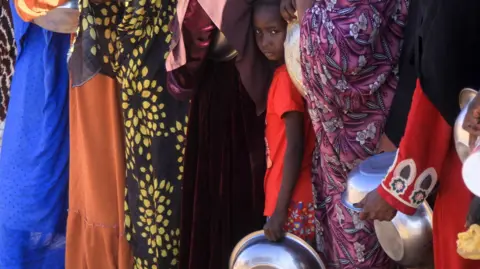
The current wars, according to Simpson, include not only the devastation in Ukraine, where civilian casualties are staggering, but also the violent escalations in Gaza and a brutal civil war in Sudan. The humanitarian toll is astronomical, with thousands dead and millions displaced.
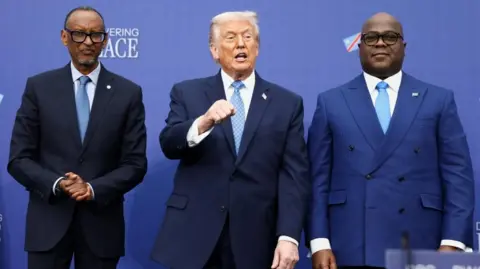
Simpson recalls a moment where President Trump claimed he was 'good at solving wars' during his visit to Israel amid the Gaza crisis. Despite a temporary ceasefire, the underlying tensions remain unresolved, with local populations still suffering from the ongoing violence.
While Simpson reflects on the past conflicts, he underscores that these present wars possess the potential to threaten global stability in ways that previous conflicts did not—as major powers pursue aggressive territorial aims and posture for influence in various regions.
As 2026 approaches, the prospect of peace remains uncertain. Simpson questions the viability of a lasting peace deal, especially amid the strategic calculations of leaders like Putin, who has signaled readiness to reclaim further territories in Ukraine.
With rising isolationism in America and shifting global dynamics, the possibilities of diplomatic or military escalation loom large, posing serious questions about the future of international alliances and global governance.