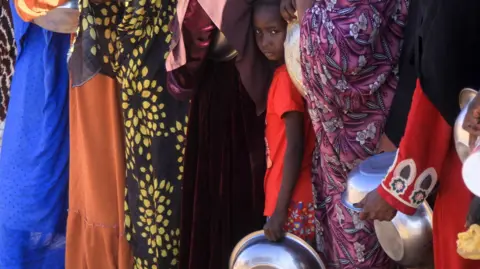
According to a recent United Nations report, over 6,000 people were killed within just three days during a violent takeover by the Rapid Support Forces (RSF) in the city of el-Fasher, Sudan. This staggering statistic was corroborated by numerous victims and witnesses who spoke to UN investigators.
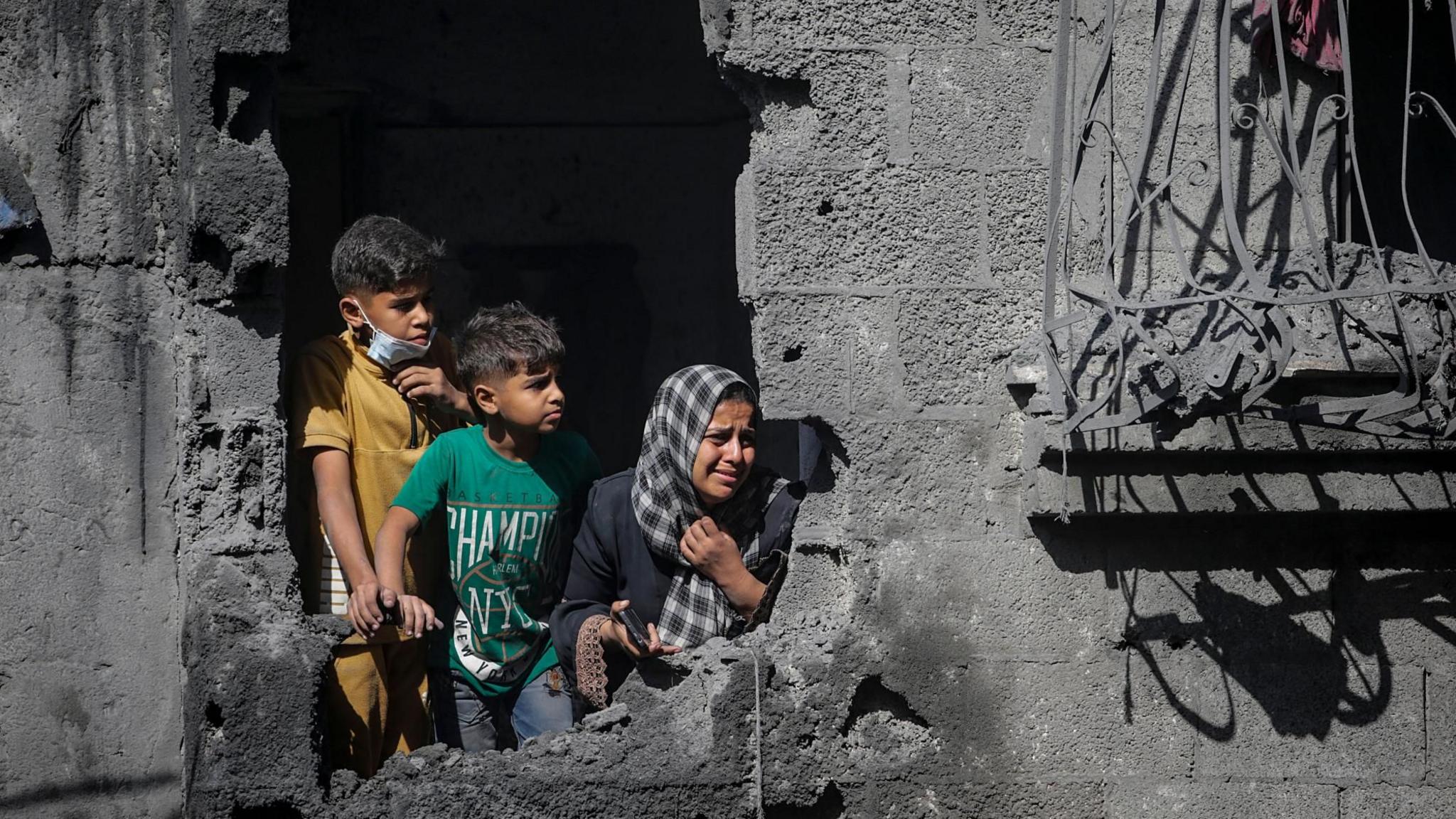
Describing the chaos and destruction, one witness recounted, It was like a scene out of a horror movie, recalling the sight of bodies being thrown into the air as RSF fighters targeted civilians seeking refuge in a university building.
The UN report cites extensive evidence of mass killings, summary executions, torture, abductions, and sexual violence against civilians, labeling these acts as potential war crimes and crimes against humanity.
While the RSF has yet to comment on the report, they have previously denied similar accusations. The broader context reveals that Sudan is entangled in a prolonged power struggle between the national army and the RSF, a conflict that has claimed hundreds of thousands of lives and displaced over 13 million people.
Sexual violence has reportedly been used systematically as a weapon of war throughout the conflict, affecting men, women, and children alike.
International observers, including the US and Human Rights Watch, suggest that the RSF and its affiliates may be committing acts of genocide, particularly against the Massalit people and other non-Arab communities in Western Darfur, although the UN has refrained from officially labeling the situation as such.
El-Fasher, a crucial city in Darfur, had endured a lengthy siege that has led to widespread reports of atrocities. The violence has not only devastated lives but has also drawn international condemnation and calls for urgent action.
As pressure mounts on the warring factions and their international backers to cease hostilities, the situation remains fluid and perilous for the civilians caught in the crossfire.