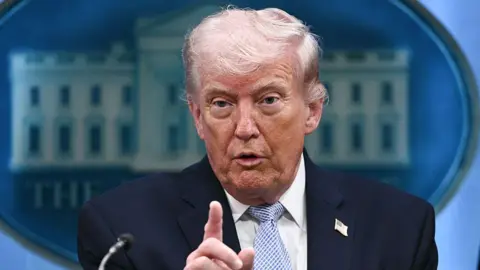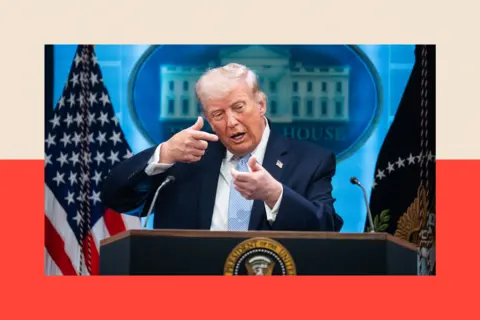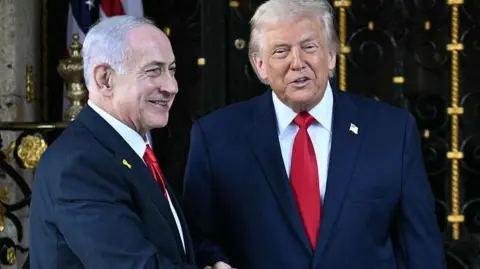
President Donald Trump will host Israeli Prime Minister Benjamin Netanyahu at the White House on Wednesday, as tensions continue to rise across the Middle East and negotiations intensify over curbing Iran's nuclear weapons programme.
Netanyahu is expected to press Trump to pursue a deal that would halt Iran's uranium enrichment, and rein in its support for proxy groups like Hamas and Hezbollah. I will present to the president our outlook regarding the principles of these negotiations, Netanyahu told reporters before leaving for the US.
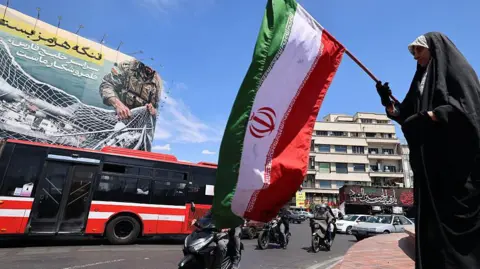
Iran has stated it will not limit uranium enrichment unless Western nations scale back sanctions that have severely strained its economy. Netanyahu's visit, which marks his sixth trip to the US since Trump's return to office, signifies a close relationship between the two leaders. Netanyahu, a close Trump ally, has long viewed Iran as an existential threat to Israel and continues to push for U.S. action to limit Tehran's influence.
Netanyahu's office indicated that negotiations should include limiting ballistic missiles and ending support for the Iranian axis. Concurrently, the US is increasing its military presence in the Middle East amid Trump's warnings to Tehran regarding a potential military response if negotiations stall.
On Tuesday, Trump mentioned he was contemplating the deployment of an additional aircraft carrier strike group to reinforce U.S. positions. The USS Abraham Lincoln, which had already been dispatched, follows heightened tensions after protests in Iran led to a violent crackdown.
Recent discussions focus on ensuring that any agreement with Iran does not compromise U.S. allies' security, with Israel reserving the right to take military measures if necessary. Experts believe that the U.S. and Israel hold a favorable position in the negotiations, given Iran's current weakened state following persistent protests and geopolitical pressures.
Despite rising tensions, former officials suggest the Trump administration might still prefer to avoid escalating military confrontations, particularly in the lead-up to election year. The visit also occurs during ongoing ceasefire discussions between Israel and Hamas, highlighting the multilayered complexities of Middle Eastern geopolitics.
Netanyahu is expected to press Trump to pursue a deal that would halt Iran's uranium enrichment, and rein in its support for proxy groups like Hamas and Hezbollah. I will present to the president our outlook regarding the principles of these negotiations, Netanyahu told reporters before leaving for the US.
Iran has stated it will not limit uranium enrichment unless Western nations scale back sanctions that have severely strained its economy. Netanyahu's visit, which marks his sixth trip to the US since Trump's return to office, signifies a close relationship between the two leaders. Netanyahu, a close Trump ally, has long viewed Iran as an existential threat to Israel and continues to push for U.S. action to limit Tehran's influence.
Netanyahu's office indicated that negotiations should include limiting ballistic missiles and ending support for the Iranian axis. Concurrently, the US is increasing its military presence in the Middle East amid Trump's warnings to Tehran regarding a potential military response if negotiations stall.
On Tuesday, Trump mentioned he was contemplating the deployment of an additional aircraft carrier strike group to reinforce U.S. positions. The USS Abraham Lincoln, which had already been dispatched, follows heightened tensions after protests in Iran led to a violent crackdown.
Recent discussions focus on ensuring that any agreement with Iran does not compromise U.S. allies' security, with Israel reserving the right to take military measures if necessary. Experts believe that the U.S. and Israel hold a favorable position in the negotiations, given Iran's current weakened state following persistent protests and geopolitical pressures.
Despite rising tensions, former officials suggest the Trump administration might still prefer to avoid escalating military confrontations, particularly in the lead-up to election year. The visit also occurs during ongoing ceasefire discussions between Israel and Hamas, highlighting the multilayered complexities of Middle Eastern geopolitics.