UK Expands Military Presence in Norway Amid Growing Russian Threats
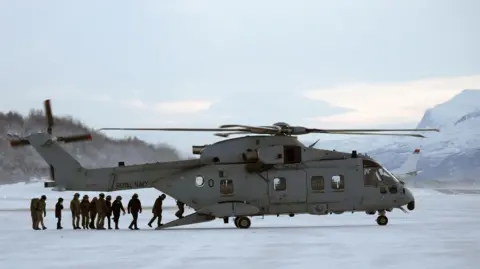
The number of British troops in Norway will double over the next three years as part of efforts to combat Russian threats in the High North.
Defence Secretary John Healey announced that the number of armed forces personnel stationed in the Arctic nation would rise from around 1,000 to 2,000. This commitment follows increasing concern among NATO allies regarding Russia's provocative activities in the Arctic, which have included the reopening of former Cold War bases and a noticeable increase in military presence in the region.
Demands on defense are rising, and Russia poses the greatest threat to Arctic and High North security that we have seen since the Cold War, Healey stated.
The Defence Secretary is set to join NATO counterparts in Brussels to discuss the proposals. The initiative, dubbed the Arctic Sentry, aims to strengthen surveillance and security in the region, modeled after existing NATO frameworks like the Baltic Sentry.
As part of this expanded military presence, approximately 1,500 Royal Marine Commandos will participate in NATO's upcoming Exercise Cold Response in March. This large-scale drill will take place across Norway, Finland, and Sweden, focusing on training allied forces under extreme Arctic conditions.
Moreover, the UK-led Joint Expeditionary Force will conduct an operation known as Lion Protector in September, which will involve air, land, and naval forces from various European nations, aimed at defending critical infrastructure in Norway, Iceland, and the Danish straits.
The UK and its NATO allies have raised alarms about increasing risks posed by Russian forces to underwater cables and pipelines, following heightened tensions stemming from the invasion of Ukraine. Reports indicate a 30% rise in Russian submarines' presence in UK waters over the last two years, reviving concerns reminiscent of Cold War activities.
In response to this, last year, the UK and Norway formalized a defense pact to safeguard undersea cables, which entails the collaboration of their naval forces to monitor Russian submarines in the region.
As we witness these developments, it is evident that the strategic landscape in the Arctic is rapidly evolving, necessitating increased vigilance and prepared defense measures among NATO allies.