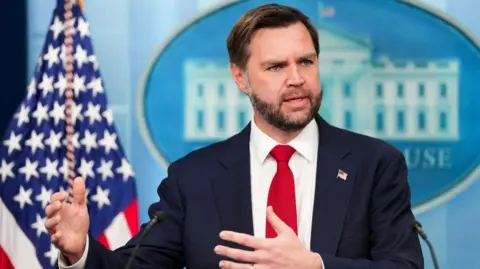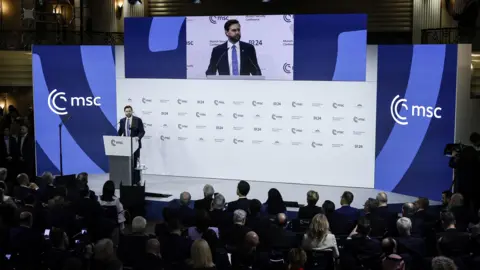
It is one year since US Vice-President JD Vance delivered a bombshell speech at the Munich Security Conference, castigating Europe for its policies on migration and free speech, and claiming the greatest threat the continent faces comes from within.
The audience were visibly stunned. Since then, the Trump White House has tipped the world order upside down.
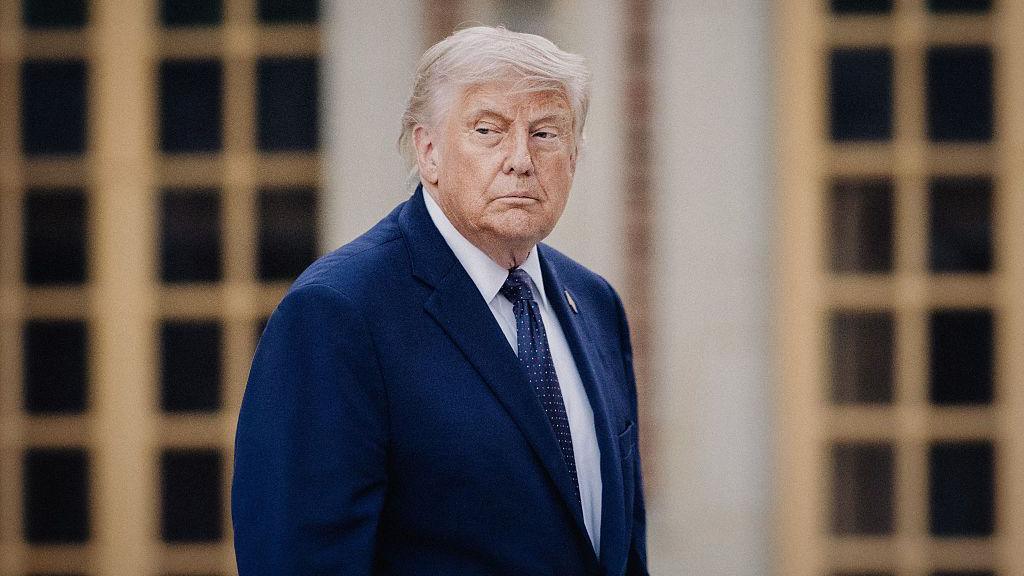
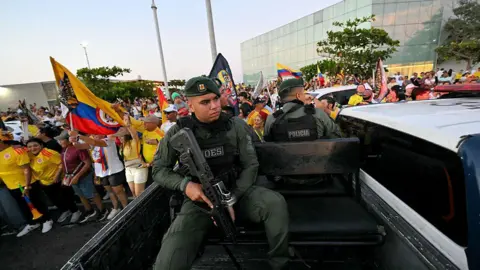
Allies and foes alike have been slapped with punitive tariffs, there was the extraordinarily brazen raid on Venezuela, Washington's uneven pursuit of peace in Ukraine on terms favourable to Moscow and a bizarre demand that Canada should become the '51st state' of the US.
This year, the conference - which begins later this week - looks set to be decisive. US Secretary of State and National Security Adviser Marco Rubio leads the US delegation, while more than 50 other world leaders have been invited. It comes as the security of Europe looks increasingly precarious.
The latest US National Security Strategy (NSS), published late last year, called on Europe to 'stand on its own feet' and take 'primary responsibility for its own defence,' adding to fears that the US is increasingly unwilling to underpin Europe's defence.
However, a significant crisis emerged over Greenland, where Trump has asserted a need for the US to 'own' the territory, which could erode transatlantic relations.
As the Munich Security Conference approaches amidst these tensions, the fundamental question arises: Are Europe-US security ties damaged beyond repair? While opinions differ, there is a unanimous acknowledgment that they are certainly altered.
Sir Alex Younger, former head of MI6, emphasizes the need for Europe to shoulder more defense responsibilities. Contrary to American frustrations, he argues that the transatlantic alliance remains beneficial.
Yet, the discourse surrounding military commitments and sovereignty underscores a burgeoning divide, particularly as Trump's National Security Strategy advocates political hostility against European governments. This upcoming conference may expose not only the fragility of these alliances but also the dire consequences of policy shifts that have fundamentally broken from the post-WW2 US strategy.
In summary, the Munich Security Conference may reveal the direction of US-European relations, forecasting potential disagreements that lay ahead for the transatlantic alliance.