Understanding the SAVE America Act: Voter ID Requirements Explained
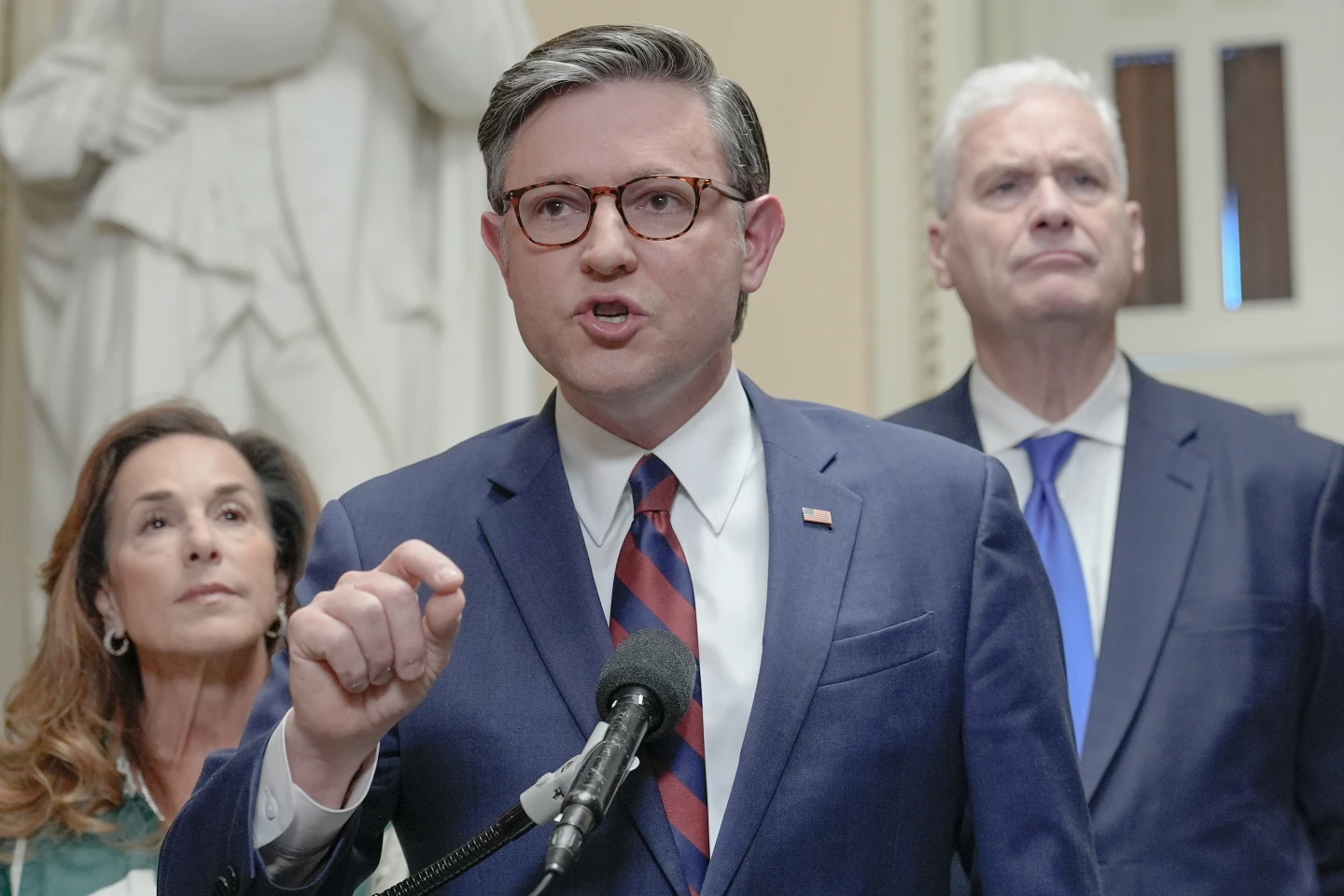
The U.S. House of Representatives this week passed legislation that would require voters to provide proof of citizenship as the midterm elections approach. The Safeguard American Voter Eligibility, or SAVE America Act, mandates individuals present a valid U.S. passport or birth certificate when registering to vote.
This proposal has raised concerns among several groups, particularly married individuals who may have changed their names and possess documents that do not match. Democrats argue that the legislation disenfranchises eligible voters, while Republicans claim it is necessary to combat voter fraud. However, it remains uncertain if the bill will gain traction in the Senate, where it currently lacks sufficient support.
What are the new requirements?
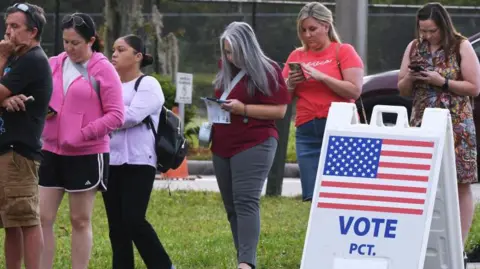
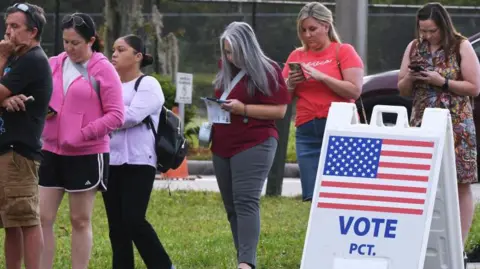
The SAVE Act requires Americans to prove citizenship and provide valid photo identification before voting. Some states already have photo ID requirements, but there is no current federal mandate for proof of citizenship. This renewed bill includes provisions for individuals whose names have changed, necessitating supplementary documentation for validation.
Data indicates that approximately 21 million Americans lack readily available proof of citizenship, and 2.6 million do not possess government-issued photo ID, raising significant concerns about the potential impact of the bill.
Interestingly, a recent Pew Research Center poll showed that 83% of respondents supported the requirement for photo identification, showcasing a broader backing across various political affiliations.
What does Trump say?
President Donald Trump has praised the SAVE America Act, pushing for its swift passage through Congress. He continues to perpetuate the claim that the 2020 election was marred by fraud and insists that such legislation is crucial to prevent similar issues in the future.
Republicans, including Congressman Bryan Steil, defend the bill, denying that it constitutes voter suppression. The upcoming Senate vote remains uncertain, as the bill's passage faces significant challenges, including a lack of necessary votes and opposition from within the party.