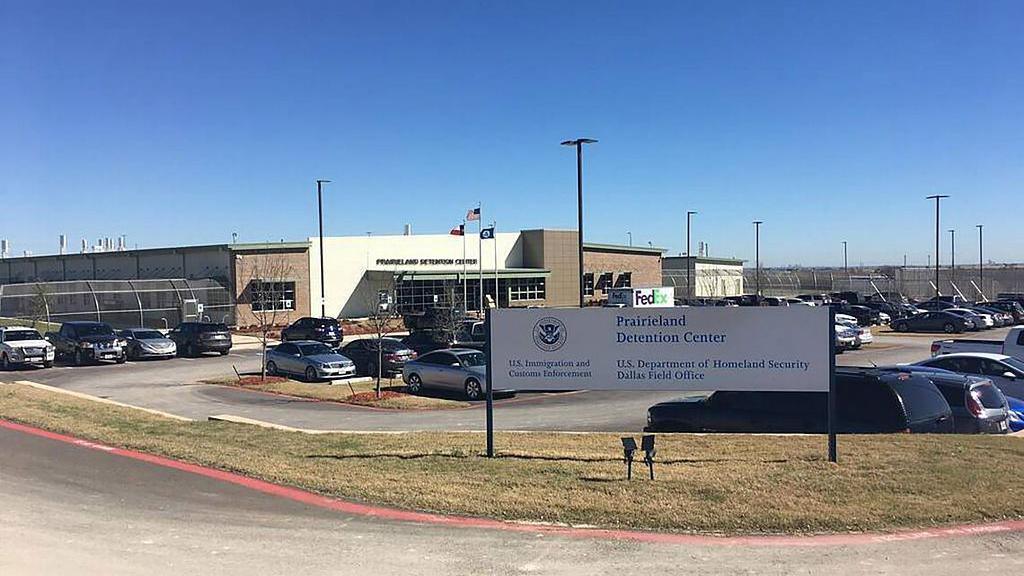
WASHINGTON (AP) — A shutdown for the Department of Homeland Security appeared certain Thursday as lawmakers in the House and Senate were set to leave Washington for a 10-day break and negotiations with the White House over Democrats’ demands for new restrictions had stalled.
The White House and Democrats have traded offers in recent days as the Democrats have said they want curbs on President Trump’s broad campaign of immigration enforcement. They have demanded better identification for U.S. Immigration and Customs Enforcement and other federal law enforcement officers, a new code of conduct for those agencies, and more use of judicial warrants.
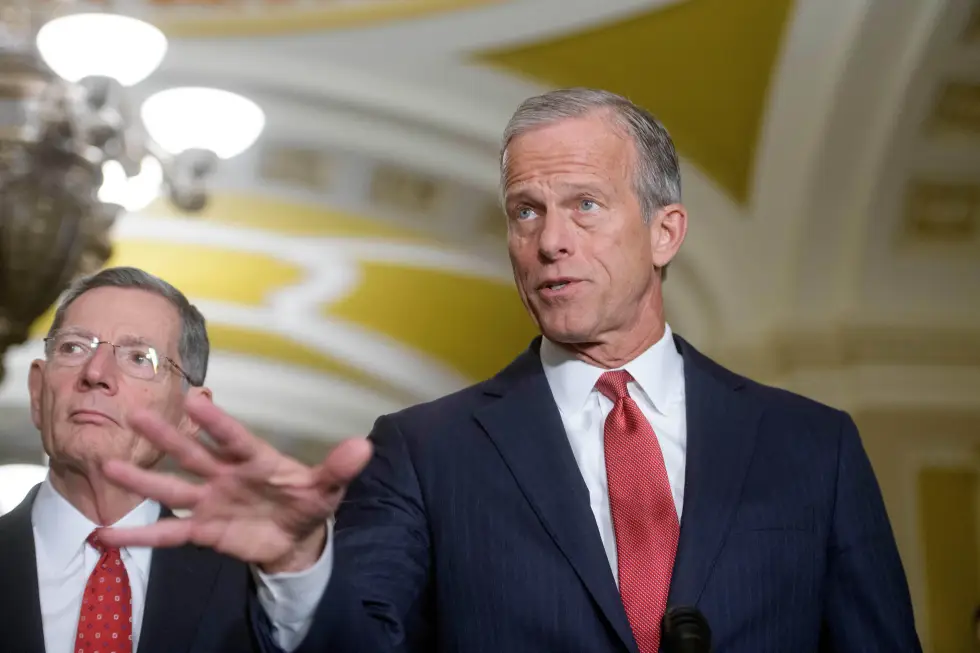
The White House sent its most recent offer late Wednesday, including what Senate Majority Leader John Thune, R-S.D., described as 'concessions' from the Republican administration.
However, Thune did not elaborate on the specifics of these concessions. He acknowledged that the two sides remain 'a long ways toward a solution' even as the Senate is scheduled to vote again on the DHS funding.
Democrats did not publicly respond to the White House offer, but they voted against a previous funding bill for the department before departing for their break, putting the funding at risk of expiring without any further action. The bill was blocked with a 52-47 vote, falling short of the 60 votes required for passage.
Lawmakers in both chambers have been put on alert to return to Washington should a deal be struck to prevent a shutdown. Nonetheless, Democrats insist they require concrete changes before endorsing funding for DHS.
Senate Democratic Leader Chuck Schumer of New York expressed that Americans seek accountability and an end to the chaos, stating, 'The White House and congressional Republicans must listen and deliver.' He noted that it was insufficient for the administration to simply announce an end to the immigration crackdown in Minnesota, which resulted in numerous arrests and the deaths of two protesters.
Democrats are calling for legislation to curb ICE operations and end violence, emphasizing that the current actions of the administration could easily change at any moment.
Judicial warrants a sticking point
The demands presented by Democrats reflect their desire for new regulations on ICE and other federal law enforcement following the tragic shooting incidents involving ICE agents. There remains a contention regarding the request for judicial warrants; Thune indicated that this issue would be challenging for Republicans and the White House to accept.
In a letter sent last week to the White House, Schumer and House Democratic Leader Hakeem Jeffries outlined their expectations for restricting DHS officer activities. This includes requiring warrants for entry into private properties, better warrant protocols, and an end to 'roving patrols' used to target individuals.
Traditionally, most immigration arrests are made with administrative warrants, which do not typically allow officers to forcibly enter private properties without consent—an authority predominantly reserved for judicially signed warrants.
However, an internal ICE memorandum retrieved from last month indicates that ICE officers are permitted to utilize force to enter residences based on administrative warrants, raising concerns about potential violations of Fourth Amendment protections.
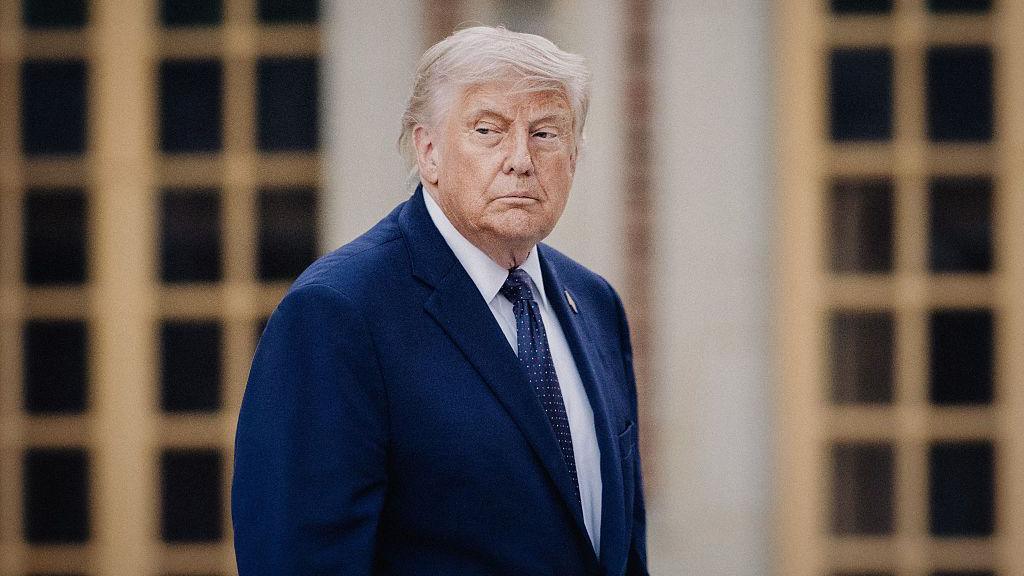
While negotiations continue concerning DHS funding, Trump has largely remained silent on the discussions. The stakes are high, as a shutdown would primarily affect agencies like the Transportation Security Administration, FEMA, and others within the DHS.
Schumer remains resolute, stating, 'We will not support an extension of the status quo.' The implications of a DHS shutdown could severely impact federal operations, with the effects becoming increasingly evident over time.