Proposal to Extend President Mnangagwa's Term Sparks Controversy in Zimbabwe
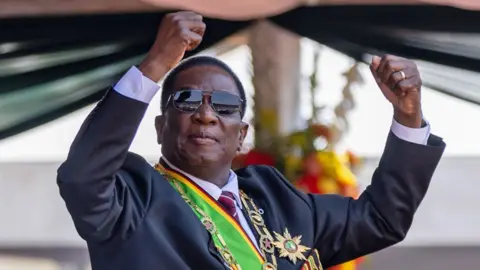
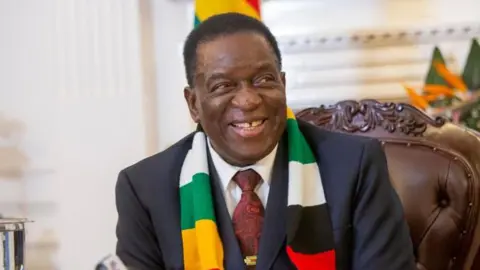
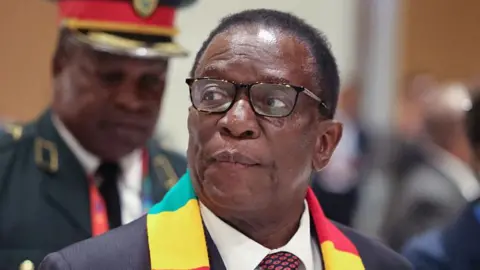
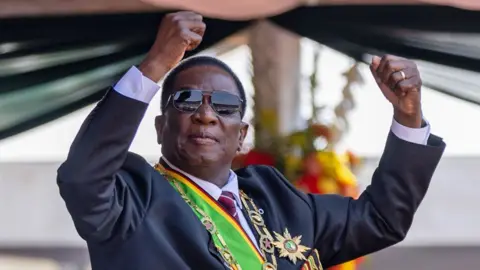
Zimbabwe's cabinet has approved draft legislation that would allow President Emmerson Mnangagwa, aged 83, to potentially extend his presidency until at least 2030.
The new plan proposes that presidents be chosen by Members of Parliament instead of through direct elections and allows for a maximum of two seven-year terms as opposed to the current five-year terms. Justice Minister Ziyambi Ziyambi stated that public consultations will occur before the bill is presented to parliament, which is currently dominated by the ruling Zanu-PF party.
However, significant legal obstacles are anticipated. Constitutional experts have indicated that a referendum would be required if term limits are altered, arguing that amendments should not benefit a sitting president.
Mnangagwa has been in power since 2017, following a military coup against his predecessor Robert Mugabe, who had ruled since Zimbabwe's independence in 1980. Although he won elections in 2018 and 2023 amid contested results, his current term is set to conclude in 2028.
Over the past two years, indications that Mnangagwa might seek to prolong his tenure have emerged, with supporters promoting slogans about him remaining in leadership until 2030 to fulfil his “Agenda 2030” development strategy. Despite these hints, Mnangagwa publicly dismissed the notion of extending his term.
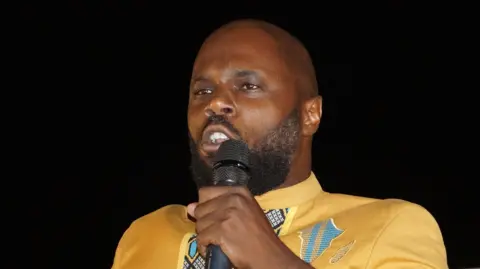
The political landscape has also been affected by the recent death of Blessing Geza, a prominent critic of Mnangagwa, who publicly criticized the president's ambitions to hold onto power with allegations of nepotism. Following his comments, Geza faced expulsion from Zanu-PF and went into hiding.
The government maintains that the proposed law aims to enhance governance and political stability ahead of the 2030 plans for Mnangagwa.