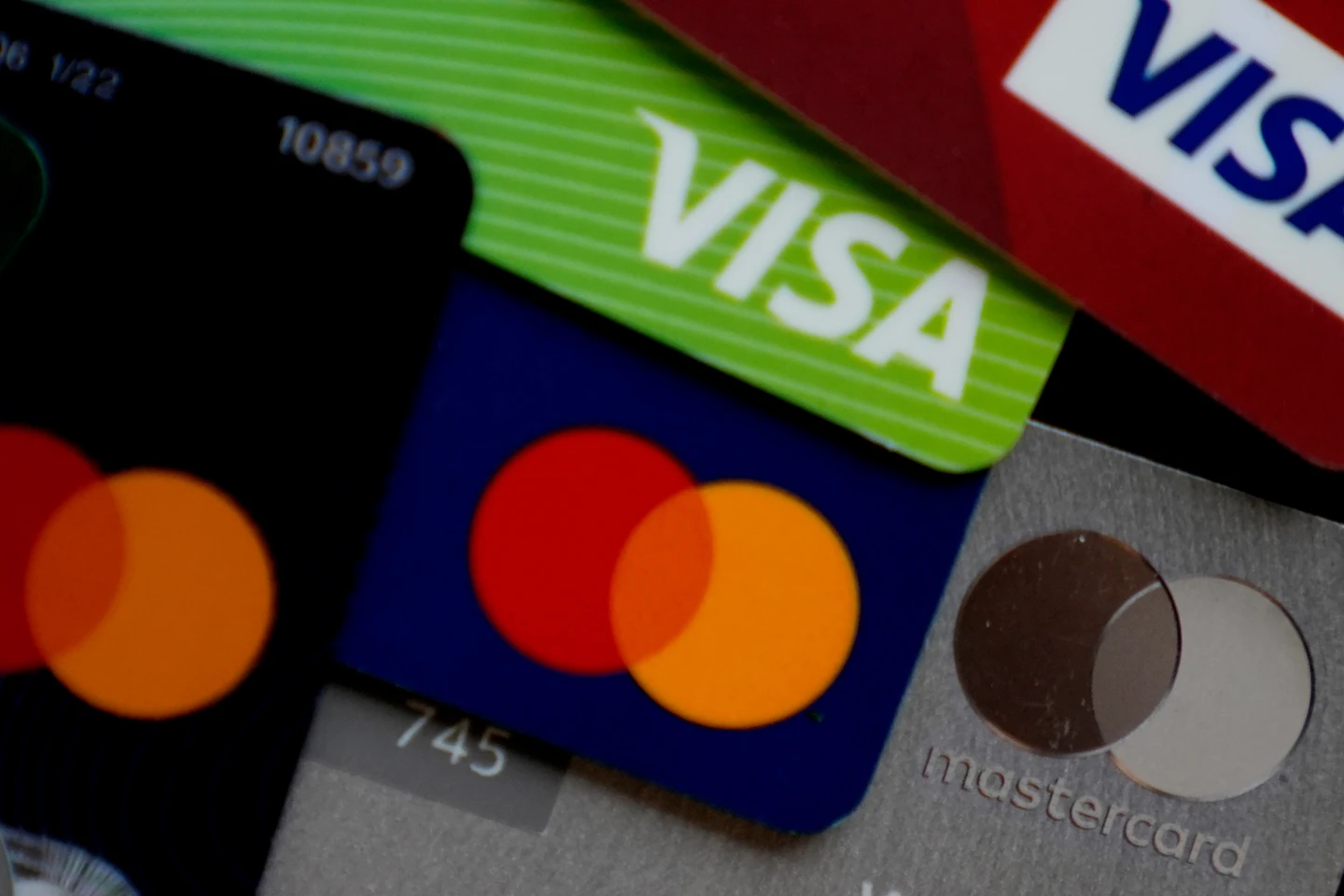
NEW YORK (RTW News) — Reigniting a campaign promise, President Donald Trump proclaimed his intention to implement a one-year 10% cap on credit card interest rates, a move experts estimate could save Americans tens of billions of dollars annually. However, this proposal was met with swift dissent from the credit card industry, a group that has traditionally supported the Republican agenda.
In a social media post, Trump emphasized the need to protect the American public from exorbitant interest rates, often ranging between 20% to 30%. It remains unclear whether the cap would be enacted through executive order or legislative action, although discussions have begun in Congress with support from some Republican senators.
Proponents estimate that such a measure could yield annual savings of around $100 billion for Americans, a scenario that, while detrimental to the profitability of credit card companies, would still allow them to remain financially viable, albeit possibly at the cost of rewards and perks currently offered to consumers.
This financial initiative arrives at a time when average credit card interest rates hover between 19.65% and 21.5%. Analysts note that while these rates have decreased recently due to the Federal Reserve lowering benchmark rates, they remain among the highest since the mid-1990s.
Nonetheless, the proposal's reception suggests a contentious battle ahead, especially given the significant contributions made by the credit card industry to Trump's campaign. The American Bankers Association issued a statement against the cap, warning that such a measure might backfire, pushing consumers toward less regulated and costlier alternatives.
Trump’s announcement is part of a broader conversation surrounding financial regulation, particularly as previous efforts by figures like Senators Bernie Sanders and Josh Hawley to impose similar limits echo the current political climate aimed at curbing corporate interests in finance regulation.
As discussions progress, the impact on American families and the credit card industry's response will be closely watched.
In a social media post, Trump emphasized the need to protect the American public from exorbitant interest rates, often ranging between 20% to 30%. It remains unclear whether the cap would be enacted through executive order or legislative action, although discussions have begun in Congress with support from some Republican senators.
Proponents estimate that such a measure could yield annual savings of around $100 billion for Americans, a scenario that, while detrimental to the profitability of credit card companies, would still allow them to remain financially viable, albeit possibly at the cost of rewards and perks currently offered to consumers.
This financial initiative arrives at a time when average credit card interest rates hover between 19.65% and 21.5%. Analysts note that while these rates have decreased recently due to the Federal Reserve lowering benchmark rates, they remain among the highest since the mid-1990s.
Nonetheless, the proposal's reception suggests a contentious battle ahead, especially given the significant contributions made by the credit card industry to Trump's campaign. The American Bankers Association issued a statement against the cap, warning that such a measure might backfire, pushing consumers toward less regulated and costlier alternatives.
Trump’s announcement is part of a broader conversation surrounding financial regulation, particularly as previous efforts by figures like Senators Bernie Sanders and Josh Hawley to impose similar limits echo the current political climate aimed at curbing corporate interests in finance regulation.
As discussions progress, the impact on American families and the credit card industry's response will be closely watched.