In brief
The U.S. State Department has mandated that several public libraries nationwide cease processing passport applications, interrupting a valuable community service. This order affects nearly 1,400 libraries, especially nonprofit ones, which have provided passport assistance for years. Lawmakers are now calling for an extension of the existing program to prevent disrupting access for families and individuals as demand for passports surges.
NORWICH, Conn. (RTW News) — In a startling move, the U.S. State Department has ordered certain public libraries across the country to stop processing passport applications, impacting communities that have relied on these services for years. The directive was issued to non-profit libraries, marking a significant shift in the Passport Acceptance Facility program.
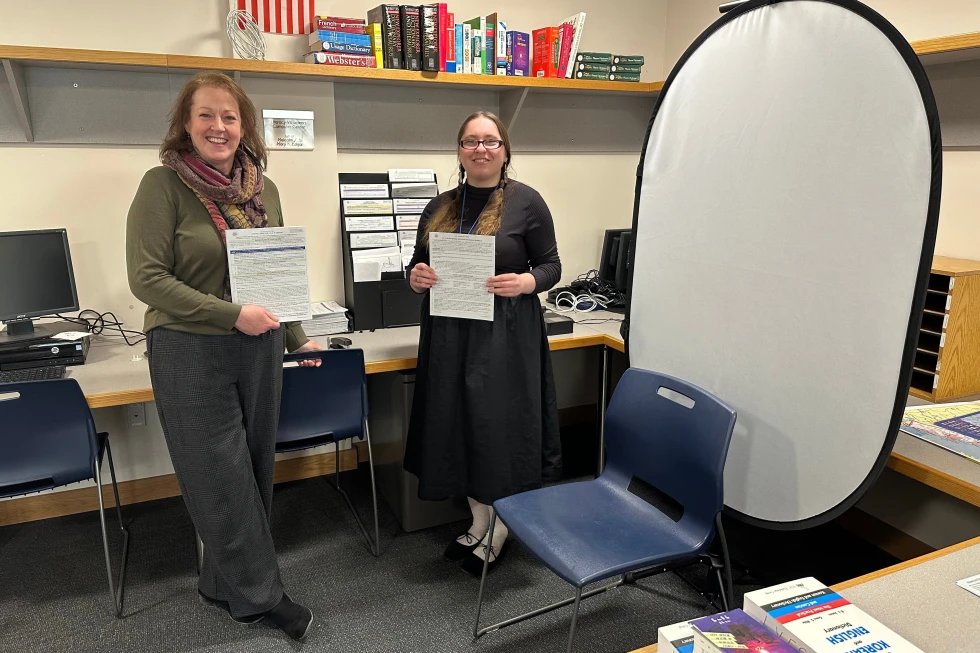
The State Department's cease and desist orders commenced late last fall, with impacted libraries told they would no longer be authorized to handle passport services starting from Friday. Cathleen Special, executive director of Norwich's Otis Library, expressed concern, stating, “We still get calls daily seeking that service. Our community was so used to us offering this.” For 18 years, passport services were smoothly managed at the library, but the order has halted that support as of November.
A spokesperson for the State Department explained that the rationale behind the order is rooted in federal law, which prohibits non-governmental organizations from collecting and retaining passport application fees. Public libraries operated by government entities are not affected by this latest policy change.
As the State Department navigated this transition, questions emerged not only over the timing of the enforcement but also about the specific number of libraries impacted. They indicated that the affected libraries constitute less than one percent of the nationwide acceptance facilities, which number over 7,500.
An assessment from the American Library Association reveals that roughly 1,400 public libraries, primarily non-profit entities, could be significantly affected, translating to about 15% of all public libraries in the country. Some states, such as Pennsylvania, depict an even higher concentration of non-profit libraries.
In response to the federal order, members of Congress from states like Connecticut, Pennsylvania, New York, New Jersey, and Maryland are pushing back. They have penned a letter to Secretary of State Marco Rubio advocating for the extension of the current program until a permanent resolution can be established. They argue that libraries are some of the most accessible passport acceptance facilities, particularly in rural areas and for working families.
The lawmakers noted that the rising demand for passports—and the new Real ID requirements—make libraries invaluable for supporting citizens who might otherwise have to travel long distances or take unpaid time off to obtain these documents.
Additionally, Legislators are concerned that this change may force some libraries to cut staff or programs or even shut down, especially those that have financially depended on passport processing fees.
Bipartisan efforts are underway, exemplified by Reps. Madeleine Dean and John Joyce, who introduced legislation aimed at permitting public libraries classified as 501(c)(3) non-profits to maintain their roles as passport acceptance facilities. A similar bill is currently in progress in the Senate. Dean described the federal directive as 'nonsense,' particularly highlighting its adverse effects on local services offered through libraries.
Furthermore, the State Department has stated they are prepared to identify alternate eligible facilities if the removal of ineligible libraries disrupts service, but many predict that community needs will not be easily met given the limited capacity of existing options like post offices.
As the conversation continues, many are left grappling with the implications for accessibility and the role of local resources in supporting community needs amidst changing federal directives.