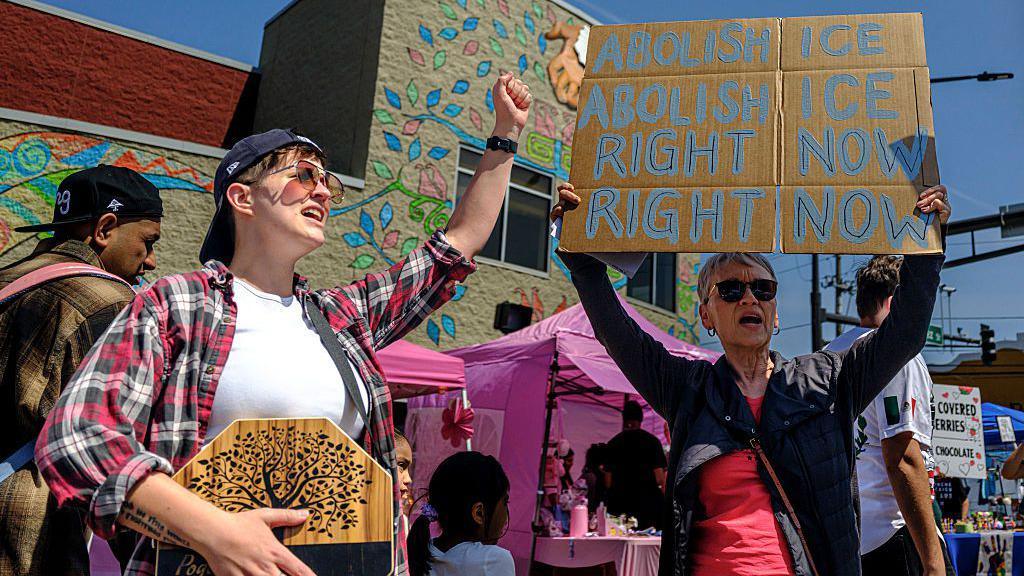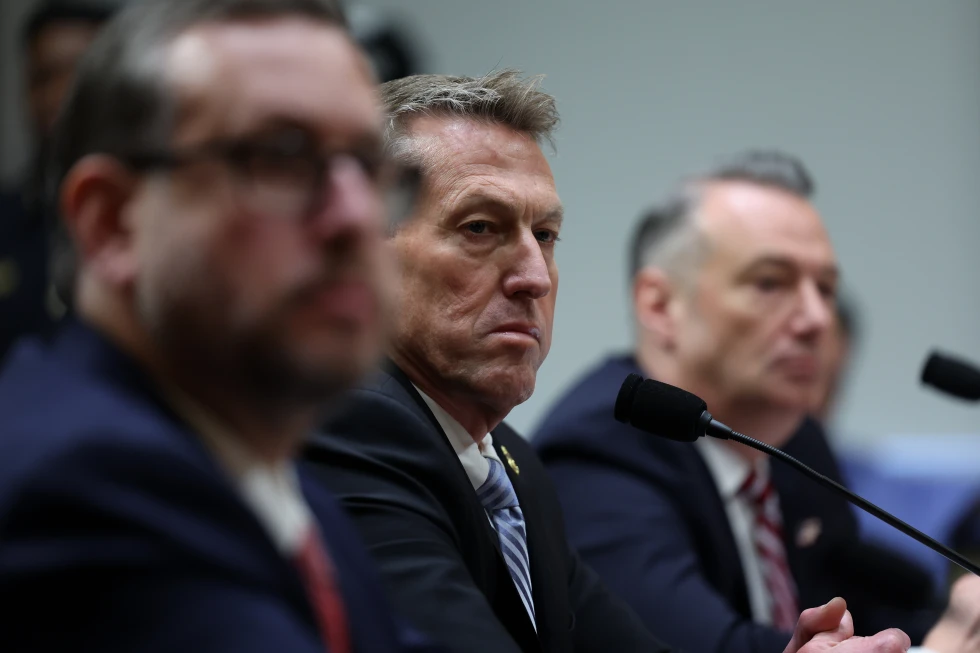
WASHINGTON (AP) — During a tense Senate hearing on Thursday, Senator Rand Paul confronted immigration officials about their tactics following the shooting death of activist Alex Pretti. This confrontation aimed to scrutinize the mass deportation efforts tied to President Donald Trump’s administration. The hearing comes on the heels of two protesters being killed by federal officers in Minneapolis, igniting national outrage and demands for accountability in the use of force by Immigration and Customs Enforcement (ICE) and Customs and Border Protection (CBP).
Senator Paul paused a video depicting Pretti's shooting to express his dissent over the perceived threat he posed to officers, stating, “He is retreating at every moment,” as federal officers utilized pepper spray on him. Paul argued that such excessive measures have eroded public trust in immigration enforcement agencies, expressing that to restore faith, ICE and Border Patrol must acknowledge their faults, improve transparency, and commit to reform.
The Senate hearing featured witnesses including Todd Lyons, acting director of ICE, and Rodney Scott, head of CBP, both of whom previously defended their agency's conduct amidst accusations of excessive force. Despite Senator Paul's dissent, other Republicans largely avoided criticizing the conduct, focusing instead on perceived threats faced by enforcement officers.
Democrats joined Paul in denouncing the incident, demanding accountability and revisiting the methodologies employed by immigration enforcement in the field. The discussion also touched on ICE's use of administrative warrants—documents that arguably undermine constitutional protection against unlawful searches and trespass. While Lyons defended this practice, Senator Richard Blumenthal raised concerns about its legality and effectiveness.
The recent tragedies involving Pretti and another citizen protesting immigration policies have triggered broader discussions on reforming operational practices within ICE and CBP, urging significant changes in how those agencies engage with the communities they serve.
Senator Paul paused a video depicting Pretti's shooting to express his dissent over the perceived threat he posed to officers, stating, “He is retreating at every moment,” as federal officers utilized pepper spray on him. Paul argued that such excessive measures have eroded public trust in immigration enforcement agencies, expressing that to restore faith, ICE and Border Patrol must acknowledge their faults, improve transparency, and commit to reform.
The Senate hearing featured witnesses including Todd Lyons, acting director of ICE, and Rodney Scott, head of CBP, both of whom previously defended their agency's conduct amidst accusations of excessive force. Despite Senator Paul's dissent, other Republicans largely avoided criticizing the conduct, focusing instead on perceived threats faced by enforcement officers.
Democrats joined Paul in denouncing the incident, demanding accountability and revisiting the methodologies employed by immigration enforcement in the field. The discussion also touched on ICE's use of administrative warrants—documents that arguably undermine constitutional protection against unlawful searches and trespass. While Lyons defended this practice, Senator Richard Blumenthal raised concerns about its legality and effectiveness.
The recent tragedies involving Pretti and another citizen protesting immigration policies have triggered broader discussions on reforming operational practices within ICE and CBP, urging significant changes in how those agencies engage with the communities they serve.