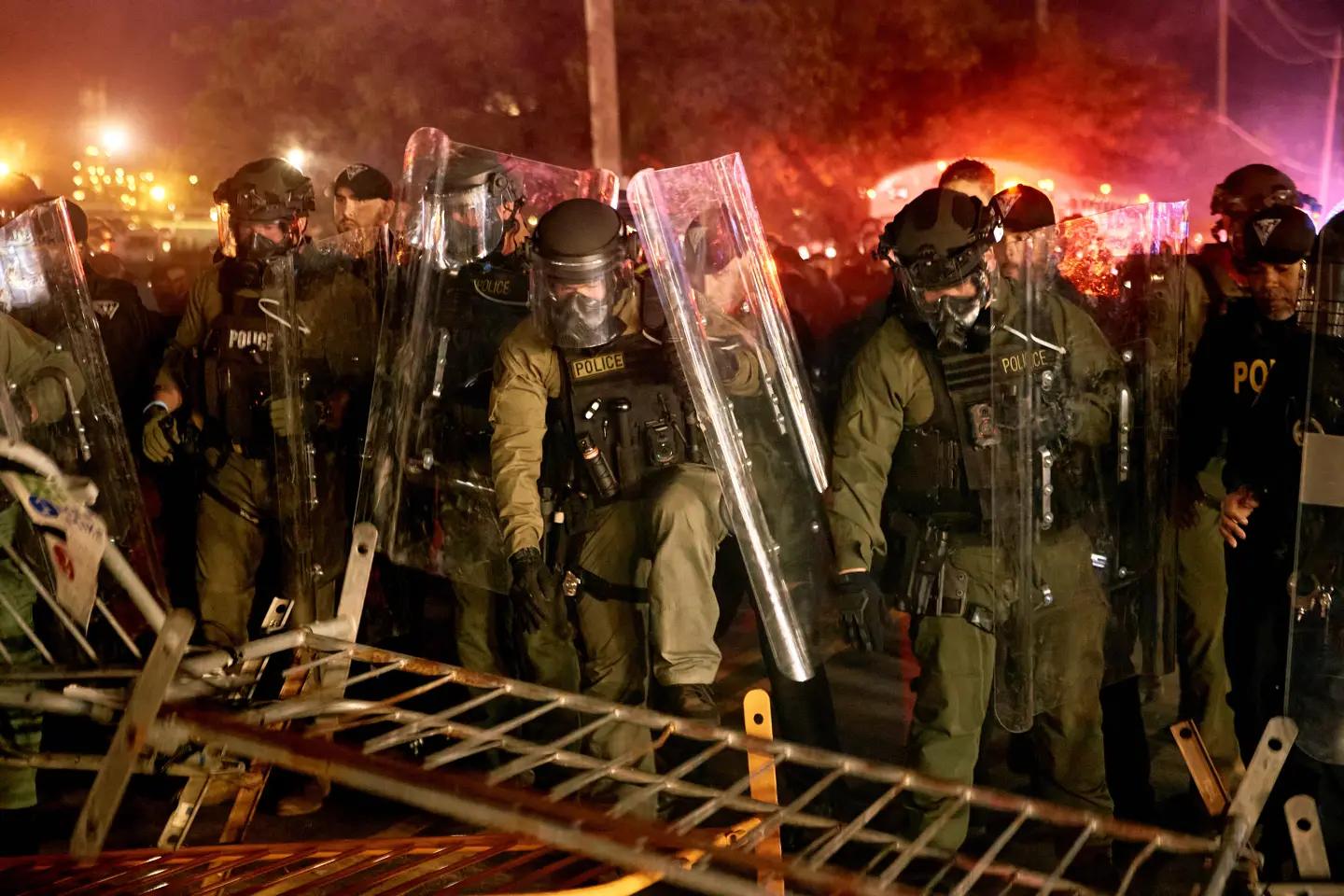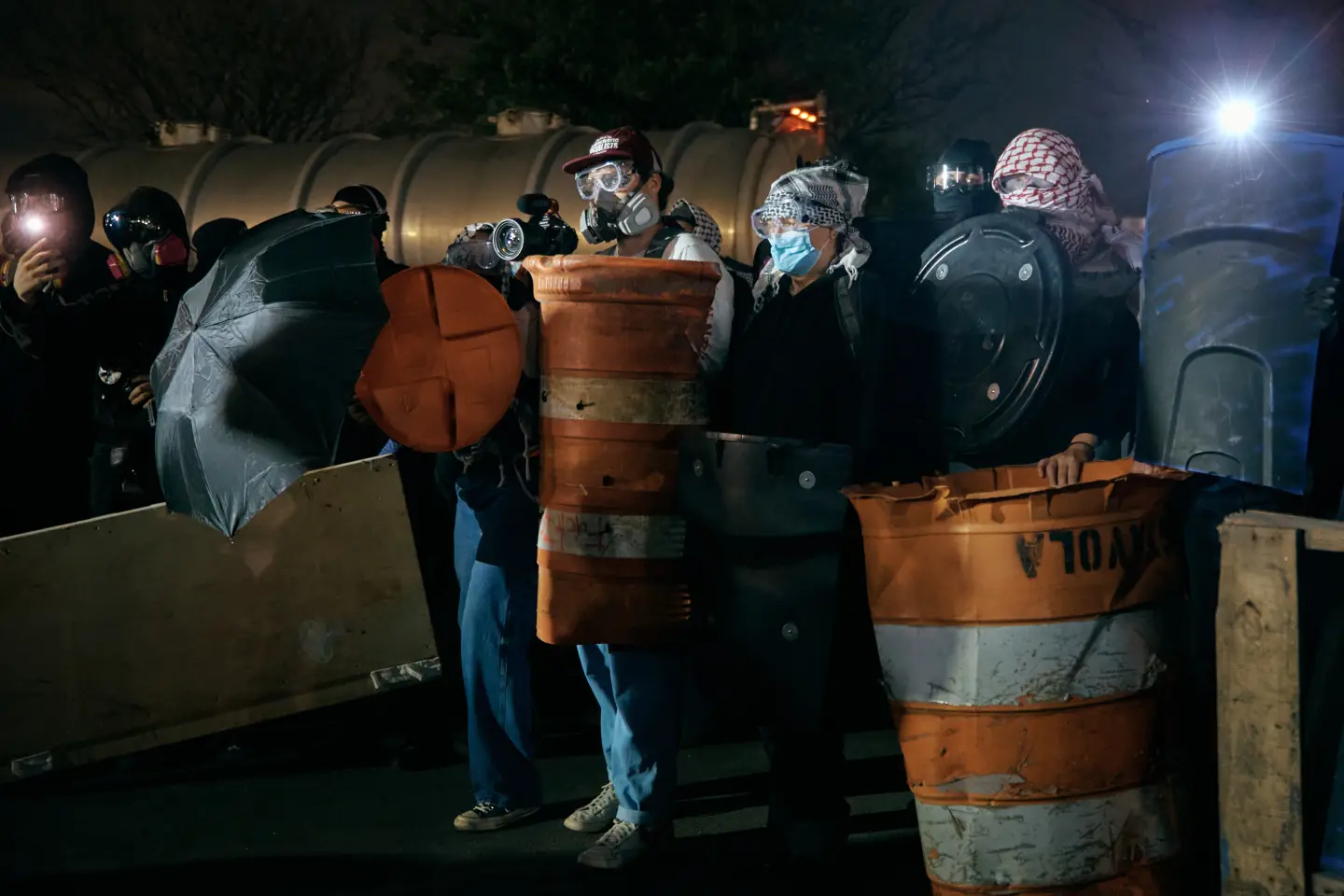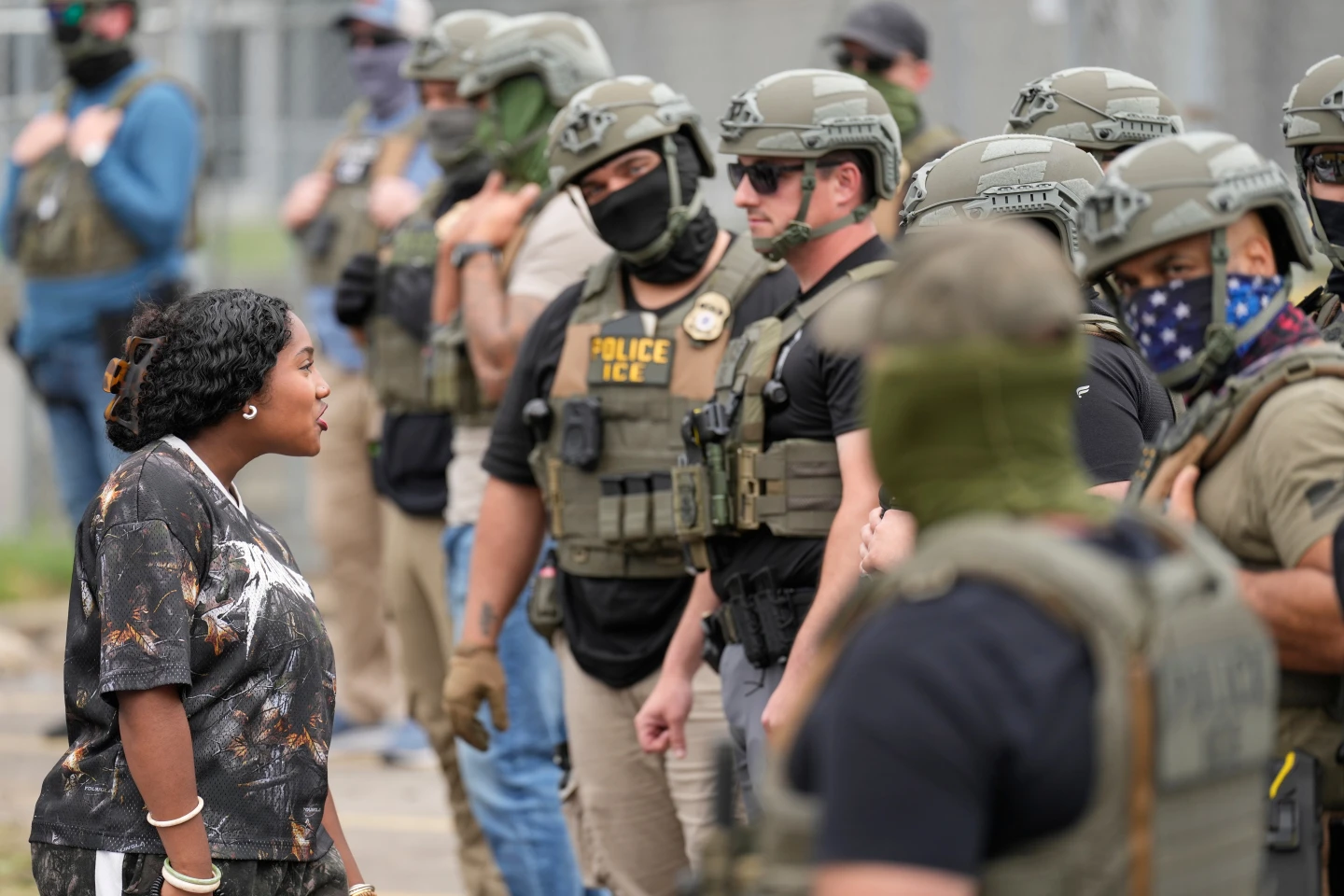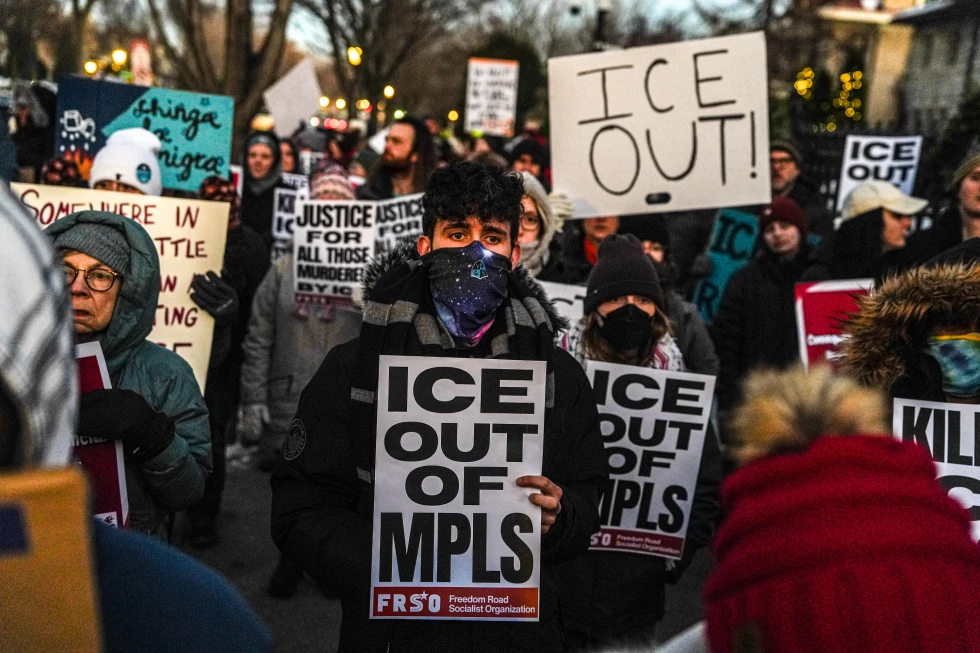
The Trump administration has officially concluded Operation Metro Surge, a sweeping immigration crackdown in Minnesota that spanned two and a half months and sparked widespread protests.
During this operation, approximately 4,000 arrests were made, but it was overshadowed by the tragic shooting deaths of two U.S. citizens, Renee Good and Alex Pretti, by federal immigration officers.
The crackdown began on December 1, following President Trump’s critical rhetoric against Minnesota's Somali community, which he claimed was undermining the state. Operation Metro Surge was focused on the Minneapolis-St. Paul area, home to the largest Somali community in the United States. This prompted a response from state leaders, including Minnesota Governor Tim Walz, who condemned Trump's comments as slanderous.
Initial arrests were reported shortly after the operation began, drawing the ire of community leaders and citizens alike. The situation escalated on December 9 when federal agents used pepper spray on protesters attempting to block their vehicles during identification checks in predominantly Somali neighborhoods. Protests continued to escalate, with activists organizing to warn communities of immigration agents' movements and to support impacted individuals.
The operation was marred by incidents of violence, including the shooting of Renee Good on January 7, which was witnessed by many and recorded on video, leading to national outrage. ICE defended the incident as self-defense, but many, including local officials and residents, disputed this narrative based on the video evidence available.
Tragically, just weeks later, Alex Pretti was shot and killed by a U.S. Border Patrol officer in Minneapolis while he was intervening in a confrontation with an immigration agent. This event further heightening tensions and prompting protests.
Despite the myriad issues surrounding the crackdown, the announcement of its end was perceived as a direct response to the increasing public outcry for justice and accountability for the violence incurred during Operation Metro Surge.
The operation's conclusion does not erase the scars left within the community and is expected to leave lasting implications for immigration policy and community relations in Minnesota.