When clocks struck nine across Tehran on Tuesday, the night skies filled with sound in celebration of the 47th year of the Iranian revolution. We listened from our hotel balcony as chants of God is greatest rose from rooftops and roared from windows. Fireworks flared in a kaleidoscope of brilliant colors.
But this year, in this annual explosion of light and sound, there was a discordant note. We heard death to the dictator shouted too from somewhere in the darkness of the city, from the safety of spaces indoors. It was a dramatic echo of the extraordinary wave of protests, which swept some streets and squares of Tehran, and towns and cities across this country last month. They were met with unprecedented lethal force and a huge loss of life unseen in previous uprisings.
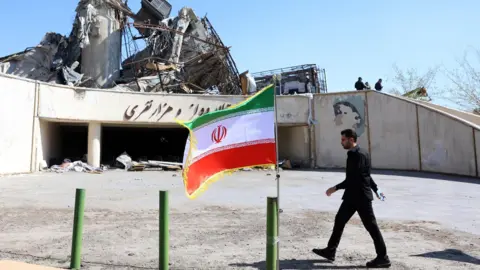
This is our first trip to Iran since the protests, as the authorities slowly lift their near total internet blackout, described as one of the longest digital shutdowns in history, and gradually allow a small number of international media to return. The mood in the capital is in stark contrast to our visit last June, at the end of the 12-day war with Israel, which also drew in America's attacks on Iran's nuclear sites.
Now, this sprawling metropolis set against the stunning, snowy Mount Damavand is decked out in flags and bunting to mark what's known as the ten days of dawn. In 1979, this period ushered in an historic revolution that ousted the shah, totally transformed Iran, and created a radical axis of resistance among its allies across the region that has long been condemned and confronted by its enemies. This year, however, the days are overshadowed by discontent over soaring prices of everyday goods and calls sounded on streets last month for an end to clerical rule.
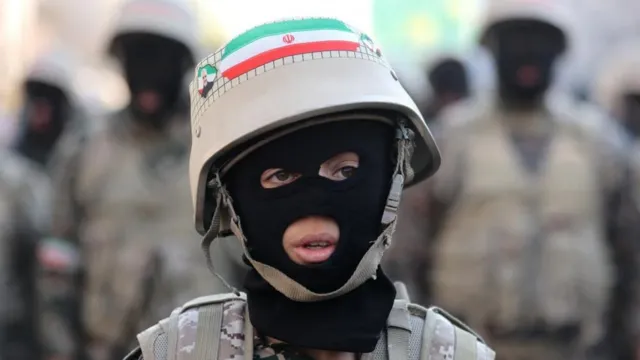
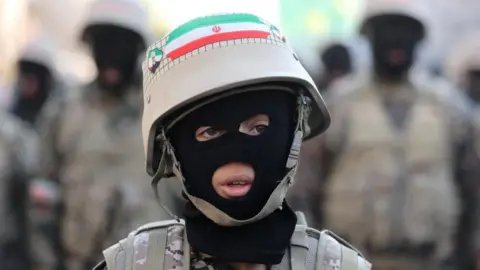
These internal pressures, compounded by US President Donald Trump's warning of more military strikes if diplomacy fails, now present an unparalleled challenge to Iran's ageing theocracy. On Wednesday, despite the challenges, the streets of the capital and other major cities were flooded with the government's most loyal foot soldiers - a political reply to the protests, creating a festival air in the warm winter sun.
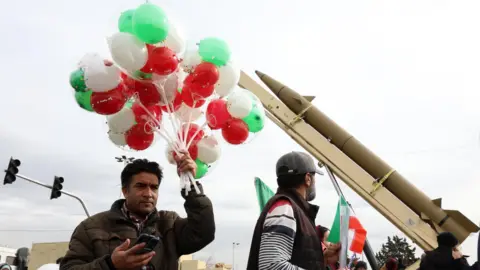
Families marched, waiving Iranian flags and carrying photographs of Supreme Leader Ayatollah Ali Khamenei, chanting their signature slogans of death to America and death to Israel. Yet, amid the planned celebrations, voices of dissent emerged, highlighting the deepening divide and unresolved issues confronting Iranian society today.
But this year, in this annual explosion of light and sound, there was a discordant note. We heard death to the dictator shouted too from somewhere in the darkness of the city, from the safety of spaces indoors. It was a dramatic echo of the extraordinary wave of protests, which swept some streets and squares of Tehran, and towns and cities across this country last month. They were met with unprecedented lethal force and a huge loss of life unseen in previous uprisings.
This is our first trip to Iran since the protests, as the authorities slowly lift their near total internet blackout, described as one of the longest digital shutdowns in history, and gradually allow a small number of international media to return. The mood in the capital is in stark contrast to our visit last June, at the end of the 12-day war with Israel, which also drew in America's attacks on Iran's nuclear sites.
Now, this sprawling metropolis set against the stunning, snowy Mount Damavand is decked out in flags and bunting to mark what's known as the ten days of dawn. In 1979, this period ushered in an historic revolution that ousted the shah, totally transformed Iran, and created a radical axis of resistance among its allies across the region that has long been condemned and confronted by its enemies. This year, however, the days are overshadowed by discontent over soaring prices of everyday goods and calls sounded on streets last month for an end to clerical rule.
These internal pressures, compounded by US President Donald Trump's warning of more military strikes if diplomacy fails, now present an unparalleled challenge to Iran's ageing theocracy. On Wednesday, despite the challenges, the streets of the capital and other major cities were flooded with the government's most loyal foot soldiers - a political reply to the protests, creating a festival air in the warm winter sun.
Families marched, waiving Iranian flags and carrying photographs of Supreme Leader Ayatollah Ali Khamenei, chanting their signature slogans of death to America and death to Israel. Yet, amid the planned celebrations, voices of dissent emerged, highlighting the deepening divide and unresolved issues confronting Iranian society today.