Congress Faces Standoff Over Immigration Enforcement Reforms
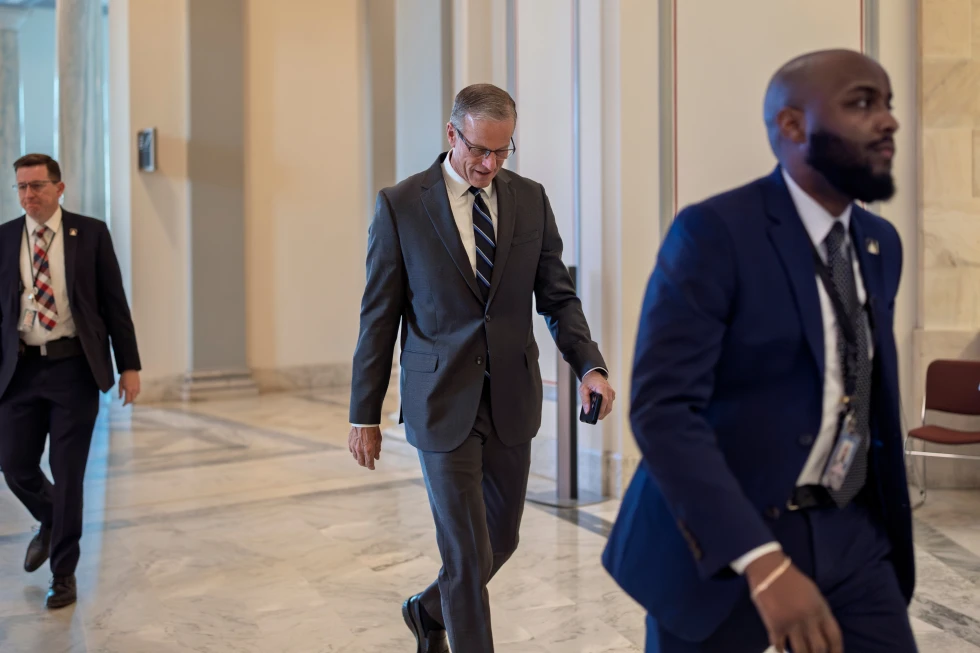
WASHINGTON — Senate Majority Leader John Thune expressed strong reservations on Thursday regarding the Democrats' demands for new restrictions on immigration enforcement, labeling them as unrealistic. He cautioned that unless both parties collaborate, the Department of Homeland Security (DHS) could face an imminent shutdown as funding is set to expire next week.
Democratic leaders, including Sen. Chuck Schumer and Rep. Hakeem Jeffries, have announced their refusal to support a DHS spending bill without significant changes to the U.S. Immigration and Customs Enforcement (ICE) policies, particularly following recent fatal incidents involving agency operations.
On Wednesday, Democrats presented an extensive list of ten reform proposals intended to rein in ICE's practices under the Trump administration. These proposals include the requirement for judicial warrants for arrests, clearer identification for DHS officers, and restrictions on the use of force.
This isn't a blank check where Republicans can just agree to this list of Democrat demands, Thune remarked, emphasizing that substantive negotiation is essential for any reforms to take place.
In response to criticisms from the GOP, Schumer highlighted the importance of these reforms for public safety and demanded transparency from Republicans on their opposition to the proposals.
As negotiations unfold, the timeline for reaching an agreement appears tight. Thune conveyed that the current status indicates little progress towards breaking the deadlock. Without a resolution, the implications of a DHS shutdown could mirror past government closures, potentially disrupting services across various sectors.
Furthermore, Democrats are advocating for a series of additional reforms aimed at curtailing aggressive enforcement tactics, including ending racial profiling and improving standards around personal identification for immigration officers.
Despite the Democrats’ push for an overhaul, Republican lawmakers have reacted with skepticism, asserting that the proposals reflect extreme objectives that do not align with the concerns of the American populace. The now rough terrain of negotiations illustrates the growing divide regarding immigration policies and their enforcement in the United States.