Perspectives on US Intervention: Iranians Speak Out Amidst Protests and Turmoil
As protests erupt across Iran in response to economic strife and government oppression, voices from both inside and outside the country reflect varying opinions on whether the US should intervene militarily. With reports of violence rising, Iranians share their hopes and fears regarding foreign intervention and its implications.
For Mojdeh and her husband, the question of US intervention in Iran is personal. In early January, they traveled home to Tehran from Washington, DC, expecting a routine visit. Instead, they found themselves trapped amid escalating protests, flights cancelled and the city turned unpredictable. Life was on pause, said Mojdeh, recalling the nights when communication networks were shut down.
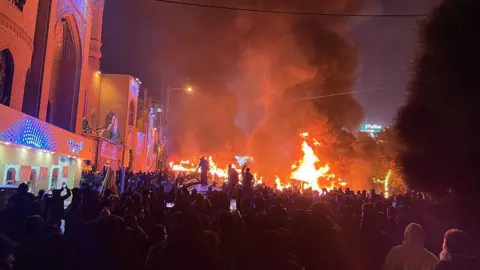
Their participation in protests was unplanned, yet the urgency of the situation compelled them to act on the nights of January 7 and 8 as the city erupted into unrest. Protests fueled by economic despair quickly transformed into calls for regime change.
The reality of the situation remains grim. Reports vary on the death toll due to the internet blackout and limited independent verification; Human Rights Activists News Agency reports over 6,000 deaths, while Iranian authorities claim around 3,117 people have perished, suggesting most of these were security personnel.
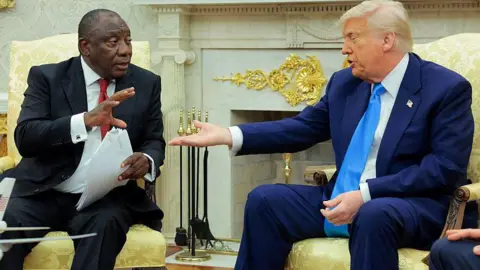
US President Donald Trump has signaled support for Iranian protesters, yet expectations remain low for constructive dialogue post-discussions with Iranian officials.
As they reflect on their experiences, Mojdeh's husband expressed that among their friends and family in Iran, US military involvement was seen not as an aggression, but as a potential lifeline. They both grapple with the idea that any intervention could complicate the desires for dignity and freedom among the protesters.
The conversation continues, with Iranians both at home and in the diaspora divided on the question of US intervention. While Shirin, an Iranian-American in California, advocates for intervention to prevent further violence, others like Roozbeh Farahanipour believe that regime change must come from within to avoid worsening the plight of loved ones still in Iran.
In stark contrast, some express desperation for US military action as a last resort, fearing that inaction may lead to further loss of life and hope. Activist Hemad Nazari, now in Denmark, underscores that many feel intervention is no longer an option but a necessity following the violence they've faced.
Even as protests quiet down, the repression continues. Reports of mass arrests and ongoing human rights violations dominate the landscape, with international organizations noting the challenges of verifying facts amidst a climate of misinformation and fear.
The divided sentiments encapsulate the complex feelings surrounding the idea of foreign intervention — balancing the hopes for freedom against the potential costs of such actions. For many, it’s not just a political issue; it's personal, affecting nearly 90 million lives in Iran.