WASHINGTON (RTW) — In a bold move to roll back environmental regulations, the Trump administration has revoked a crucial scientific finding established in 2009, which classified greenhouse gases like carbon dioxide as a serious threat to public health and safety. This decision marks one of the most aggressive steps taken by President Trump to dismantle climate-related policies.
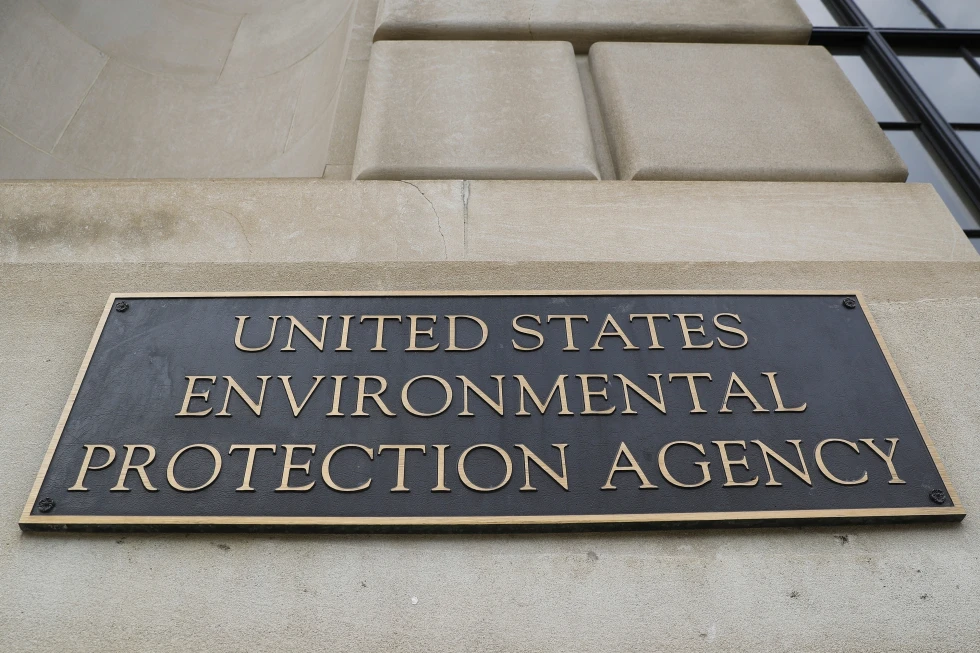
The Environmental Protection Agency (EPA) finalized the rule that rescinds the endangerment finding, which has served as the legal backbone for a wide range of climate regulations under the Clean Air Act. These regulations previously targeted emissions from motor vehicles, power plants, and other sources.
Experts predict that the move will provoke extensive legal battles as it dismantles existing emissions standards for cars and trucks and could lead to a more extensive rollback of climate regulations affecting industrial pollution.
Ann Carlson, an environmental law professor at UCLA, indicated that this action introduces complications beyond previous efforts to deregulate, stating it could “raise more havoc” than other environmental rollbacks made during this administration.
EPA Administrator Lee Zeldin, appointed by Trump, heralded the repeal as potentially the largest deregulatory action in U.S. history, prioritizing a business-oriented approach over stringent climate measures.
Environmental advocates have condemned the decision as potentially the most aggressive assault on federal authority to combat climate change to date. Gina McCarthy, a former EPA administrator, described it as reckless, underscoring the need for the EPA to focus on public health rather than catering to fossil fuel interests.
In conjunction with the repeal, the Trump administration announced a proposal to delay for two years a Biden-era regulation that aimed to restrict greenhouse gas emissions from vehicles, supporting claims of a need to re-evaluate the current environmental standards.
Withdrawing the endangerment finding is seen as a critical move that could invalidate numerous future climate regulations, which many believe is not only detrimental to the environment but also poses significant health risks for vulnerable populations, including children and the elderly.
This decision follows a broader executive order from Trump aimed at reviewing the legality and relevance of the endangerment finding. The administration’s stance aligns with a long-standing effort by conservatives and some Republican members of Congress to dismantle regulations they perceive as economically damaging.
Zeldin’s initiative to weaken vehicle emissions standards, through proposals relaxing requirements under the pretext of supporting consumer choice, has also raised concerns with environmental organizations, which argue it will prolong the life of gas-powered vehicles on U.S. roads, exacerbating health and environmental challenges.
Overall, the implications of this regulatory rollback extend far beyond the automotive sector, threatening established standards meant to mitigate the accelerating effects of climate change.