ATLANTA (AP) — A dynamic effort among anti-tax crusaders is underway in several states, aiming to completely abolish property taxes on homeowners. With property values rising significantly, many homeowners are witnessing escalating tax bills that they find increasingly difficult to manage. Lawmakers are now grappling with the implications of such a drastic policy change, which could cost billions in tax revenue.
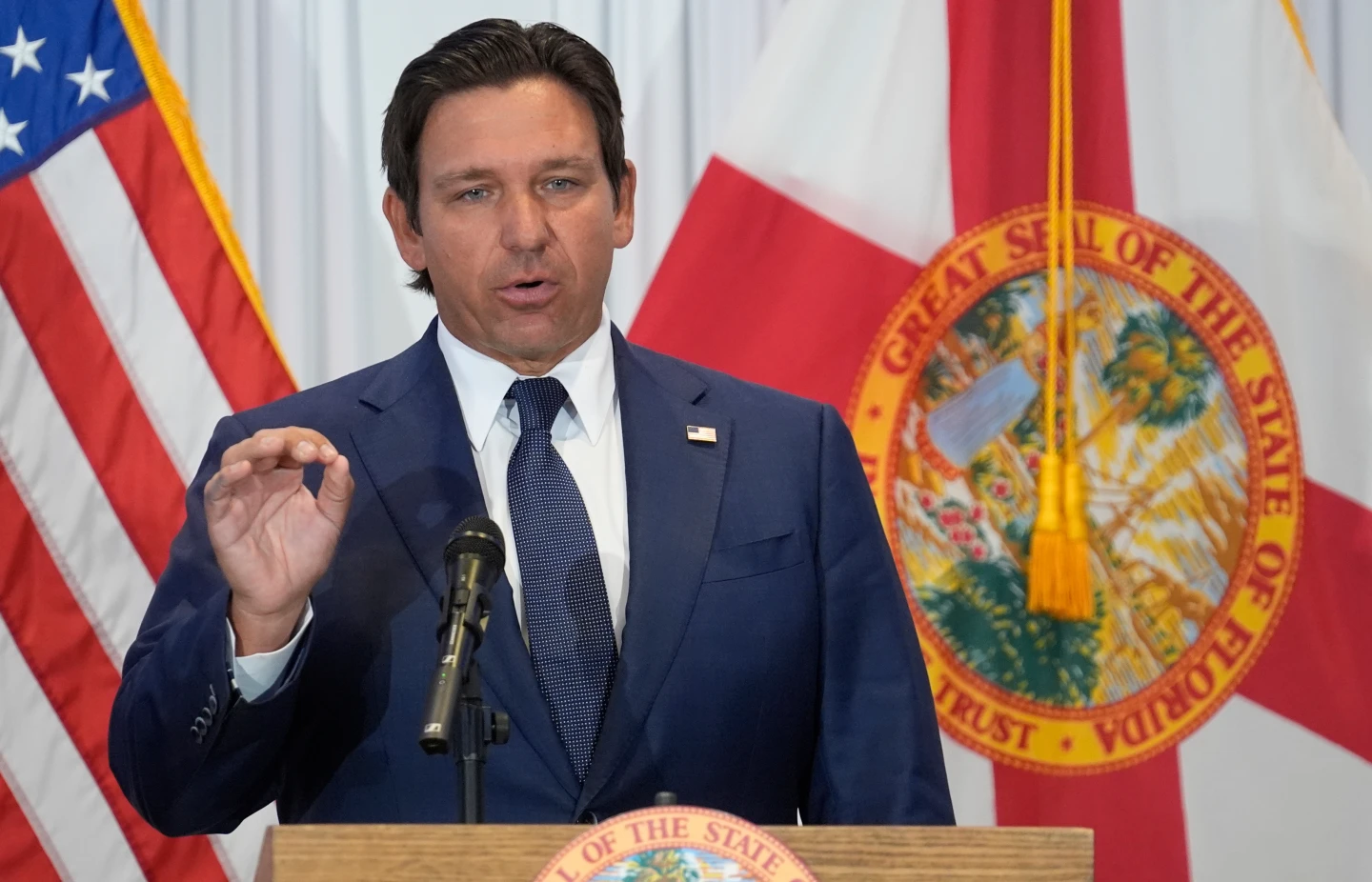
While North Dakota's officials are optimistic about using state oil revenues to offset the loss of property tax revenue, the situation is less certain in other states. In Georgia, a complex phasing strategy to eliminate homeowner property taxes by 2032 was unveiled recently, and in Florida, Governor Ron DeSantis has expressed similar objectives, with legislative discussions on phasing out non-school property taxes.
Tax proponents argue that the current system is fundamentally flawed; Georgia Republican House Speaker Jon Burns emphasized that no one should risk losing their home over unpaid taxes. The undertones of these initiatives, however, suggest that they could inadvertently destabilize funding for schools and vital local services.
With ongoing pushes in Oklahoma and Ohio to expand the movement, advocates cite successful past initiatives in California, leading to historical tax revolts. Concerns linger about whether local governments can sustain operations or if they will have to reduce spending to compensate for the lost revenue.
As local governments grapple with the transition from property taxes to possibly increased sales taxes, the trajectory of this nationwide trend remains to be seen. Lawmakers will need to balance tax relief for homeowners with maintaining essential services, a task that seems increasingly challenging amidst political negotiations.
While North Dakota's officials are optimistic about using state oil revenues to offset the loss of property tax revenue, the situation is less certain in other states. In Georgia, a complex phasing strategy to eliminate homeowner property taxes by 2032 was unveiled recently, and in Florida, Governor Ron DeSantis has expressed similar objectives, with legislative discussions on phasing out non-school property taxes.
Tax proponents argue that the current system is fundamentally flawed; Georgia Republican House Speaker Jon Burns emphasized that no one should risk losing their home over unpaid taxes. The undertones of these initiatives, however, suggest that they could inadvertently destabilize funding for schools and vital local services.
With ongoing pushes in Oklahoma and Ohio to expand the movement, advocates cite successful past initiatives in California, leading to historical tax revolts. Concerns linger about whether local governments can sustain operations or if they will have to reduce spending to compensate for the lost revenue.
As local governments grapple with the transition from property taxes to possibly increased sales taxes, the trajectory of this nationwide trend remains to be seen. Lawmakers will need to balance tax relief for homeowners with maintaining essential services, a task that seems increasingly challenging amidst political negotiations.