Bulgaria - the poorest country in the European Union - has become the 21st member of the eurozone, leapfrogging more prosperous candidates like Poland, the Czech Republic, and Hungary.
For young and entrepreneurial Bulgarians, this transition represents optimism and potential financial growth, marking a significant step in aligning with the European mainstream, following memberships in NATO and the EU, and now entering the eurozone.
Conversely, older and rural citizens express fears and resentment over losing the Bulgarian lev, causing a divide in public opinion regarding the new currency.
The lev has served as Bulgaria's currency since 1881 but has been pegged to other European currencies since 1997. Opinion polls indicate a roughly divided sentiment on adopting the euro among the 6.5 million Bulgarians, with political instability complicating the transition.
Bulgarian Prime Minister Rosen Zhelyazkov's coalition government faced a confidence vote amid mass protests against the 2026 budget, leading to calls for a potential referendum on euro adoption, which the outgoing government rejected.
Many shopkeepers have already prepared for the transition, and throughout January, payments can be made in both lev and euros, though from February 1, only euros will be accepted.
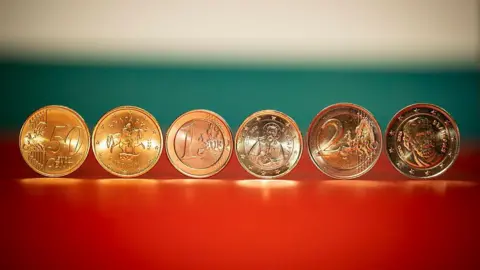
The introduction of the euro also sees Bulgarian symbols ingrained into its coin designs to assuage fears of losing national sovereignty. Pricing issues are being monitored to prevent price hikes as citizens adjust to the new currency.
The economic outcomes of joining the eurozone remain uncertain, provoking discussions of both successful and stagnant models seen in other European nations.