Zimbabwe’s President Mnangagwa Seeks Term Extension
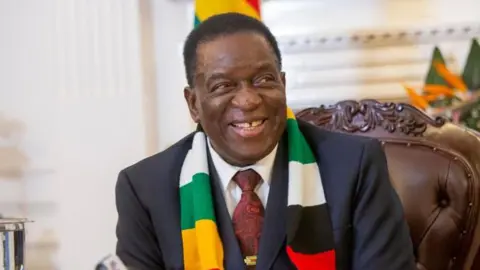
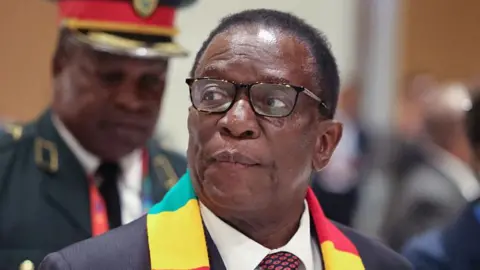
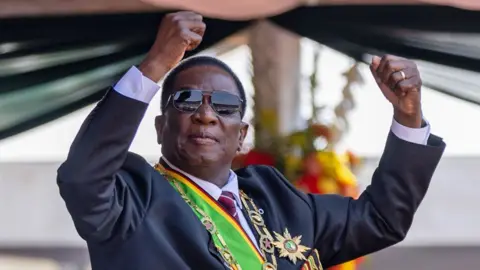
Zimbabwe's cabinet has approved a draft bill that could allow President Emmerson Mnangagwa to extend his presidency until at least 2030. The proposed legislation would change the election mechanism for the presidency from a public vote to selection by Members of Parliament and would extend maximum terms from the current five years to two seven-year terms.
Justice Minister Ziyambi Ziyambi stated that public consultations will occur before the bill is sent to parliament, where the ruling Zanu-PF party holds a significant majority. However, legal experts have raised concerns that changing term limits requires a public referendum, highlighting the constitutional implications of this move.
Mnangagwa's presidency began in 2017 after a military coup ousted long-standing leader Robert Mugabe. After winning the 2018 elections and a second term under disputed circumstances in 2023, his current term is scheduled to conclude in 2028. Known as the crocodile for his political shrewdness, Mnangagwa’s ambition to remain in power is fueled by his supporters who chant slogans endorsing his leadership in ongoing development plans dubbed Agenda 2030.
Criticism has also emerged from within Zanu-PF, especially following the recent death of his prominent critic, Blessed Geza, who called for political reforms and transparency within the government. Geza's passing has intensified the focus on Mnangagwa's governance and the potential for significant political upheaval should the proposed changes come into effect. The ruling party maintains that the bill aims to fortify governance and ensure political stability in Zimbabwe.