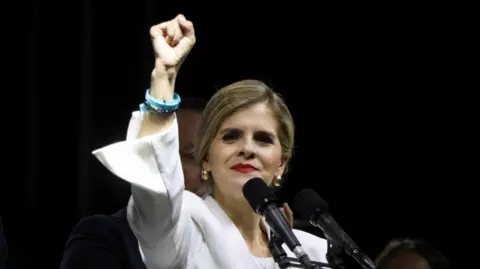
In a landmark electoral triumph, Laura Fernández of the conservative Sovereign People's Party has secured the presidency of Costa Rica. With the counting of over 88% of the votes nearly complete, Fernández captured more than 48% of the total, far surpassing the second-placed centrist Álvaro Ramos, who swiftly conceded defeat.
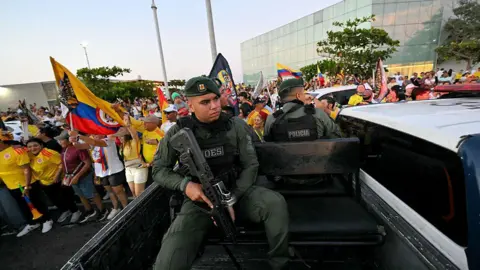
Her election reflects a growing priority among voters concerning the rise in drug-related violence within the region, prompting her commitment to continue the tough-on-crime policies advocated by her predecessor, President Rodrigo Chaves, who had endorsed her as his successor.
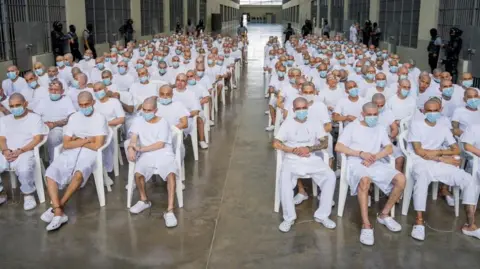
Fernández's definitive vote share negated the necessity for a run-off, positioning her to assume office on May 8. In her victory address, the 39-year-old pledged to push forward the initiatives set by Chaves, asserting her goal of implementing stricter security measures reminiscent of El Salvador’s President Nayib Bukele, who has received high approval ratings due to his hardline approach against gangs.
Costa Rica, known for its relatively low crime rates within Central America, has faced an uptick in criminal activity as transnational gangs have expanded their reach. Addressing potential concerns over civil liberties, Fernández assured that her government would prioritize 'dialogue and national harmony' rooted in the rule of law, even as she acknowledged the need for possible states of emergency in high-crime areas.
As she prepares to take office, the changes in Costa Rica's political landscape—with her party winning 30 out of 57 parliamentary seats—are expected to provide her with a stronger legislative backing to implement her crime policies. Noteworthy, under the constitution, presidents in Costa Rica cannot serve consecutive terms, clearing the path for Fernández as she leads the charge against the challenges posed by rising crime and governance.
Her election reflects a growing priority among voters concerning the rise in drug-related violence within the region, prompting her commitment to continue the tough-on-crime policies advocated by her predecessor, President Rodrigo Chaves, who had endorsed her as his successor.
Fernández's definitive vote share negated the necessity for a run-off, positioning her to assume office on May 8. In her victory address, the 39-year-old pledged to push forward the initiatives set by Chaves, asserting her goal of implementing stricter security measures reminiscent of El Salvador’s President Nayib Bukele, who has received high approval ratings due to his hardline approach against gangs.
Costa Rica, known for its relatively low crime rates within Central America, has faced an uptick in criminal activity as transnational gangs have expanded their reach. Addressing potential concerns over civil liberties, Fernández assured that her government would prioritize 'dialogue and national harmony' rooted in the rule of law, even as she acknowledged the need for possible states of emergency in high-crime areas.
As she prepares to take office, the changes in Costa Rica's political landscape—with her party winning 30 out of 57 parliamentary seats—are expected to provide her with a stronger legislative backing to implement her crime policies. Noteworthy, under the constitution, presidents in Costa Rica cannot serve consecutive terms, clearing the path for Fernández as she leads the charge against the challenges posed by rising crime and governance.