In brief
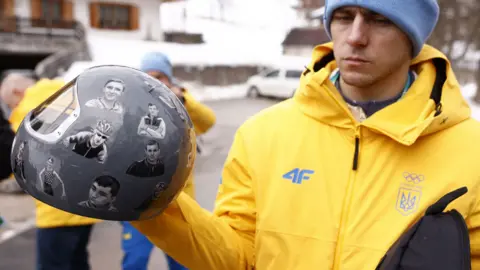
Ukrainian skeleton racer Vladyslav Heraskevych has been banned from the Winter Olympics for wearing a helmet that depicts fellow athletes killed since the Russian invasion. His disqualification raises questions about remembrance and the impact of war on sports. The helmet honors over 20 victims, including teenage athletes, showing their importance to Ukrainian sports and culture.
Ukrainian skeleton slider Vladyslav Heraskevych's disqualification from the Winter Olympics over his helmet depicting fellow athletes killed since Russia's full-scale invasion is the Games' biggest controversy so far.
Heraskevych was barred from the men's skeleton in Milan-Cortina earlier this week after he refused to stop wearing it and on Friday his appeal was denied.
More than 20 names, including teenage weightlifter Alina Perehudova and ice hockey player Oleksiy Lohinov, are featured on the helmet, symbolizing a tragic loss suffered by the Ukrainian athlete community.
This event highlights the intersection of sports and remembrance, as Heraskevych continues to stand by his statement that the helmet is a 'helmet of remembrance' for those lost. The IOC ban raises discussions about tribute and the allowed expressions of grief in competitive sports.