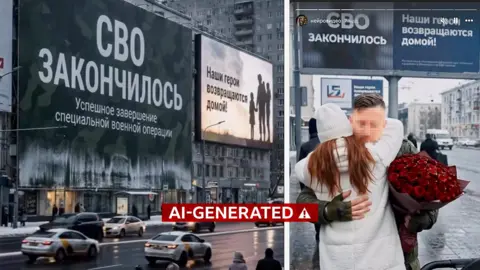
In brief
A viral 15‑second AI clip depicting a soldier embracing his family has opened a market for in‑house digital afterlives, with parents claiming comfort and critics decrying political propaganda. Since mid‑2025, creators like Katya Jin and Anna Korableva offer funerary‐style videos at low costs, attracting thousands of requests. The practice raises ethical concerns and uncertain psychological effects, as scholars warn the technology could trivialise real loss in a wartime context. Despite the controversy, some producers earn far above Russia’s average wage from these creations.
A viral 15‑second clip posted by popular Instagram creator Katya Jin shows a man in a military uniform embracing his family, a ‘dead’ soldier who had apparently returned from the front line. The clip was fabricated entirely with generative AI.
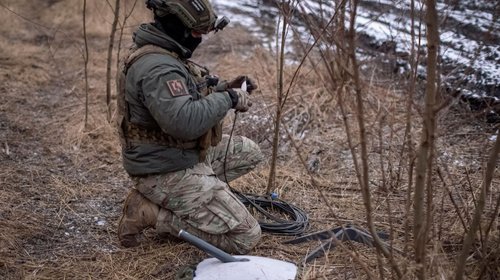
Since mid‑2025, Russian families have taken to TikTok and Instagram to commission AI‑generated footage that gives a visual representation of missing soldiers, often depicting them as heroic angels or defenders of their country. The technology, which requires only a few photo uploads and prompt wording, can cost as little as 200 roubles (£2) and fetch up to 10 000 roubles (£100) in some cases.
The practice has drawn strong reactions online. While some grieving parents say the videos help them cope, many Ukrainian viewers and critics claim the content is harrowing, manipulative and political propaganda that trivialises real loss.
Experts from the Leverhulme Centre for the Future of Intelligence warn that the use of posthumous avatars is a “deeply problematic” cultural experiment with uncertain psychological effects, and that the technology is still largely untested in the context of war‑related bereavement.
Despite doubts, creators like Anna Korableva and Ulyana Lebed report monthly earnings that far exceed the Russian average wage, suggesting that the business of “digital afterlife” is growing at a rapid pace.