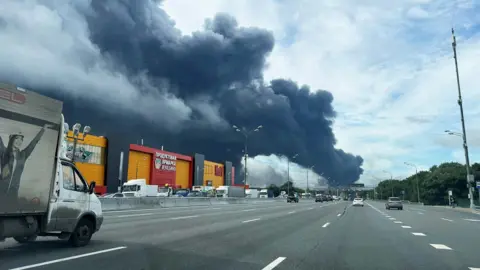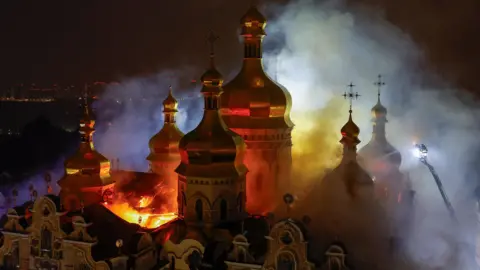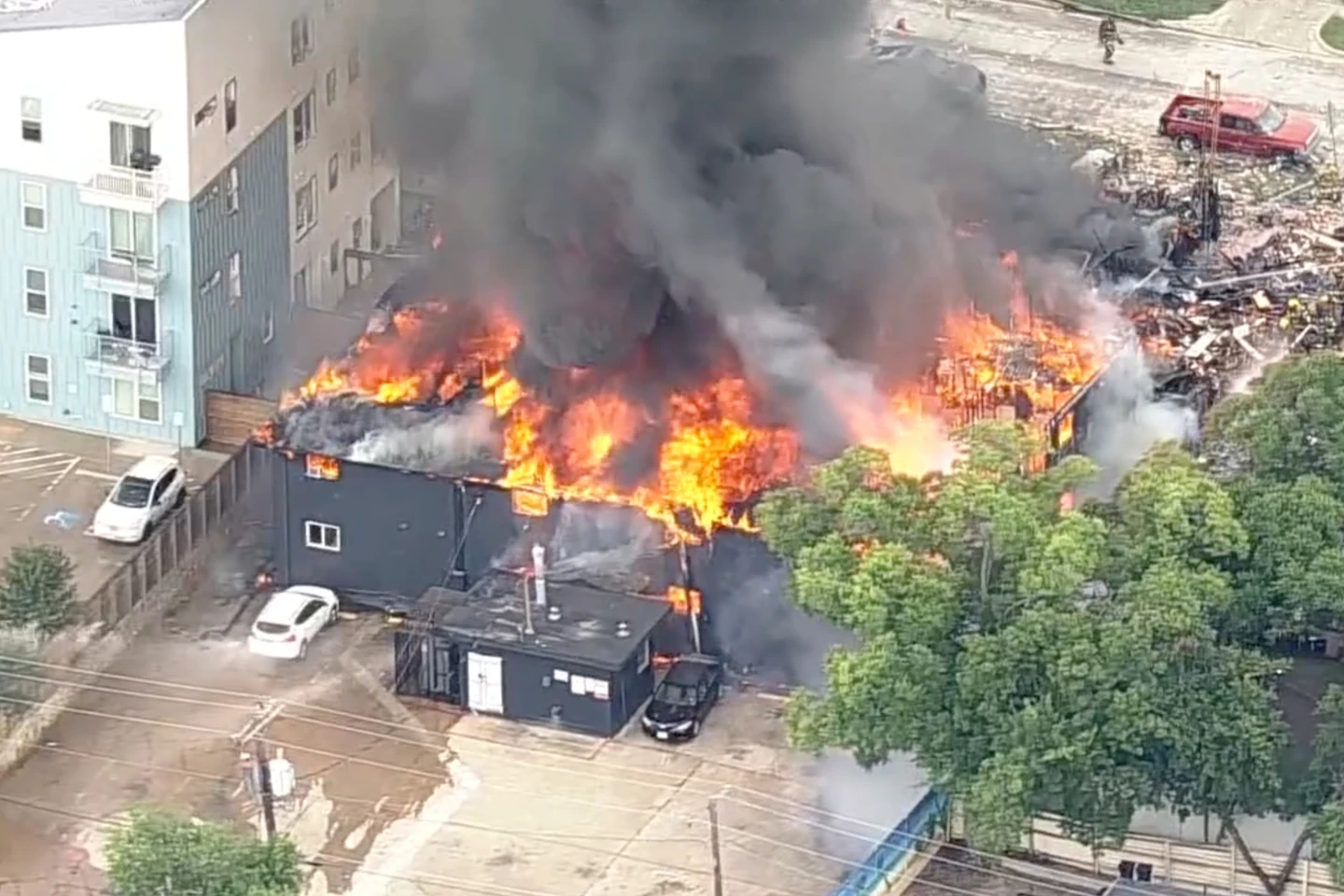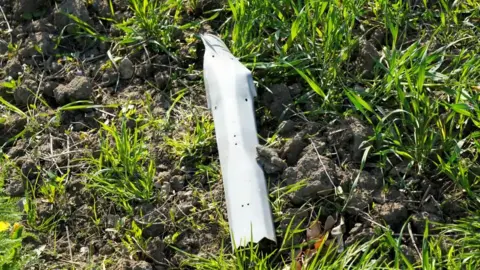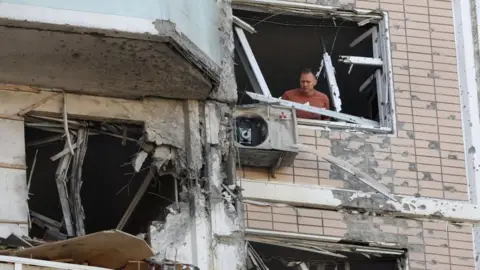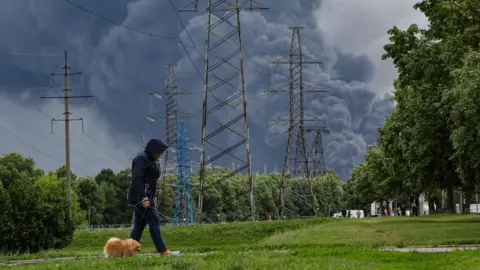
On June 18, a Ukrainian drone attack broke out over Moscow’s southeast, targeting the Kapotnya oil refinery. The strike sent thick black smoke billowing into the sky, masking the city’s skyline like a giant shroud. The blast also damaged a shopping centre and residential block, killing an eight‑year‑old girl according to regional governor reports.
While the city’s traffic flowed and shoppers lingered in supermarkets, residents remained oblivious in the first moments. An angler by a pond continued fishing, and children played on nearby swings, all under a choking blanket of smoke.
“I realized then that my sense of what’s normal in Moscow needed updating,” said the author. “I hadn’t warned of such a big attack.”
Residents like Slava, who lives opposite the refinery, admitted surprise but no shock, while Nadezhda recalled the nation’s wartime endurance and expressed disbelief that the war now affected their city.
Russian officials routinely blame Western support for prolonging the Ukraine conflict. Yet on the day of the strike, President Vladimir Putin said nothing; popular Russian TV broadcasts barely mentioned the attack. The next day, state‑controlled media hailed the strike as decisive, claiming Ukrainian suffering was far greater than Russian losses.
Putin’s spokesman, Dmitry Peskov, urged reporters to look for “more footage” of Ukrainian attacks, implying their significance. He added that Russian strikes will continue while underscoring their superiority over Ukrainian ones.
Ukraine’s long‑range drone attacks increasingly strain Russia’s economy; fuel shortages and higher pump prices have been reported. Moscow’s leaders now anticipate more such strikes, with local newspapers warning that this attack is not the last.