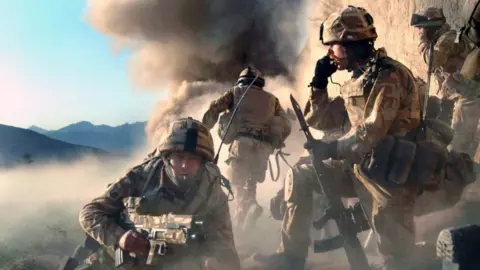
Blast walls, rocket attacks, Forward Operating Bases (FOBs), Improvised Explosive Devices (IEDs), and long queues in the canteen; anyone who deployed to Afghanistan, in any capacity, between 2001-2021 carries vivid memories of that time.
The journey often began with flights into conflict zones like Kandahar, Kabul, or Camp Bastion, fraught with the lurking threat of Taliban surface-to-air missiles. Over two decades, thousands from various nations, including servicemen and women as well as civilians, joined the effort in response to a call for help from the US.
This call invoked NATO's Article 5, marking a historic moment as it had never been activated in the alliance's 77-year history. The unprecedented aftermath of the September 11 attacks saw almost 3,000 lives lost, prompting swift action against al-Qaeda, taking refuge under the Taliban.
Led by US and coalition forces, the Taliban was quickly ousted, transitioning into the challenge of dismantling al-Qaeda entirely. With combat operations subsequently shifting focus and intensity, the urgency of the mission transformed dramatically, particularly post-2006 when Britain increased its military presence in Helmand province.
Internationally, British, Canadian, Danish, and Estonian troops faced fierce battles while highlighting the often-overlooked sacrifices made by Afghan allies. IEDs posed a looming threat, leading to devastating and lasting injuries among soldiers. Many served with the constant fear of encountering these hidden dangers, praying for 'manageable' injuries if ambushed.
Amidst these struggles, a remarkable resilience emerged among personnel who, despite life-altering injuries, exemplified courage and determination. As the curtain falls on this protracted chapter, the narrative of shared sacrifice transcends borders, reminding us of the collective human experience in the fight for peace in Afghanistan.