In brief
In an unprecedented legal saga, an Afghan orphan, caught in the aftermath of a military operation, was adopted by a U.S. Marine under dubious circumstances. Initially believed to be stateless, the child was later revealed to have a family in Afghanistan that the U.S. government was trying to unite her with. A Virginia judge's shocking decision allowed for the adoption, which has since been challenged despite the federal government's claims that proper procedures were not followed. The case raises critical questions about international law, child rights, and the responsibilities of nations in the wake of war.
The judge wanted everyone in the courtroom to know that when he’d signed a war orphan over to an American Marine he thought it was an emergency, that the child injured on the battlefield in Afghanistan was on death’s door, with neither a family nor a country to claim her.
A lawyer for the federal government stood up. “That is not what happened,” she told the judge: almost everything he’d believed about the baby was untrue.
This group had gathered 15 times by then, in secret proceedings in this small-town Virginia courtroom to try to fix what had become an international incident. Fluvanna County Circuit Judge Richard Moore had granted an adoption of the orphan to U.S. Marine Joshua Mast and his wife, Stephanie, while the baby was in Afghanistan, 7,000 miles away.
Now the U.S. government insisted the baby’s fate had never been the judge’s to decide; officials in President Donald Trump’s first administration had chosen to unite her with relatives months before Moore gave her away, according to once-secret transcripts of the November 2022 hearing.
Thousands of pages of those transcripts and court documents were recently released as a result of a three-year fight for access after a 2022 AP report about the adoption raised alarms at the highest levels of government, from the Taliban to the White House. The newly released records reveal how America’s fractured bureaucracy allowed the Masts to adopt the child who was halfway around the globe, being raised by a couple the Afghan government at that time decided were her family, in a country that does not allow non-Muslims to take custody of its children. The documents show the judge skipped critical safeguards and legal requirements.
Mast has said he believed—and still does—the story he told Moore about the girl, insisting he acted nobly and in the best interest of a child stuck in a war zone with an uncertain future.
Yet, high-ranking military and government officials took extraordinary steps to help him, seemingly unaware that others in their own agencies were trying to stop him. “The left hand of the United States is doing one thing,” another judge later said, describing the dysfunction, “and the right hand of the United States is doing something else.”
The documents reveal that the court and federal government have blamed each other for the legal predicament. The Justice Department has said what happened in this rural courthouse threatens the nation’s standing in the world and appears as an endorsement of child abduction. “I’ll probably think about this the rest of my life whether I should have said, sorry, that child is in Afghanistan. We’re just going to stand down,” Moore said at the hearing three years ago, reflecting on his decision.
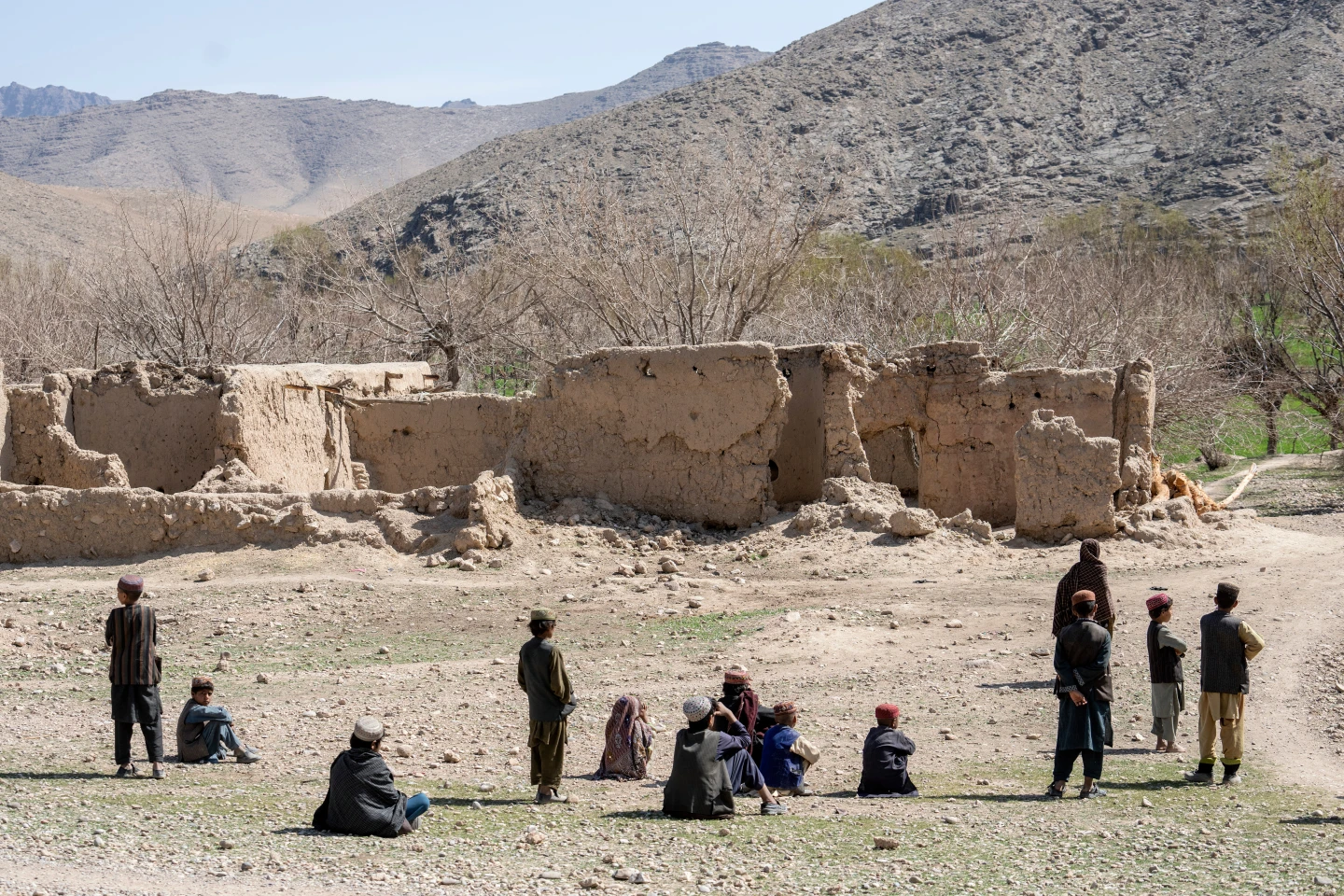
The baby was orphaned in September 2019 when U.S. Army Rangers, along with Afghan forces, raided a rural compound. The baby’s parents were killed. She was found in the rubble, about two months old, burned and with a fractured skull and broken leg. U.S. troops scooped her up and took her to the hospital at Bagram Air Base in Kabul.
American service members fell in love with her there as she recovered, becoming a symbol of hope in a long, grinding war.
The raid that killed the baby’s parents targeted transient terrorists who came into Afghanistan from a neighboring country. Some soldiers believed she might not be Afghan and tried to make a case for bringing her to the U.S., while the State Department insisted the embassy convened a meeting that October with members of the military and Afghan government to explain that under international law the U.S. was obligated to reunite her with her family.
In early November, Mast’s brother, a lawyer with a conservative Christian firm, filed a petition for custody. A Fluvanna County judge quickly approved it, declaring the child “stateless.” However, Afghanistan never waived jurisdiction, leaving the Masts to push for a permanent adoption.
Two days after the temporary adoption was granted, an email arrived from the U.S. Embassy, startling those who had been working to reunite the girl with her family. Military officers worried that Mast’s actions might diverge from U.S. policy regarding the child; meanwhile, new claims about her uncle emerged, adding complexity to the case.
The situation became more tangled amid the U.S. military’s withdrawal from Afghanistan, as the couple raising her in Afghanistan resisted her relocation to America. Even as they prayed for her return, the child was sent aboard a flight to Virginia.
In a courtroom debate that questioned the legality of the adoption, a new judge ruled it void, emphasizing the importance of Afghan jurisdiction over its citizens. This decision raised new hopes for the Afghan family who had fought for the return of their rightful decision regarding the girl.
As the years dragged on, the child remained with the Marine family. The case serves as a stark reminder of the complexities surrounding adoption laws, parental rights, and the ramifications of conflict upon innocent lives.