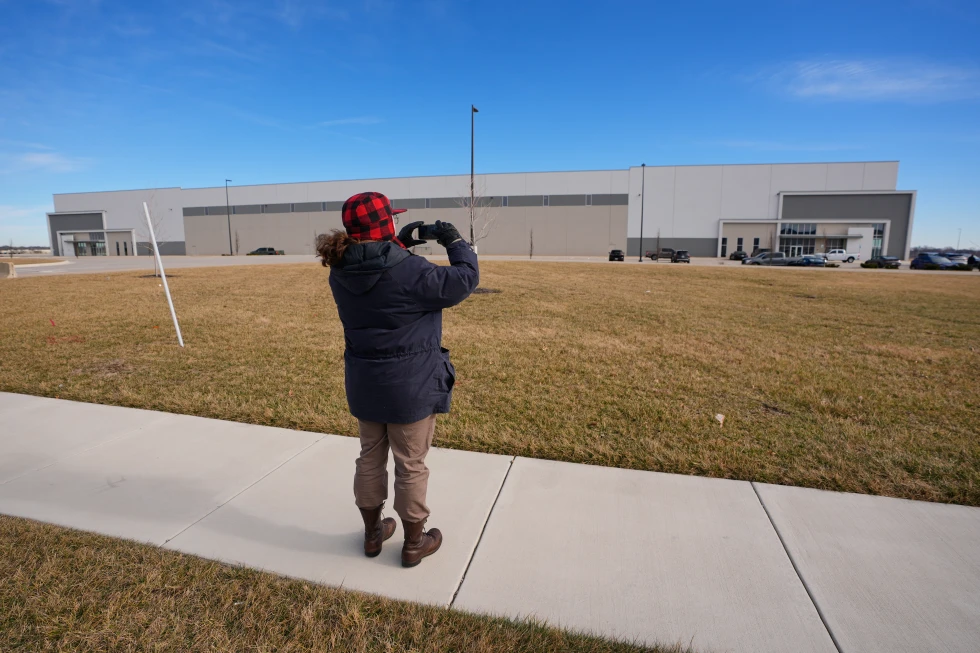
As federal officials push forward with a massive $45 billion expansion of detention facilities across the United States, tensions are rising in communities targeted for potential new ICE detention centers. Local legislators and concerned residents are increasingly vocal in their opposition, driven by fears that these facilities will sow discord and exacerbate existing tensions.
The backdrop for this opposition includes recent tragic incidents, such as the fatal shootings of two individuals during immigration enforcement actions in Minnesota, which have heightened public scrutiny and concern over the operations of U.S. Immigration and Customs Enforcement (ICE).
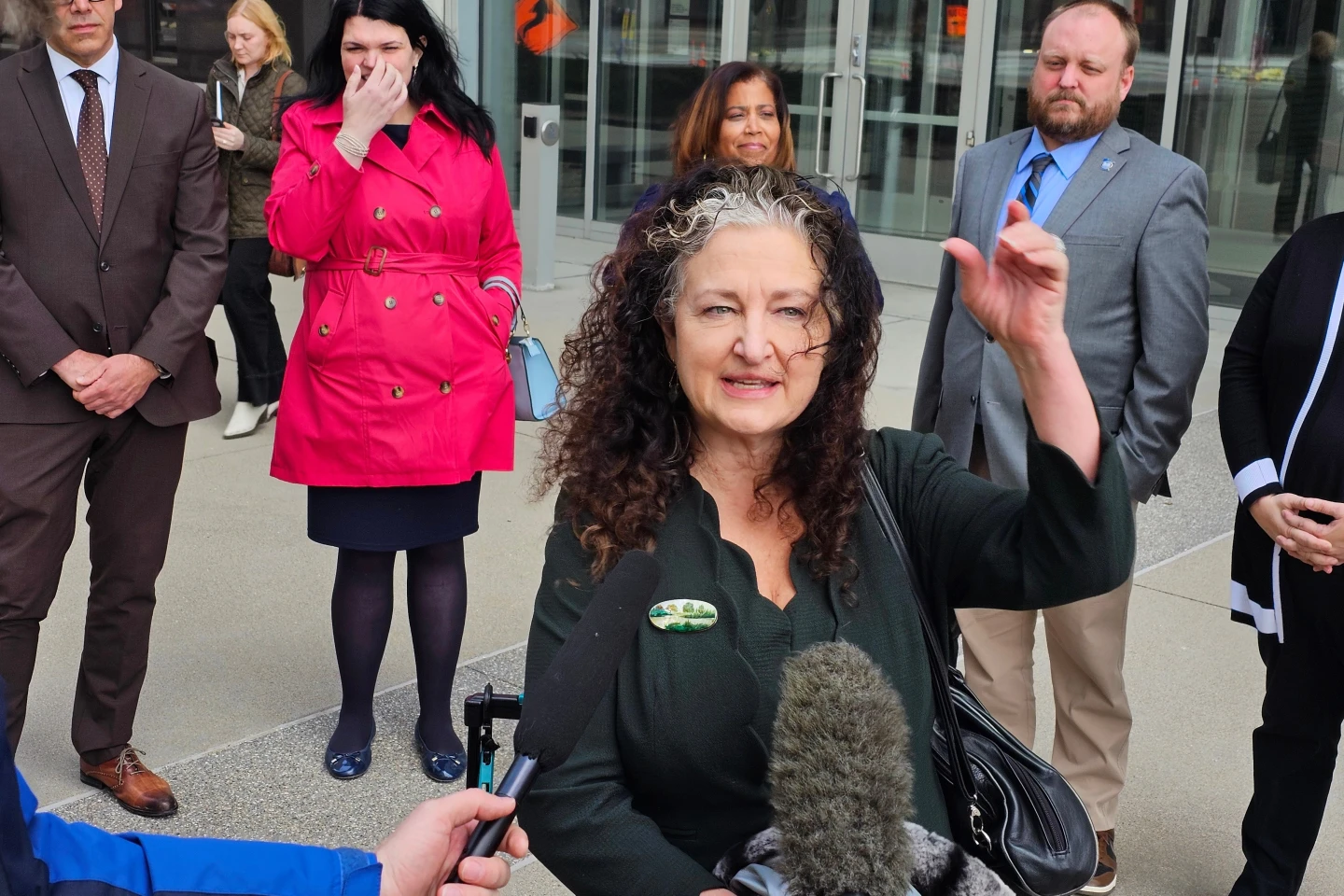
Recent public hearings held in Owens County, Virginia, and Kansas City, Missouri, revealed significant community pushback against proposed detention sites. Residents expressed worries that the establishment of these facilities would bring unwanted attention and dangerous practices to their neighborhoods. You want what’s happening in Minnesota to go down in our own backyard? one resident questioned, capturing the sentiment during a tense public meeting.
In response to the expansion plans, several local governments have taken matters into their own hands. For instance, Kansas City is looking to pass an ordinance to block non-city-run detention centers, while mayors from several other cities have announced that local property owners will not be leasing their facilities to ICE.
Democratic-led states are also stepping up with legislative measures aimed at discouraging ICE activities. New Mexico recently passed a significant bill that targets local government agreements with ICE, while California is considering imposing heavy taxes on profits made by companies involved with ICE facilities.
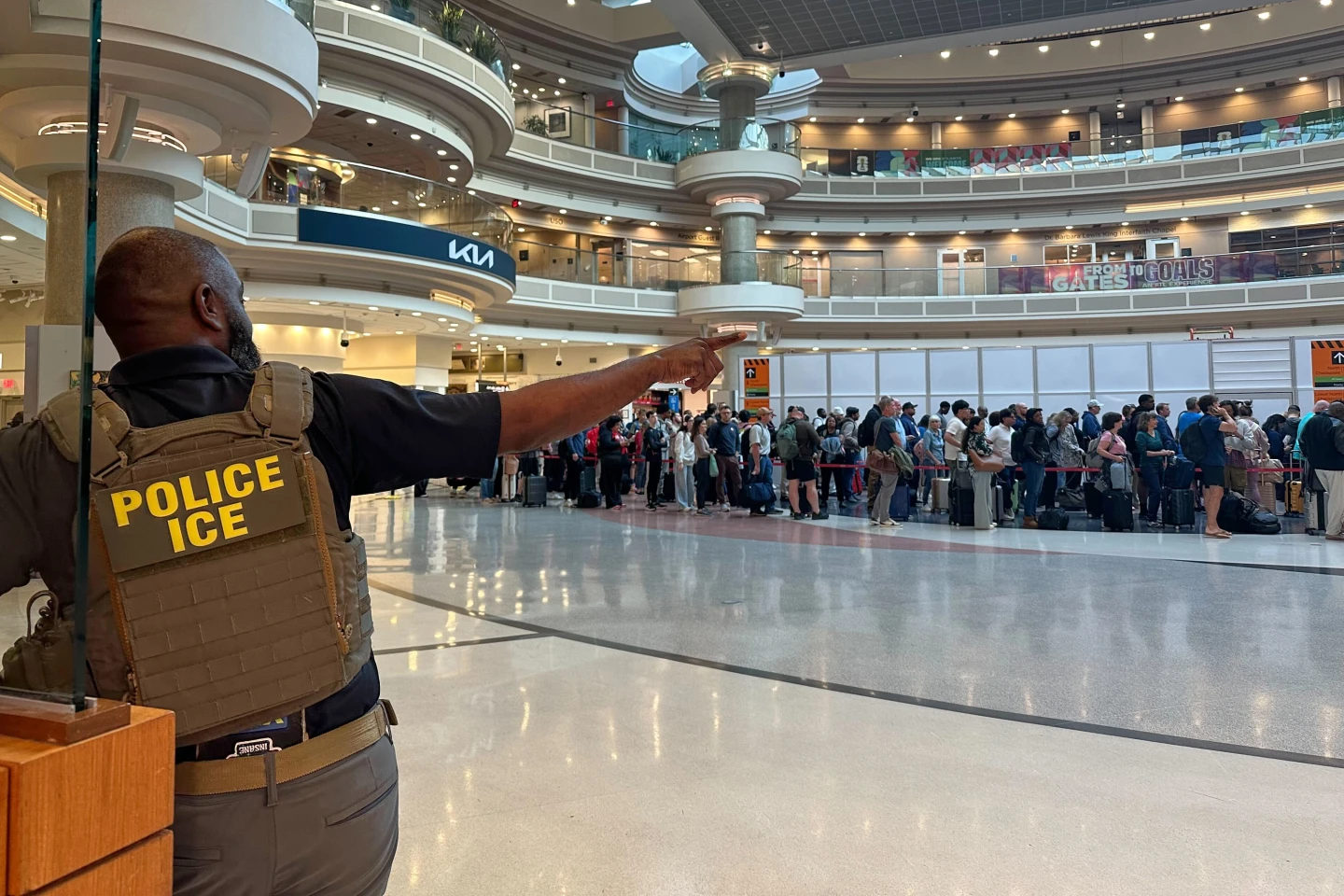
ICE's current detention capacity has nearly doubled since the start of the Trump administration, and with more facilities on the horizon, it’s unclear how effective local governments can be in halting their development. Legal experts warn that while localities can often refuse to lease public land, they might not have the authority to prevent private landowners from establishing such facilities.
As jurisdictions work to flex their legal might, the future of immigration detention facilities remains uncertain, with ongoing challenges and fierce debates likely to continue in the months ahead.