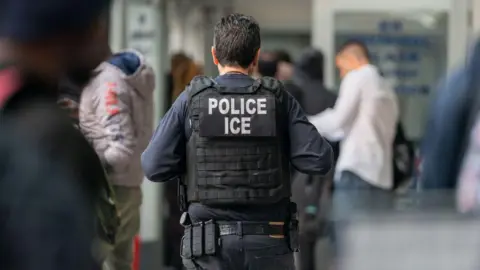
WASHINGTON (RTW) — The controversial branding of U.S. immigration enforcement operations has surfaced in public discourse, raising questions about the tone and implications behind operation names like Operation Dirtbag in Florida and Operation Catch of the Day in Maine. This trend is an aspect of the Trump administration’s approach to immigration policy, which some find amusing while others deem offensive.
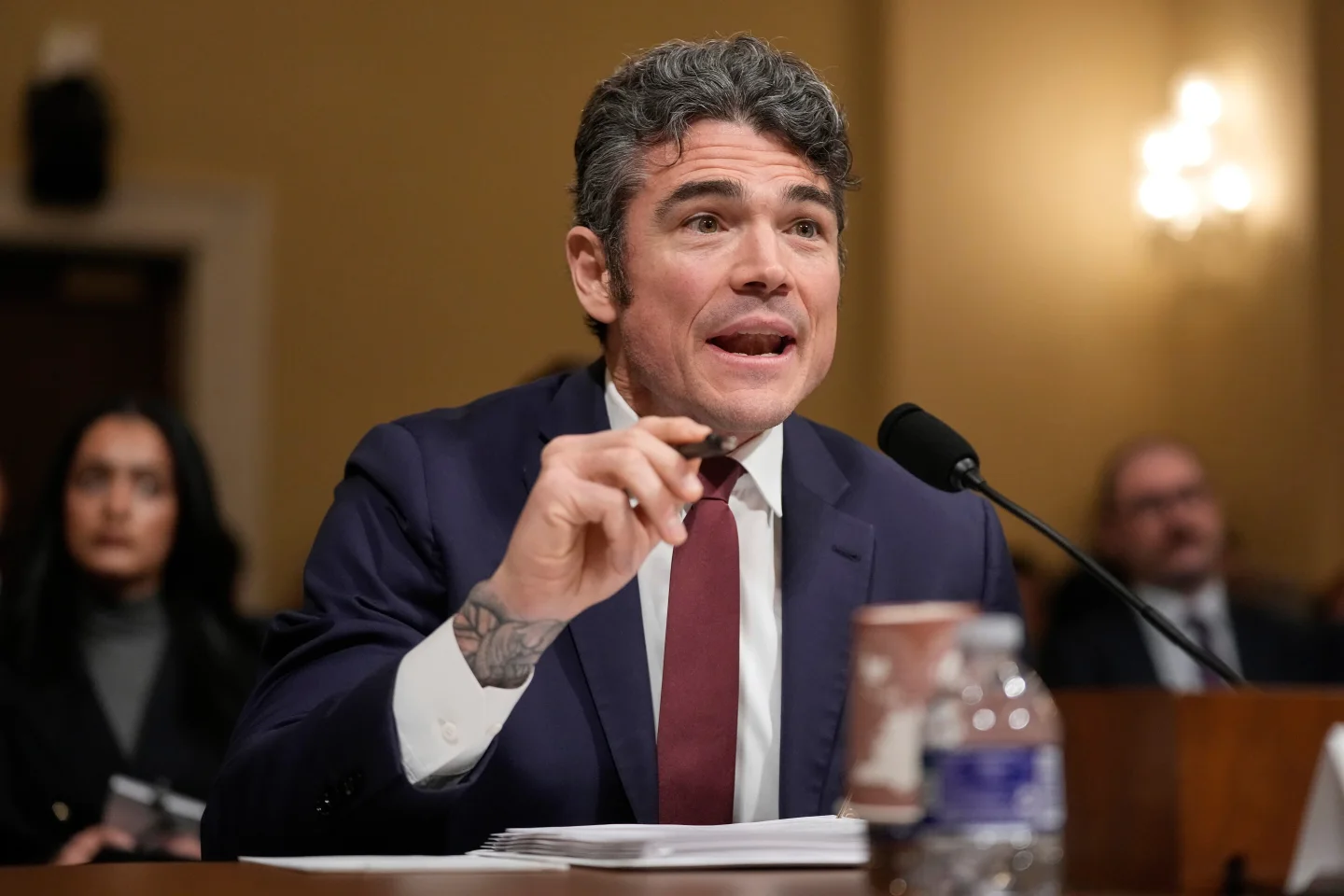
Some lawmakers, such as Congressman Jimmy Gomez, have criticized these names, suggesting they contribute to a narrative that immigrants are viewed as less than human. Gomez argued that the lighthearted branding underscores an alarming normalization of dehumanizing rhetoric against immigrant communities.
On the contrary, supporters like Congressman Brandon Gill advocate for the naming conventions as a clear stance on immigration reform. He suggests that this approach signifies a serious commitment to border safety and deportation initiatives.
Naming with Purpose?
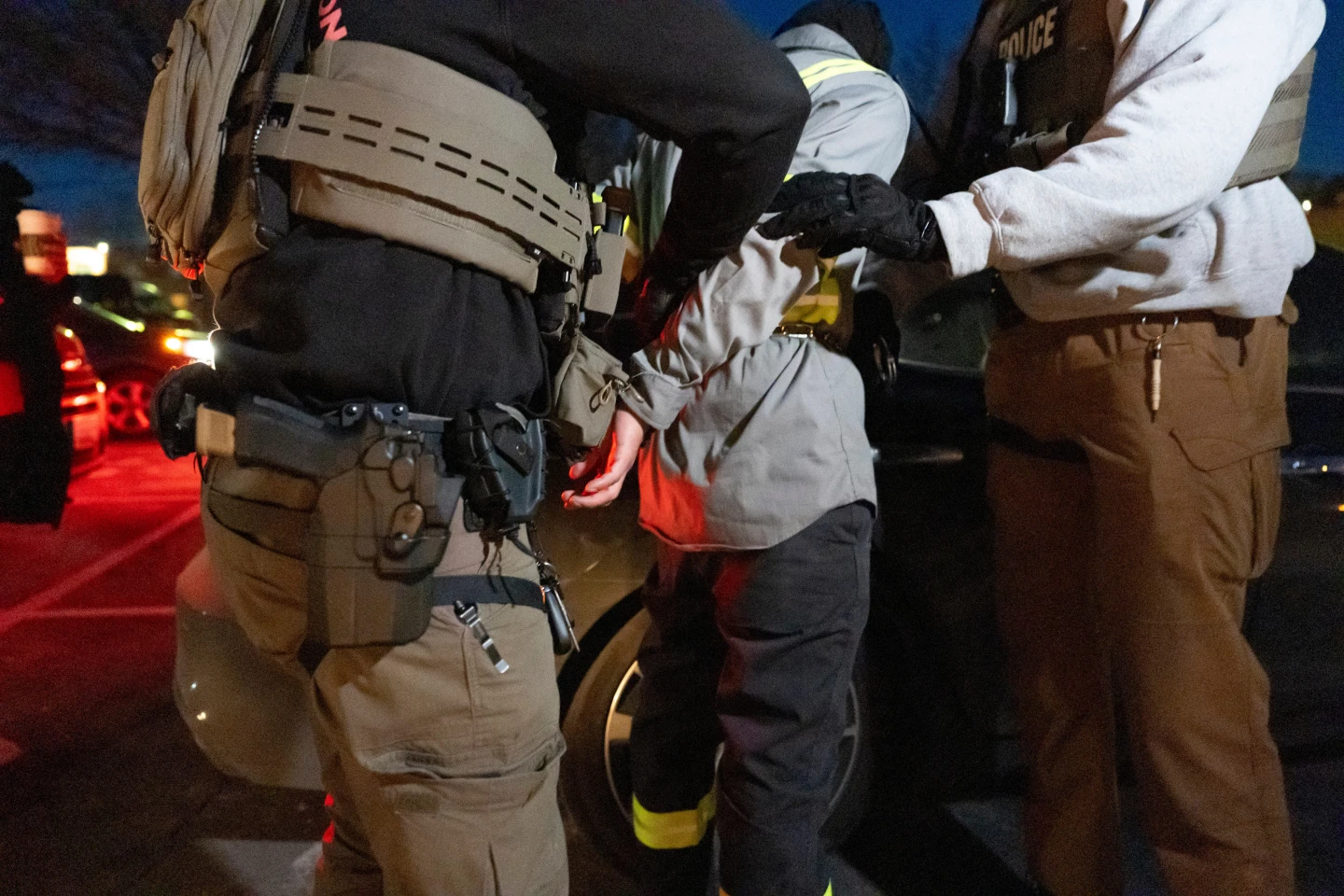
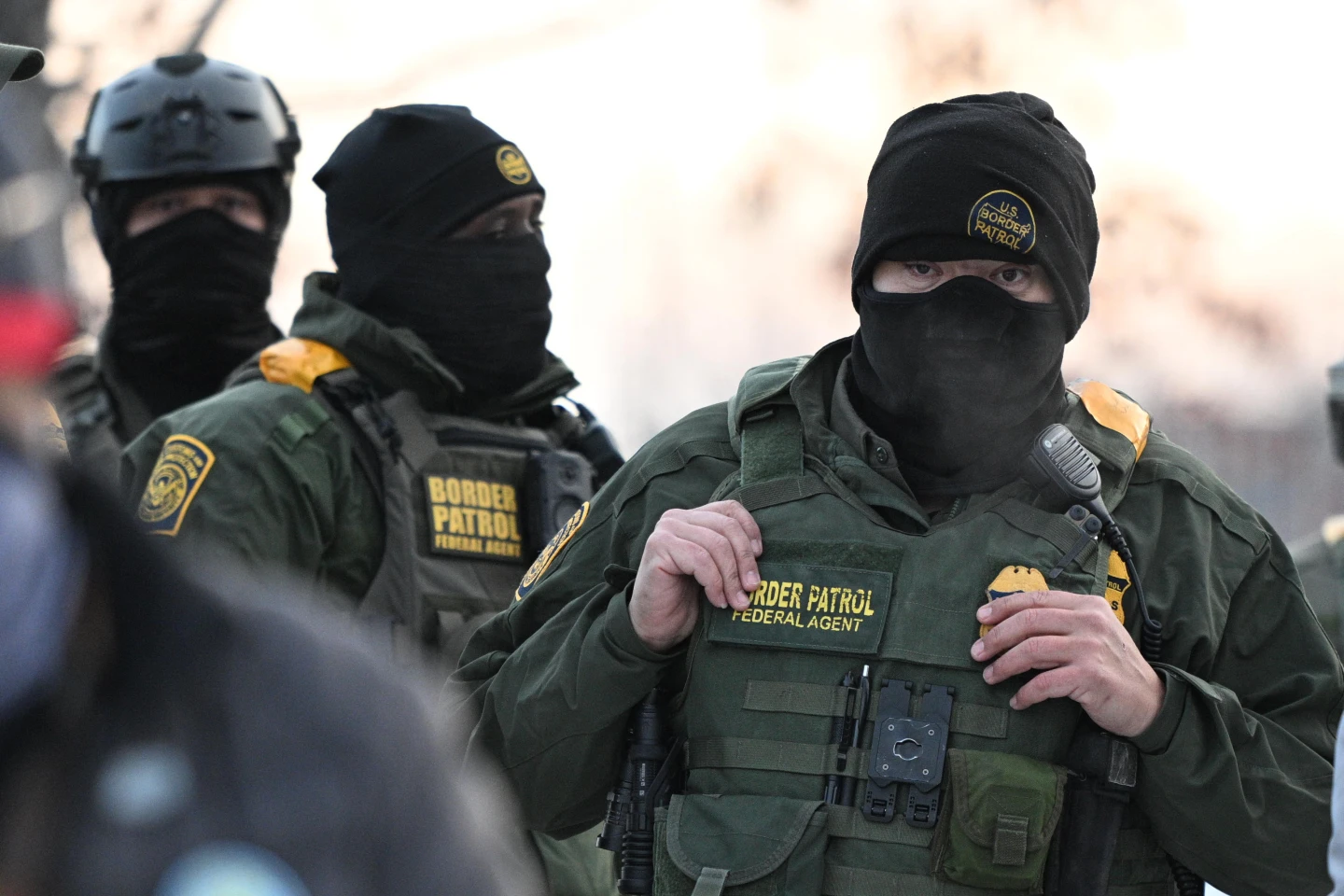
Traditionally, military operations were named with discretion to mask their true intentions. In contrast, current immigration raids openly adopt catchy, provocative titles that signal political messaging. Experts note this shift reflects an administration eager to broadcast its stance on immigration front and center, with names designed to resonate with politically influential audiences.
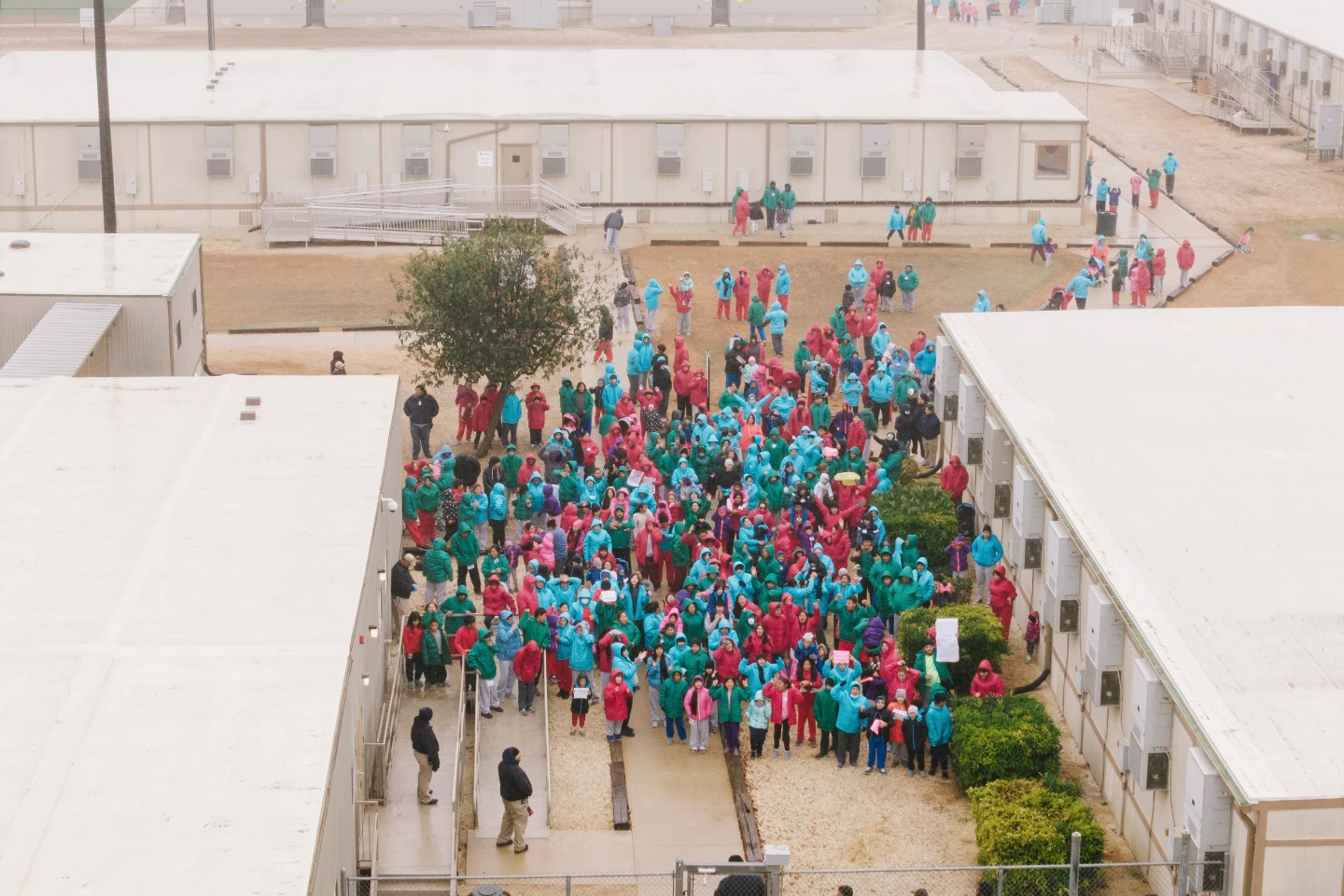
Immigration facilities have followed suit with similarly sensationalized names like Alligator Alcatraz. Legal representatives have pointed out that these titles trivialize serious issues surrounding immigrant detention, turning human suffering into marketing opportunities.
Backlash from the Community
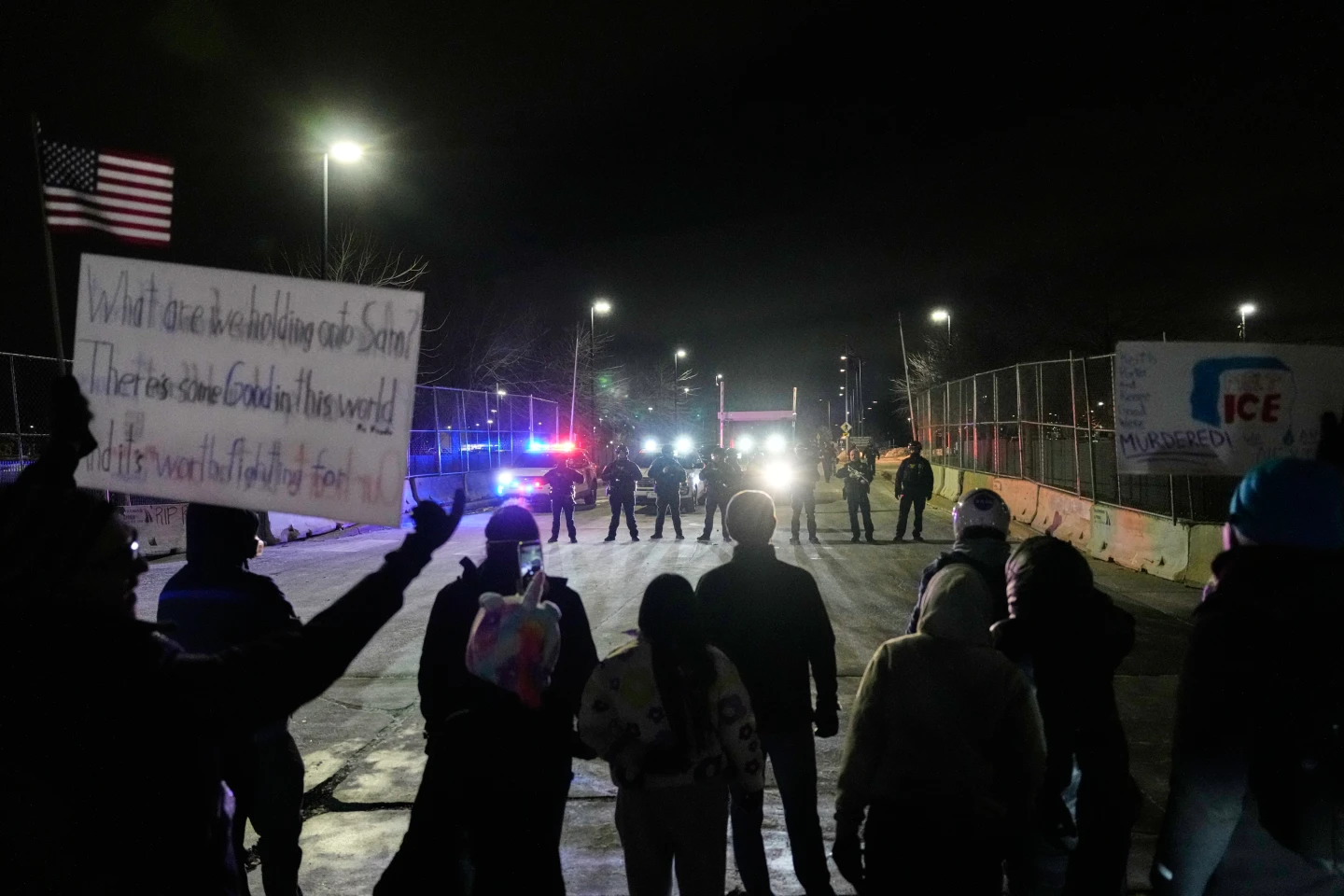
Local leaders in Maine voiced their outrage over 'Operation Catch of the Day,' labeling the name both racist and demeaning to immigrant populations. Congresswoman Chellie Pingree called the branding a 'sick joke,' emphasizing the fear it instills within communities facing enforcement measures.
The Maine Republican Party viewed the backlash differently, arguing the focus on the name detracts from larger failures within Democratic policies regarding local immigration issues.
This debate about operation names offers a glimpse into the polarizing perspectives on U.S. immigration policy, further complicating conversations around enforcement and community impacts. As the line between humor and insensitivity blurs, the implications of these names resonate with broader national conversations about race, justice, and the immigrant experience.