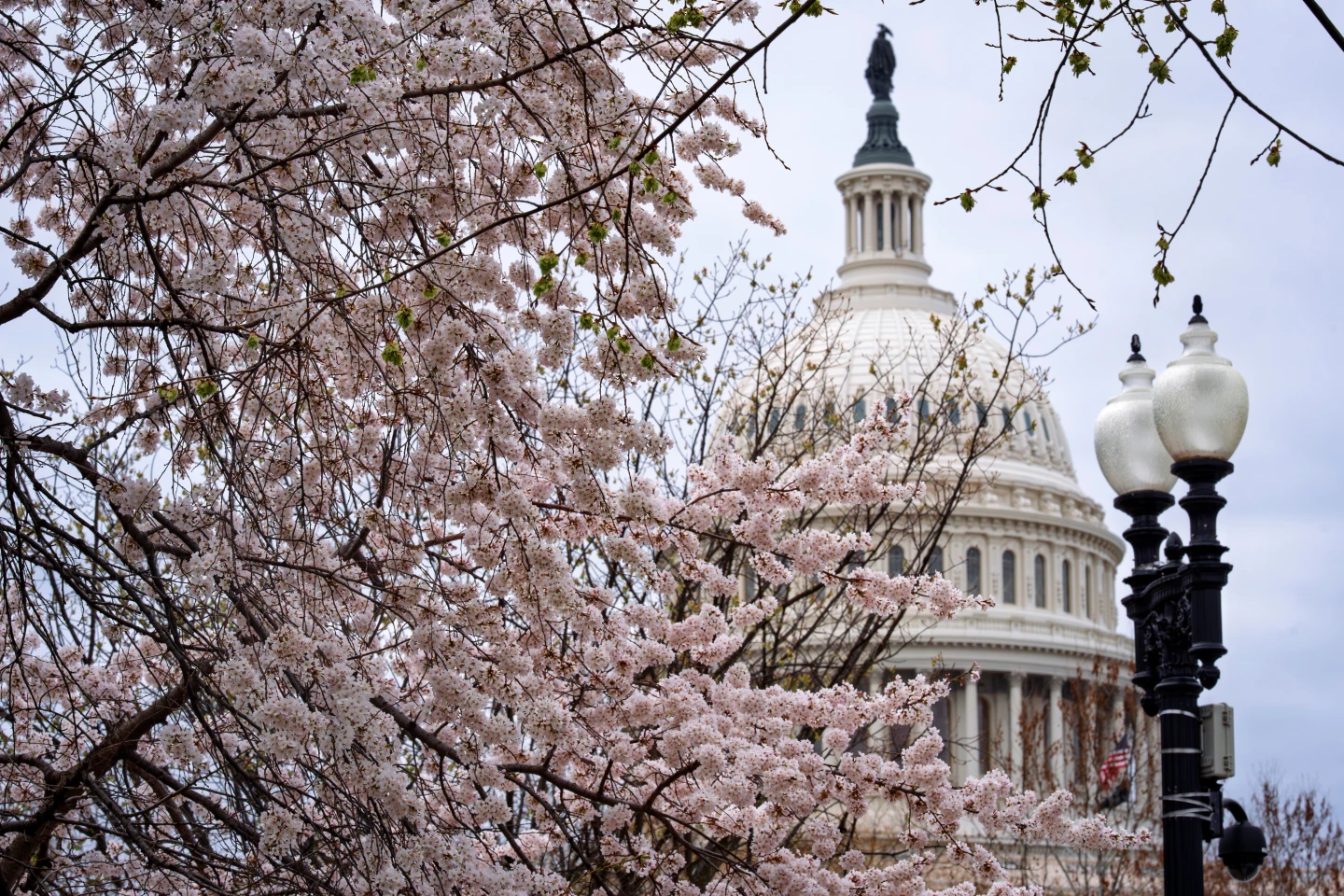
WASHINGTON (RTW) — A partial government shutdown started Saturday, reflecting different circumstances compared to past closures. The House of Representatives is set to convene Monday to address the funding standoff, with hopes to end the shutdown soon.
So far, Congress has passed half of this year’s funding bills, allowing several key agencies to continue operations through September. While nutrition assistance programs are expected to be unaffected, critical departments such as the Pentagon and the Department of Homeland Security (DHS) face the prospect of lapsed funding.
In the event the shutdown persists, essential roles will continue, but some employees may experience pay delays, and others could face furloughs. Democrats particularly sought to reform immigration enforcement following tragic recent events involving federal agents in Minneapolis.
Why is the shutdown happening?
The funding conflicts stemmed from bipartisan progress that was disrupted by the shooting deaths of two individuals at the hands of federal agents. This sparked outrage among Democrats, leading to demands for essential changes to immigration enforcement measures linked to the DHS funding package.
Past Shutdowns
Previous brief or weekend shutdowns have typically gone unnoticed by the public, with minimal disruption to government services. Notably, there were two during Trump's first term, including a notably short nine-hour shutdown.
Funding Impacted
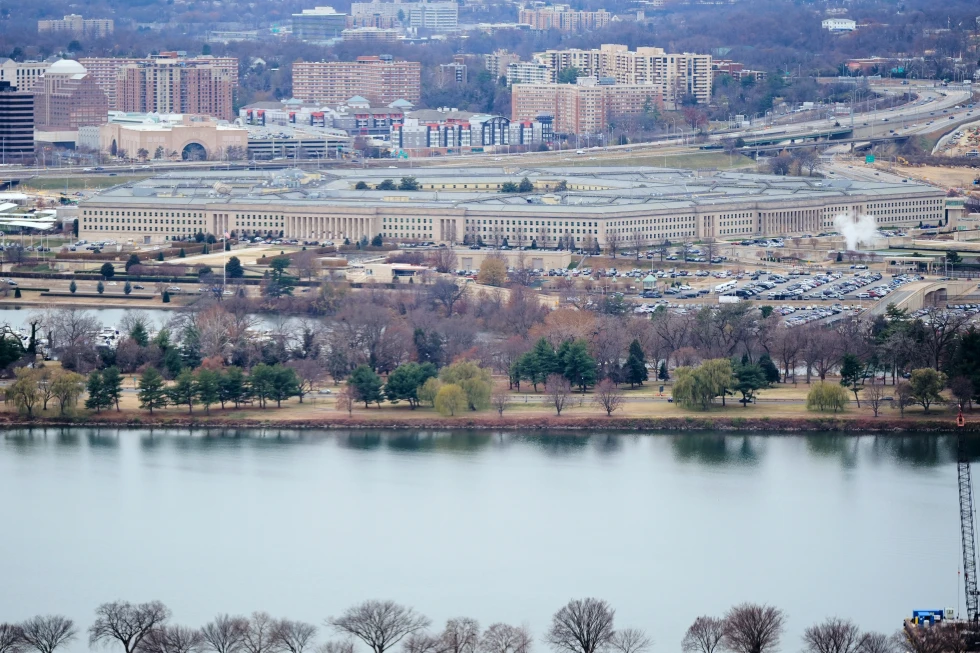
The current shutdown affects the Pentagon and DHS, including FEMA, but experts indicate that FEMA may still adequately respond to ongoing winter storms with a dedicated fund of approximately $7-8 billion. However, a prolonged shutdown could strain these resources.
Key Programs Continuation
Unlike previous shutdowns that severely impacted assistance programs like SNAP, the current shutdown will not disrupt these programs. SNAP benefits will remain available to around 42 million individuals as they have already been funded through the current fiscal year.
The government’s intention is to avert negative impacts on vital services and to seek a resolution promptly.