Senate leaders are scrambling to finalize a bipartisan spending deal to prevent a partial government shutdown as the deadline approaches. With midnight Friday marking the cutoff, Democrats are pushing for new restrictions on federal immigration raids in the wake of heightened tensions following recent protests against immigration enforcement.
In an unexpected move, Democrats reached a temporary funding arrangement with President Trump to separate the funding for the Homeland Security Department from the larger government spending bill, allowing for a two-week extension as Congress continues to discuss limitations on the Immigration and Customs Enforcement (ICE) agency.
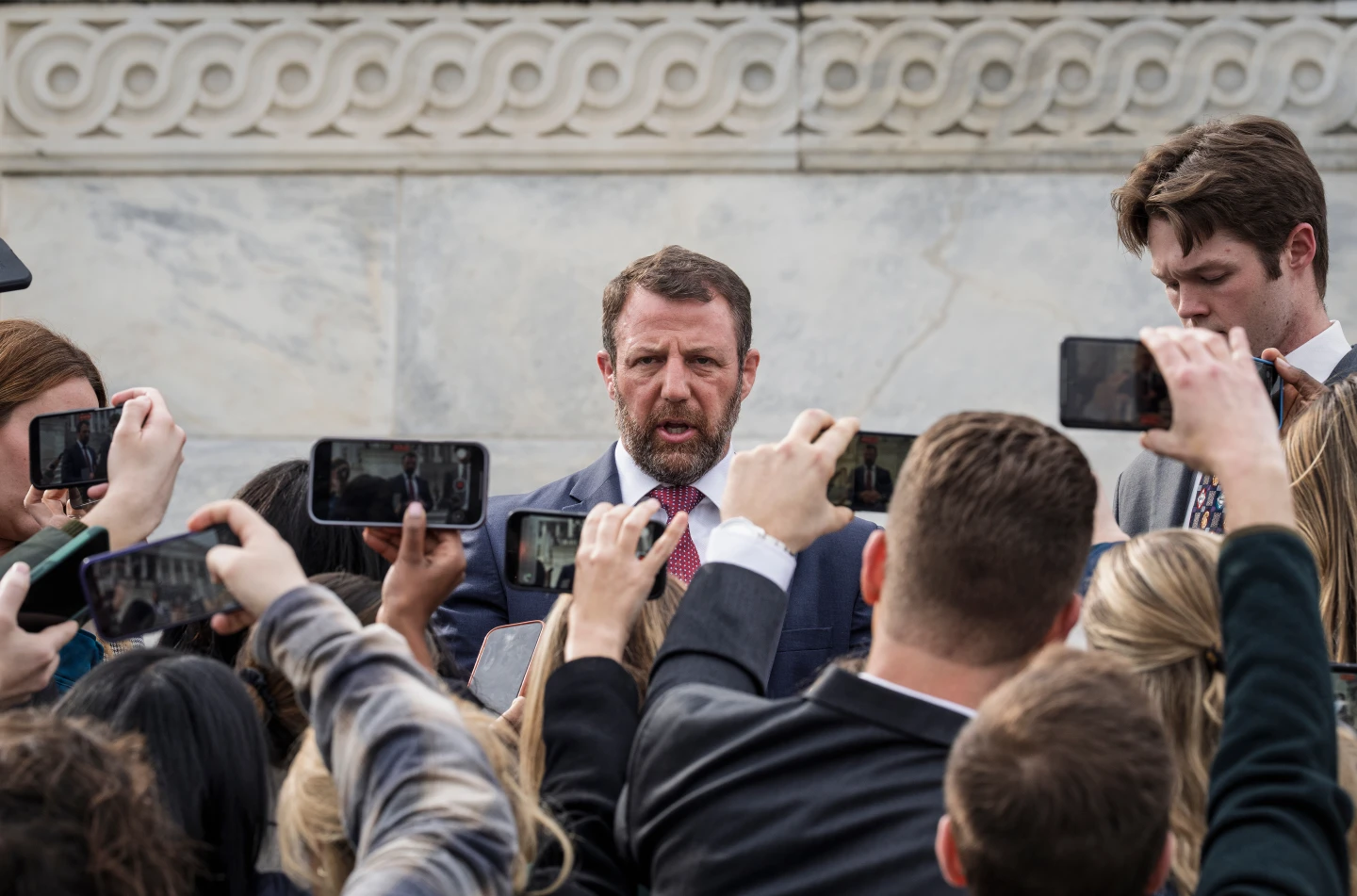
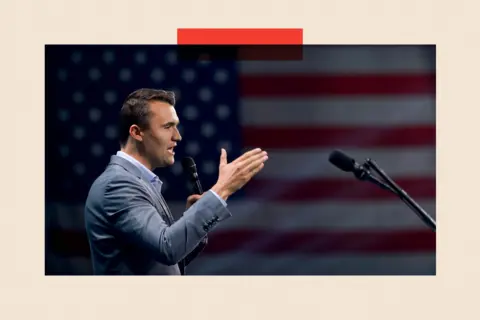
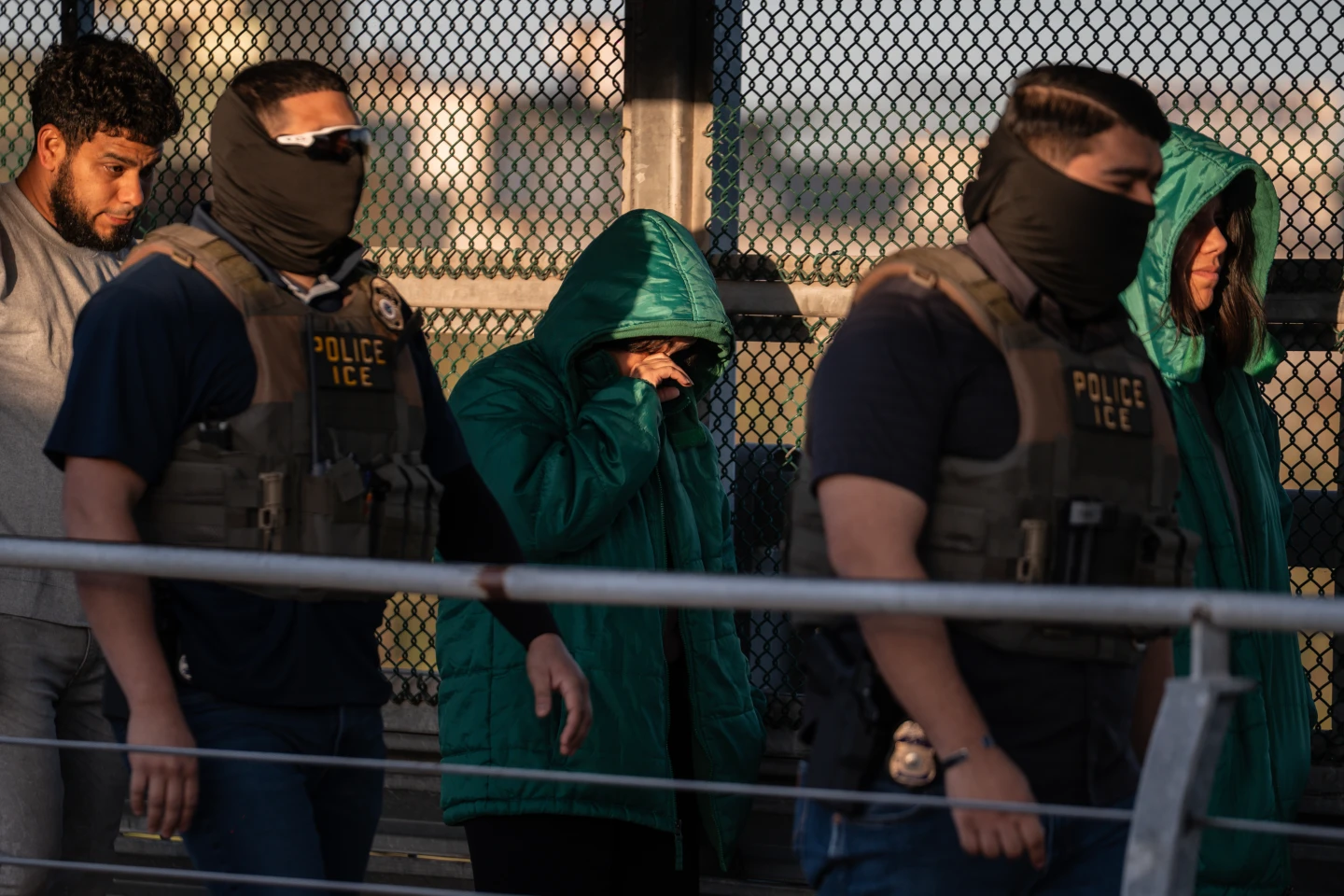
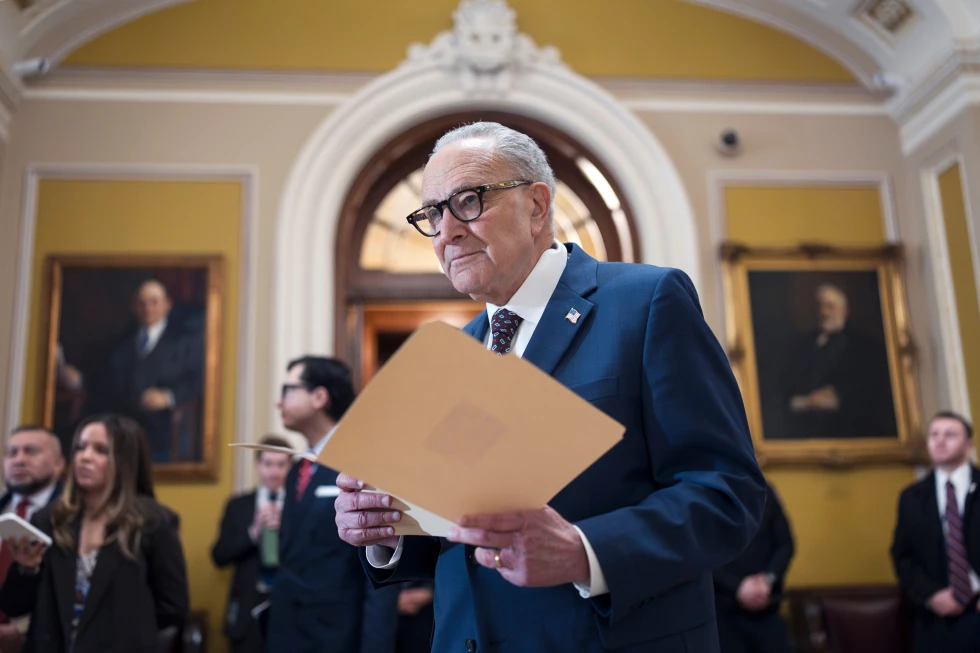
This development comes after two protesters were killed by federal agents in Minneapolis, prompting outrage from the Democratic party, which has vowed to fight against the spending bill if their demands for immigration policy reforms are not addressed. Senate Majority Leader John Thune indicated that there are significant challenges on both sides, while Senate Democratic Leader Chuck Schumer referred to the situation as a moment of truth.
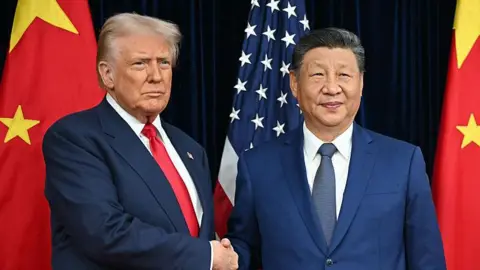
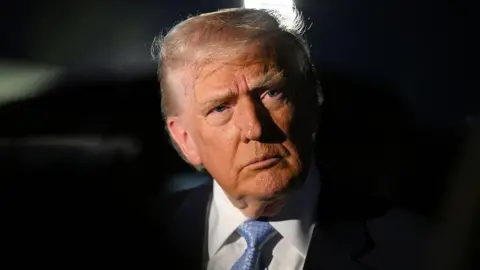
President Trump took to social media to encourage both parties to support the spending deal while emphasizing the need to avoid a shutdown. However, key senators, including Lindsey Graham, have expressed concerns about specific provisions related to immigration enforcement.
Democratic leaders are calling for concrete changes to ICE practices, including ending roving patrols in cities, requiring accountability through enforceable conduct codes for agents, and implementing body cameras. Despite a level of cooperation from some Republicans following the violent incidents, deep divisions remain regarding the extent of the proposed reforms and whether to enhance the agency’s oversight.
As the deadline looms, House Speaker Mike Johnson has indicated that the House may have to convene rapidly to address any legislation passed by the Senate. Johnson's position reflects the broader uncertainty and urgency as lawmakers face the prospect of another government shutdown, exacerbated by a recent history of partisan disputes.