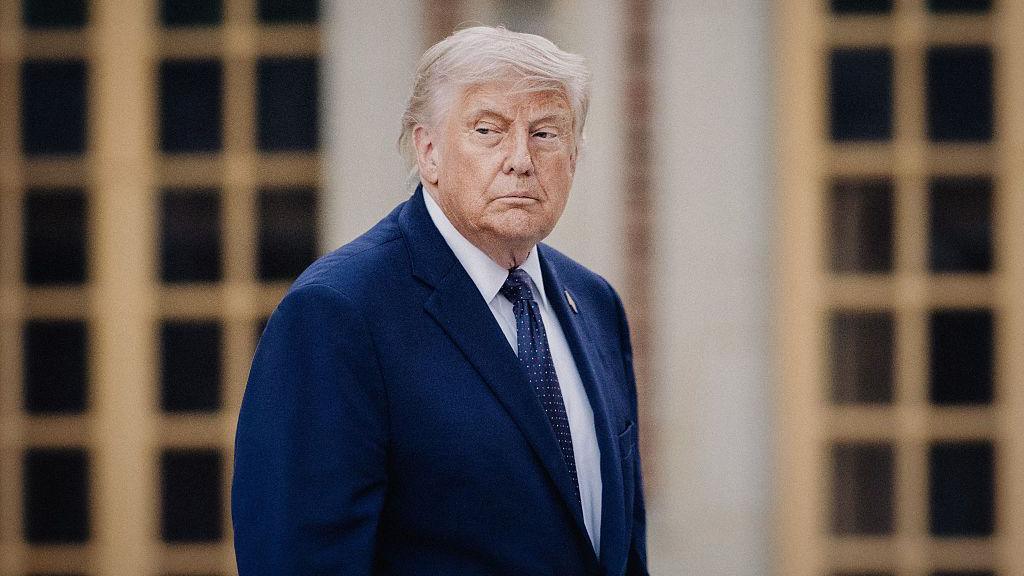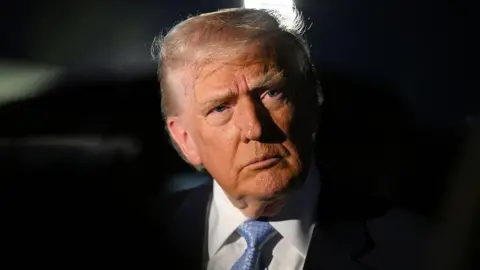
Throughout his two terms in office, U.S. President Donald Trump has not been shy to criticize – even to attack – Washington's NATO allies. However, his latest suggestion – that failing to secure the Strait of Hormuz would be 'very bad for the future of NATO' – implies an understanding of the alliance's purpose that has raised eyebrows.
'NATO was created as a… defensive alliance,' Gen Sir Nick Carter, former chief of the Defence Staff, told the BBC on Monday. 'It was not an alliance that was designed for one of the allies to go on a war of choice and then oblige everybody else to follow… I'm not sure that's the sort of NATO that any of us wanted to belong to.'
Coming from a president who only two months ago made strident claims to Greenland, the sovereign territory of a fellow NATO member, there is irony in the remarks. Such statements come amid a backdrop where some governments have made blunt responses; in Germany, a government spokesman said the war with Iran had 'nothing to do with NATO,' and Defense Minister Boris Pistorius questioned what Trump expected from European nations amid this crisis.
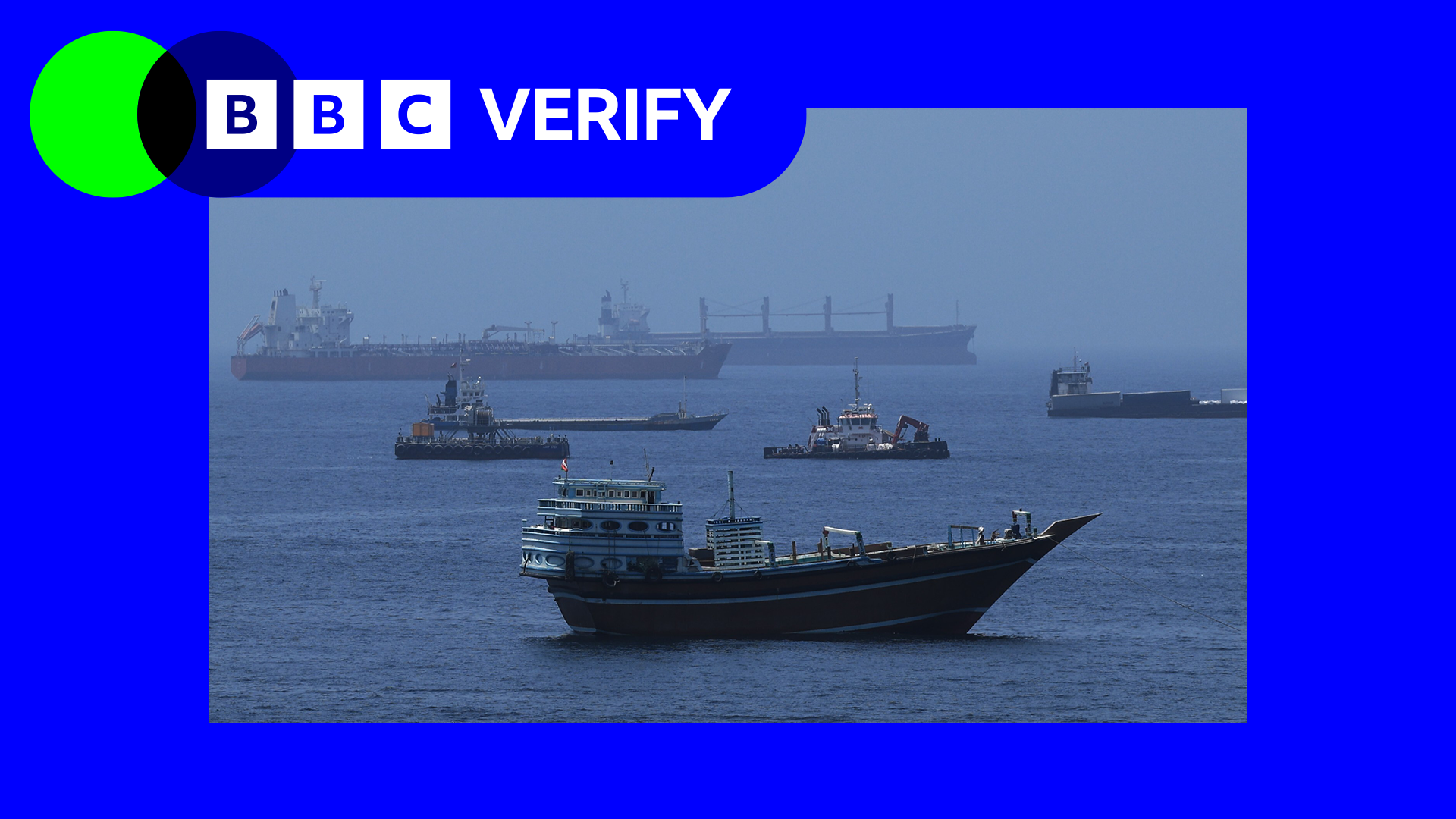
'What does Trump expect from a handful of European frigates that the powerful U.S. Navy cannot do?' he asked, emphasizing, 'This is not our war. We have not started it.' Despite these protests from allies, there is an urgent and growing need for a solution to the crisis in the Gulf as Iran effectively blocks the Strait of Hormuz, leaving Western governments scrambling for answers.
UK Prime Minister Sir Keir Starmer noted at a news conference that discussions were ongoing with U.S. and European partners to find a 'viable plan,' but stated that 'we are not at the point of decisions yet.' As tensions escalate, nations contemplate the feasibility of military interventions or searches for de-escalation, indicating that Trump’s allies are wary of a swift resolution to the complications posed by Iran's actions. In summary, while the situation is pressing, there is no clear or quick remedy in sight.
'NATO was created as a… defensive alliance,' Gen Sir Nick Carter, former chief of the Defence Staff, told the BBC on Monday. 'It was not an alliance that was designed for one of the allies to go on a war of choice and then oblige everybody else to follow… I'm not sure that's the sort of NATO that any of us wanted to belong to.'
Coming from a president who only two months ago made strident claims to Greenland, the sovereign territory of a fellow NATO member, there is irony in the remarks. Such statements come amid a backdrop where some governments have made blunt responses; in Germany, a government spokesman said the war with Iran had 'nothing to do with NATO,' and Defense Minister Boris Pistorius questioned what Trump expected from European nations amid this crisis.
'What does Trump expect from a handful of European frigates that the powerful U.S. Navy cannot do?' he asked, emphasizing, 'This is not our war. We have not started it.' Despite these protests from allies, there is an urgent and growing need for a solution to the crisis in the Gulf as Iran effectively blocks the Strait of Hormuz, leaving Western governments scrambling for answers.
UK Prime Minister Sir Keir Starmer noted at a news conference that discussions were ongoing with U.S. and European partners to find a 'viable plan,' but stated that 'we are not at the point of decisions yet.' As tensions escalate, nations contemplate the feasibility of military interventions or searches for de-escalation, indicating that Trump’s allies are wary of a swift resolution to the complications posed by Iran's actions. In summary, while the situation is pressing, there is no clear or quick remedy in sight.