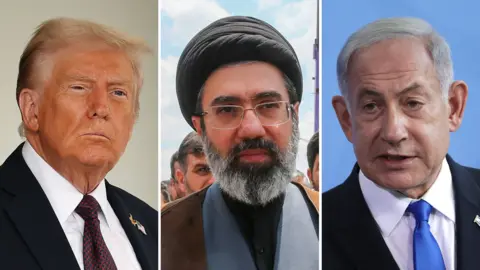
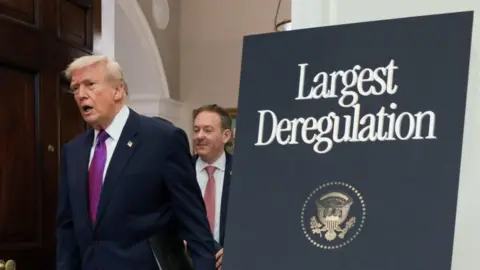
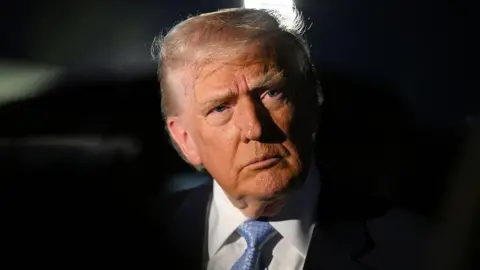
Throughout his two terms in office, Donald Trump hasn't been shy to criticize – even attack – Washington's NATO allies. But his latest suggestion – that failing to secure the Strait of Hormuz would be 'very bad for the future of NATO' – implies an understanding of the alliance's purpose that has already raised eyebrows. Gen Sir Nick Carter, former Chief of the Defence Staff, remarked that NATO is a defensive alliance, and it's unclear if it should obligate members to participate in a conflict initiated by one of its allies. Responses from European leaders have been blunt; Germany's government has stated that NATO has no role in the conflict with Iran, while the UK's Defence Minister questioned the effectiveness of European forces in a maritime conflict against Iran. Despite Trump's provocative comments, many allies are hesitant and prefer de-escalation as the path forward. As discussions continue among UK and US officials about a potential joint operational plan, the lack of a decisive strategy raises concerns about the looming economic impacts stemming from the crisis in the Gulf. With the need for a quick resolution growing, it’s clear there is no easy fix to this escalating situation.
Allies Hesitate as Trump Faces Iranian Crisis
Allies Hesitate as Trump Faces Iranian Crisis
Tensions rise as NATO allies struggle to formulate a unified response to Donald Trump's aggressive stance on Iran and its strategic Strait of Hormuz.
Donald Trump's latest comments on the Strait of Hormuz have sparked concern among NATO allies, highlighting the complexities of international military assistance amidst rising tensions with Iran. Despite urgent calls for a joint strategy, European leaders exhibit reluctance toward military involvement, suggesting a cautious approach in facing the unfolding situation.