For the last fortnight, as drones and missiles have whistled through the skies above Iran and the Gulf, air traffic controllers have been shepherding passenger jets through safer but congested airspace on the edge of the war.
A glance at a flight tracker map shows how busy Egypt and Georgia have become.
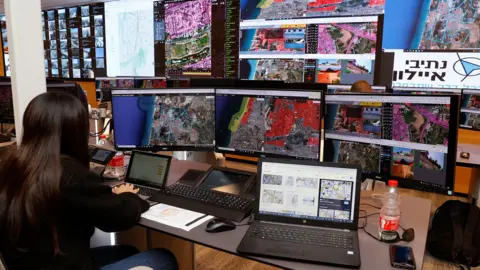
Working side-by-side, each controller looks after a different section of the map, co-ordinating with colleagues which planes are entering and leaving their airspace. On a normal day, an individual controller might manage six aircraft in their area at a time. But in times of war, that number can double.
The brain can only give that amount of concentration at that level of intensity for 20-30 minutes, says retired air traffic controller, Brian Roche, who emphasizes the demands on controllers handling emergency situations.
Controllers often work in shorter shifts during busy periods, ensuring they aren't overwhelmed by the traffic. Recent history highlights the pivotal role they play; for instance, the tragic downing of Malaysia Airlines MH17 reminds us how geopolitical tension can turn airspace into potentially dangerous territory.
When airspace is congested, controllers expertly manage the movement of aircraft, ensuring that larger planes do not disrupt smaller ones and vice-versa.
Pilots, aware of potential conflicts, prepare for possible airspace restrictions by planning ahead and carrying extra fuel. Efficient communication and adherence to operational protocols become paramount in these tense moments.
Ultimately, air traffic control during conflict is a delicate balance of strategy, communication, and intense focus, ensuring that despite the chaos of war on the ground, passenger flights can navigate the skies safely.