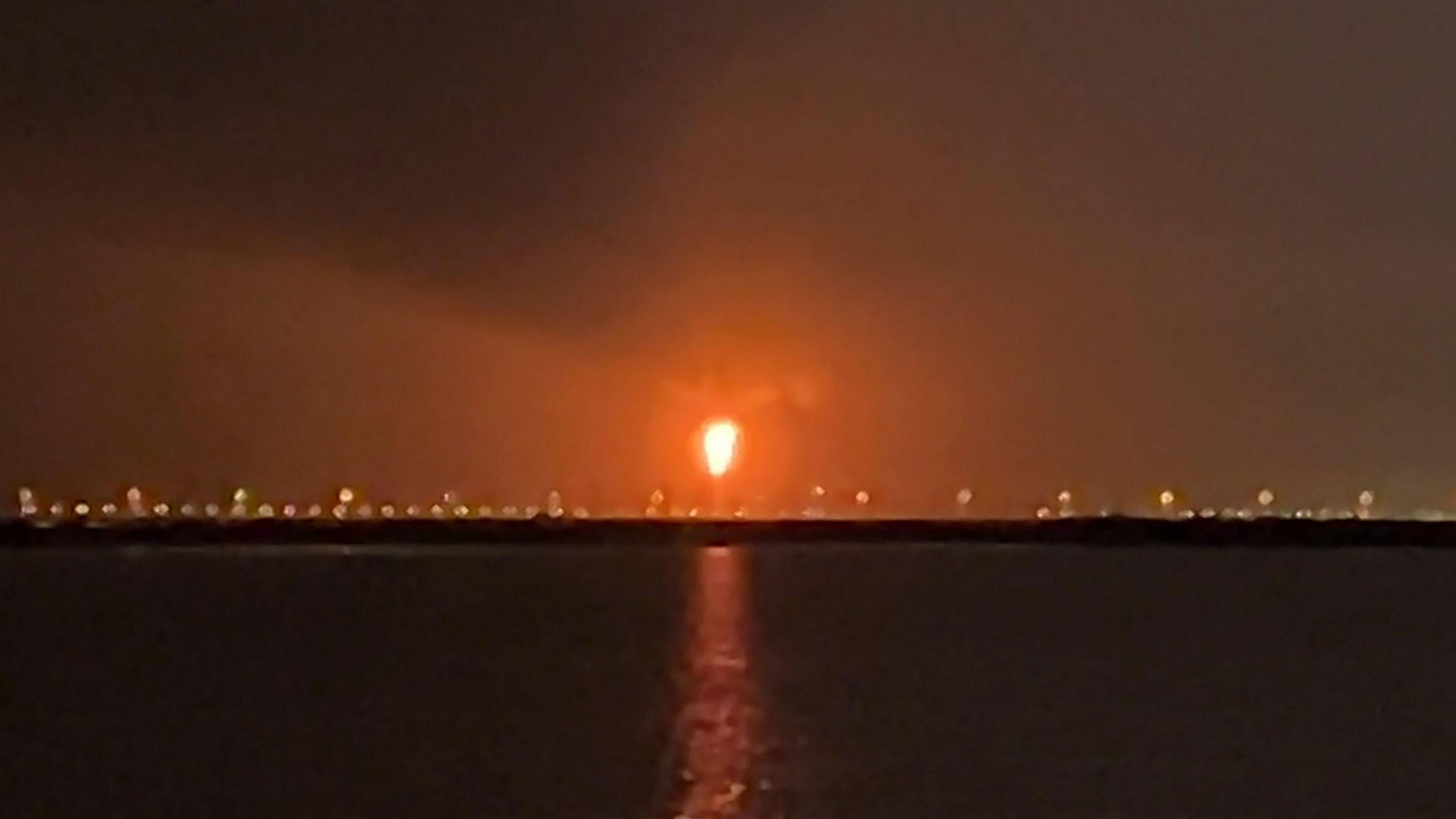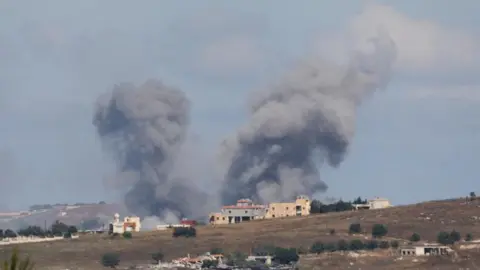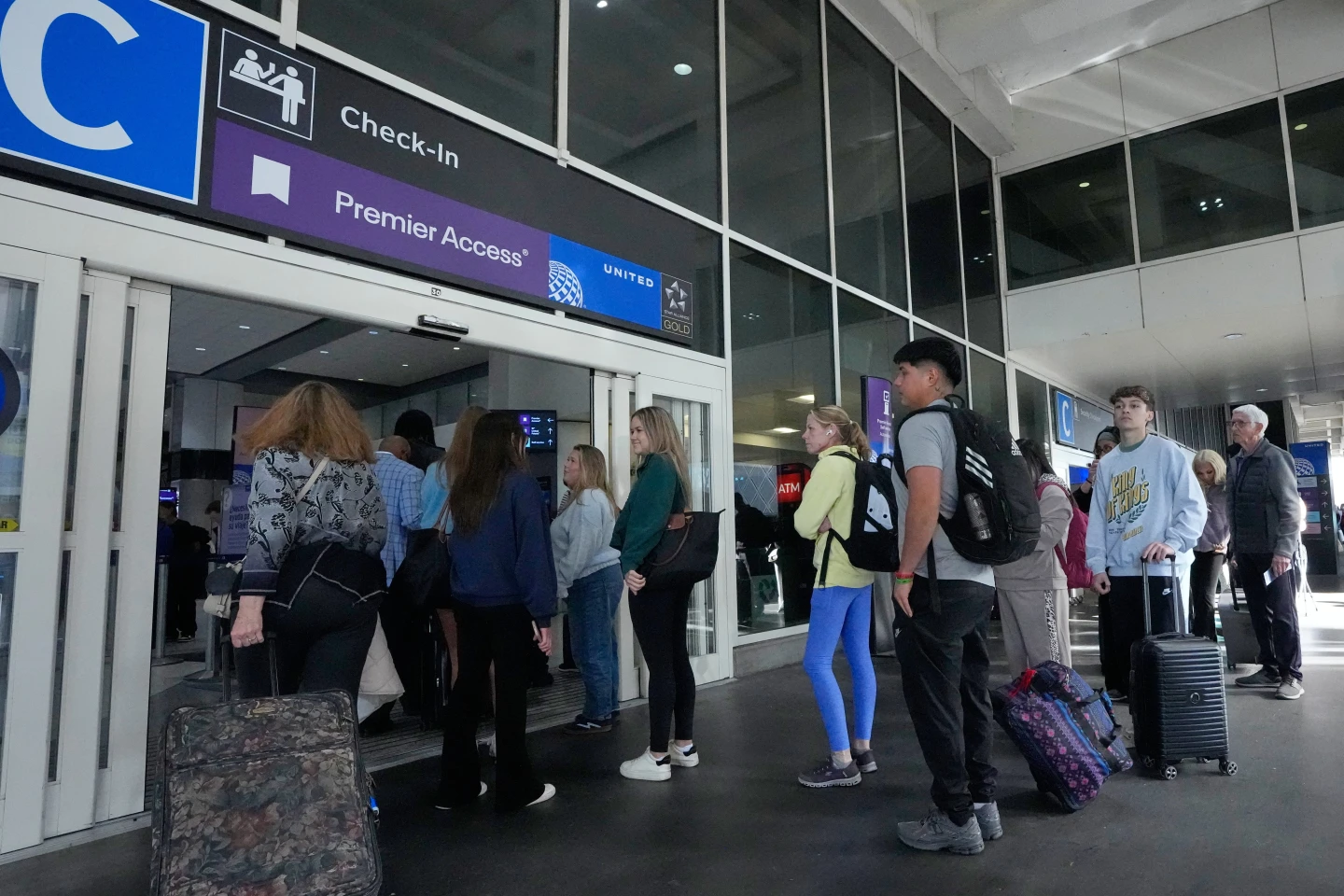
Airlines worldwide have begun canceling flights as the war in the Middle East strains jet fuel supplies and pushes up prices. The impact on travelers extends beyond mere cancellations; they now face a maze of passenger protections that differ dramatically depending on their flight's origin and destination.
Amid the disruptions, travel demand is increasing as summer approaches, particularly with major events like the World Cup expected to exert additional pressure on airports. As Eric Napoli, chief legal officer at AirHelp, notes, “These pressures are arriving at a time when summer travel demand is ramping up.”
Are these cancellations happening at the last minute?
Generally, no. Fuel-related cancellations are typically being announced days or weeks in advance, allowing travelers more time to adjust their plans compared to sudden weather-related disruptions. For example, Lufthansa recently announced the cancellation of 20,000 short-haul flights through October.
My flight was canceled. What should I do first?
It's essential to check your airline's app or website immediately for rebooking options. If you're booked with a U.S. carrier, this is often the quickest way to find a new seat. For non-U.S. airlines, be prepared to explore various channels, including customer service and airport desks.
Do I have the right to a refund or a new flight?
In most situations, yes. Airlines usually provide either a refund or offer to rebook onto the next available flight. In the U.S., passengers are entitled to a complete refund if their flight is canceled, irrespective of the cause.
Are passenger rights the same everywhere?
No, protections vary significantly. Europe offers robust passenger rights, while standards in the U.S. and Canada tend to be more limited. As a result, if you're flying internationally, understanding the specific policies of your carrier based on your route is crucial.
How can I prepare before a trip to avoid headaches?
Sign up for flight alerts, ideally book directly with the airline, and familiarize yourself with your options. This knowledge can mitigate stress and confusion when unexpected changes arise.
Any tips to avoid getting stuck?
Book early in the day to maximize rebooking options if issues arise, and consider using flight-tracking apps that provide faster notifications than airlines may send. Lastly, a courteous demeanor when dealing with airline agents can foster better communication.
As Napoli emphasizes, this shortage is impacting not just airlines but also travelers, and it's essential to be informed as the situation evolves.