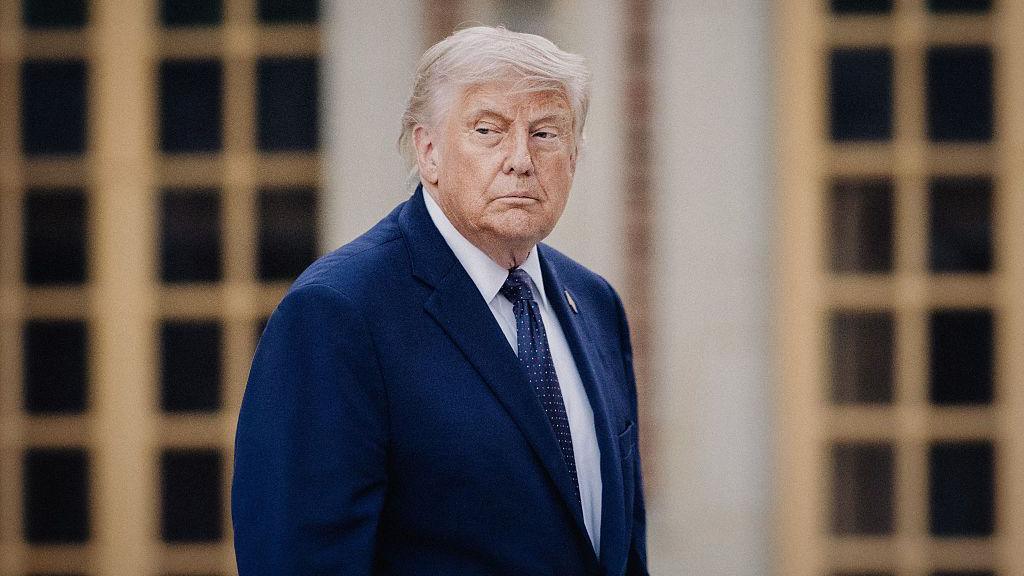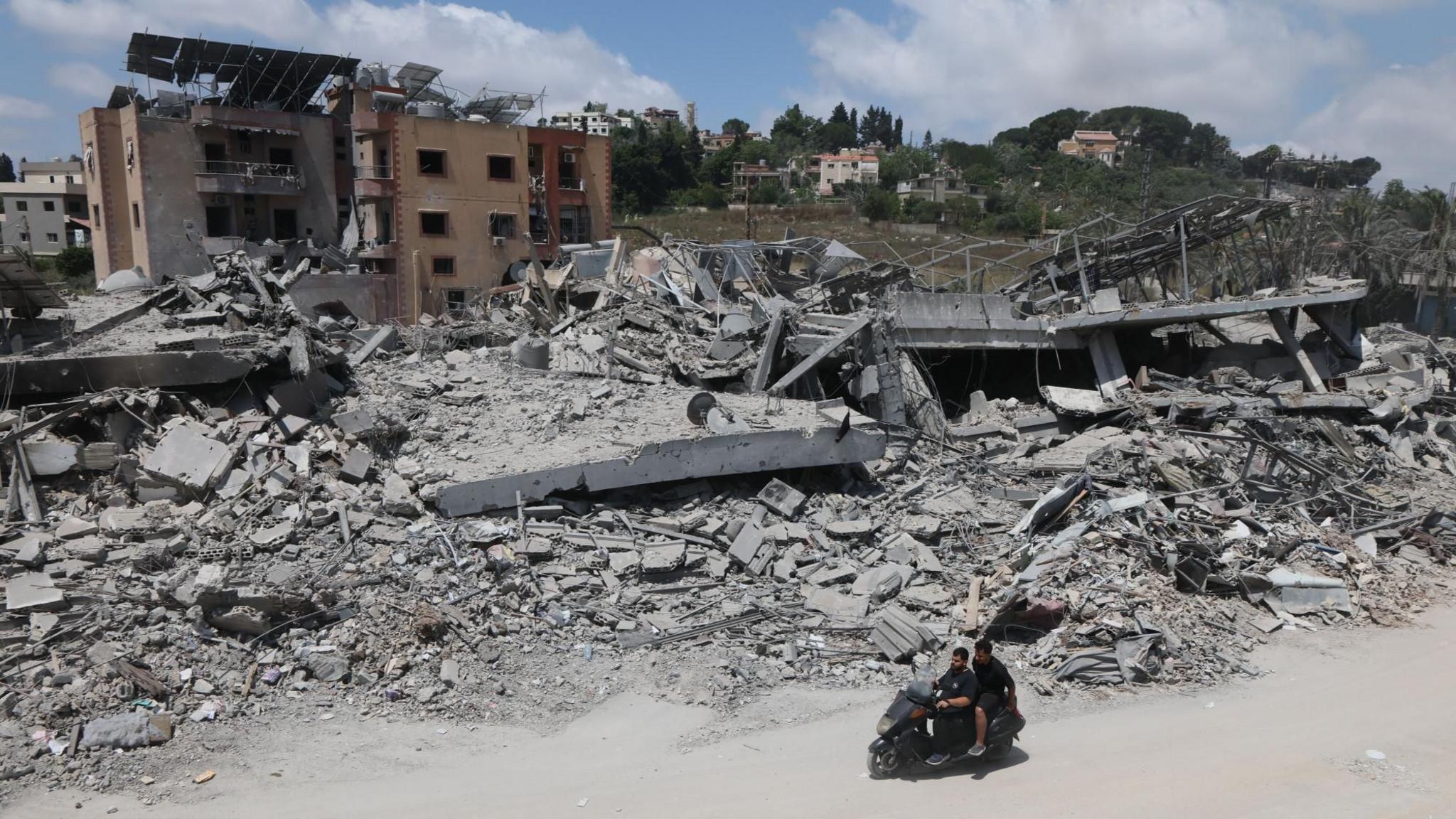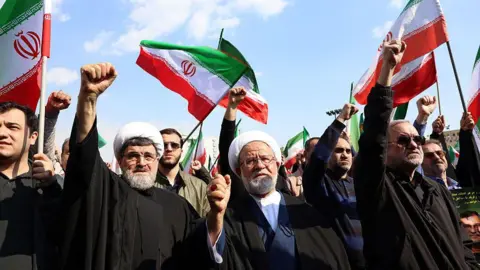
In response to ongoing military actions led by the US and Israel, Iran's regime appears steadfast, drawing from a historical precedent of survival against perceived external threats. Recent remarks from President Donald Trump about the potential destruction of Iran's military capabilities were juxtaposed with ongoing threats of escalated conflict, suggesting an unclear yet forceful stance from the US.
While Trump claimed substantial success in crippling Iran's military infrastructure, analysts argue that the organizational integrity and leadership structure within Iran remain intact. The leadership, including President Masoud Pezeshkian and Parliament Speaker Mohammad Bagher Ghalibaf, continues to function without fundamental changes.
Despite the loss of key commanders, replacements have emerged from within the same ideological ranks. This transition appears to forge a resilient regime rather than a reformed one, leading to a narrative of endurance rather than defeat.
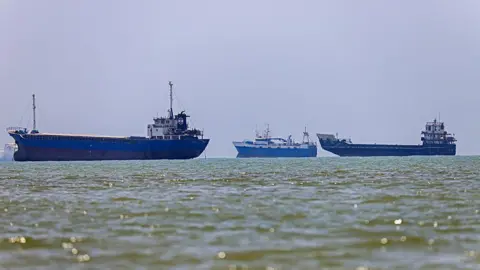
Trump's insistence on 'regime change' contradicts the reality on the ground, where authority and governance in Tehran persist largely unchanged. Strategic aim for the Islamic Republic remains firmly embedded in survival tactics, with Iran retaining control over critical chokepoints like the Strait of Hormuz which is vital for global energy supplies.
Washington faces a complex dilemma: disengagement risks affirming Iran's perseverance, while continued involvement could deepen US entanglement without a clear pathway to success. The internal dynamics of Iran, coupled with its long-standing strategies against greater military powers, deliver a message of resilience that shifts regional stability calculations.
In conclusion, as the conflict unfolds, the Iranian regime's robust survival capacity continues to shape its responses, leaving observers to consider the implications for US foreign policy and regional dynamics.