In brief
The Supreme Court is set to hear arguments concerning President Donald Trump's executive order that seeks to limit birthright citizenship for children born to undocumented or temporarily residing parents in the U.S. This case follows a lower court ruling against the order and is expected to clarify the breadth of executive power and the interpretation of the 14th Amendment. A final ruling is anticipated by early summer.
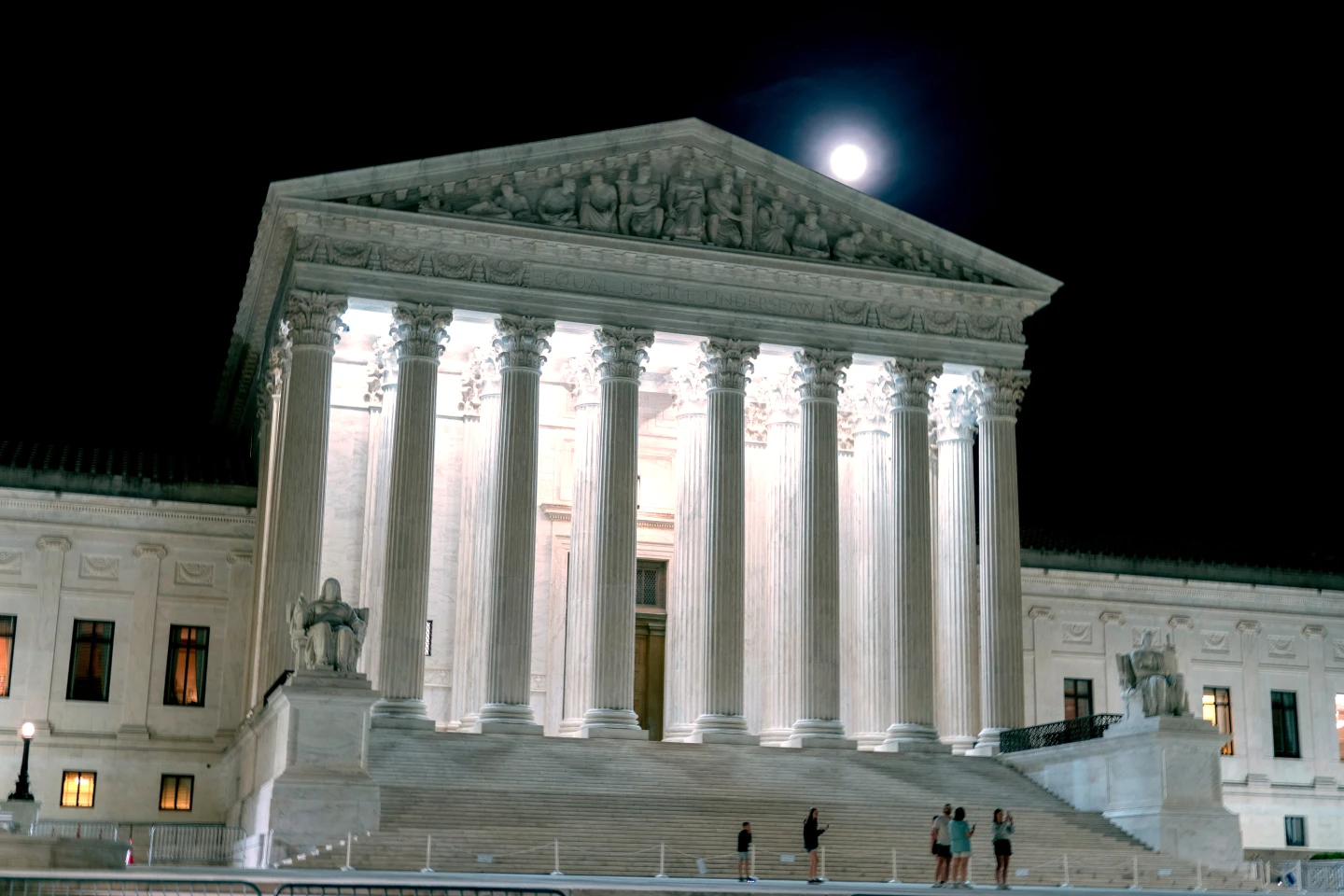
WASHINGTON (RTW) — The U.S. Supreme Court is preparing to address one of the most significant cases of the term: President Donald Trump's executive order concerning birthright citizenship. This directive posits that children born in the U.S. to parents who are undocumented or present temporarily do not qualify for American citizenship.
During the hearings on Wednesday, the justices will consider Trump's appeal against a New Hampshire ruling which invalidated parts of the order. Similar decisions from various courts have thus far blocked the order from being implemented nationwide.
This case marks a critical examination of Trump's assertions of executive authority, especially since he will be the first sitting president to attend the Supreme Court's oral arguments.
The birthright citizenship order, which was enacted on Trump's first day of his second term, aligns with his administration's broader immigration policies.
Anticipated to issue a ruling by early summer, the case has ignited considerable public interest and debate over the implications of citizenship rights extending from the Constitution's 14th Amendment, which has historically granted citizenship to all individuals born on U.S. soil, save for a few exceptions.
Trumps's administration argues that the definition of 'jurisdiction' under the amendment excludes children born to noncitizens. However, challengers, including the ACLU, contend that altering this interpretation poses a radical shift to citizenship norms in America, impacting over 250,000 births annually.
As the nation awaits the Court's verdict, the case encapsulates critical discussions on immigration, citizenship, and the power dynamics between branches of government.