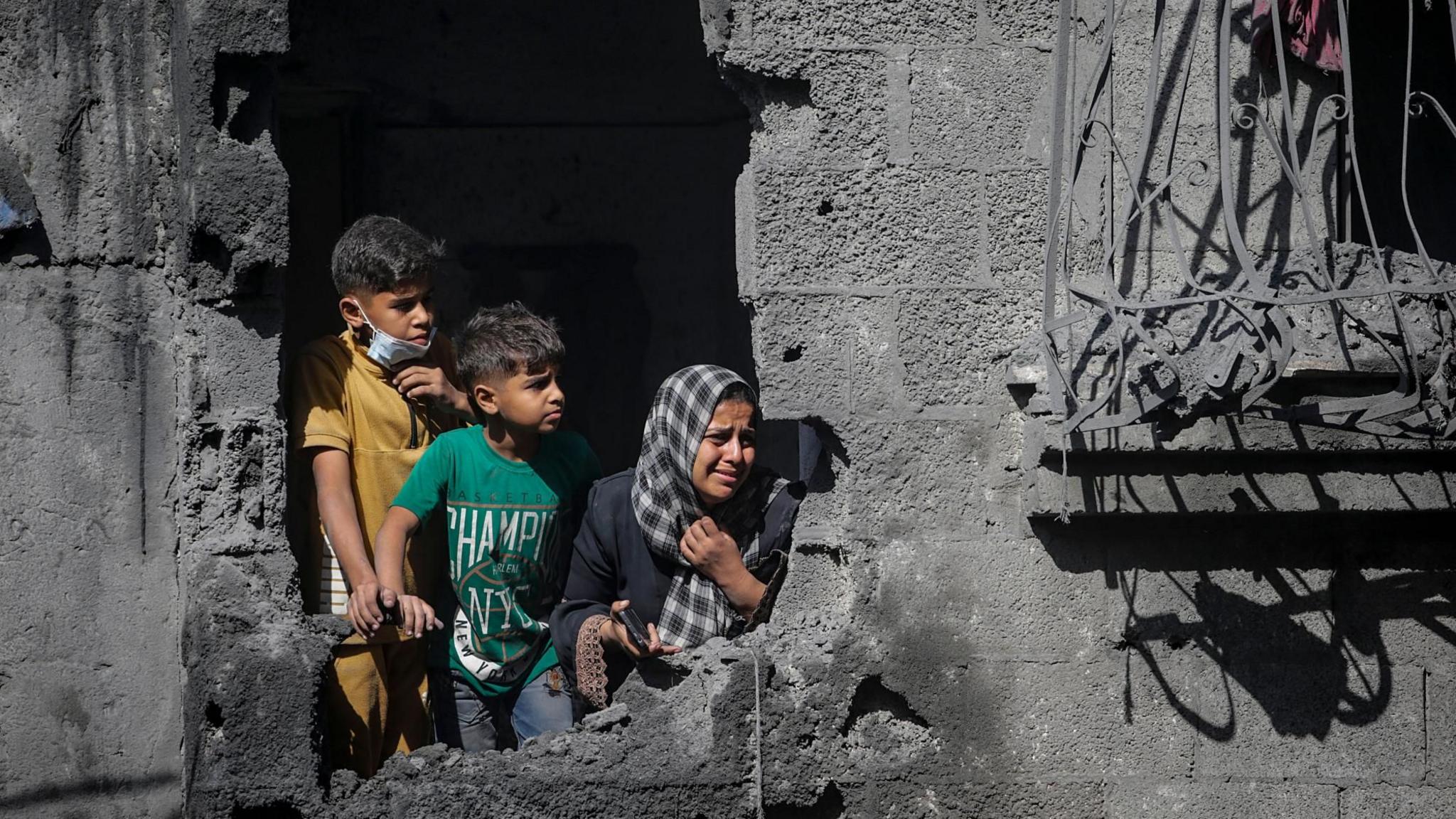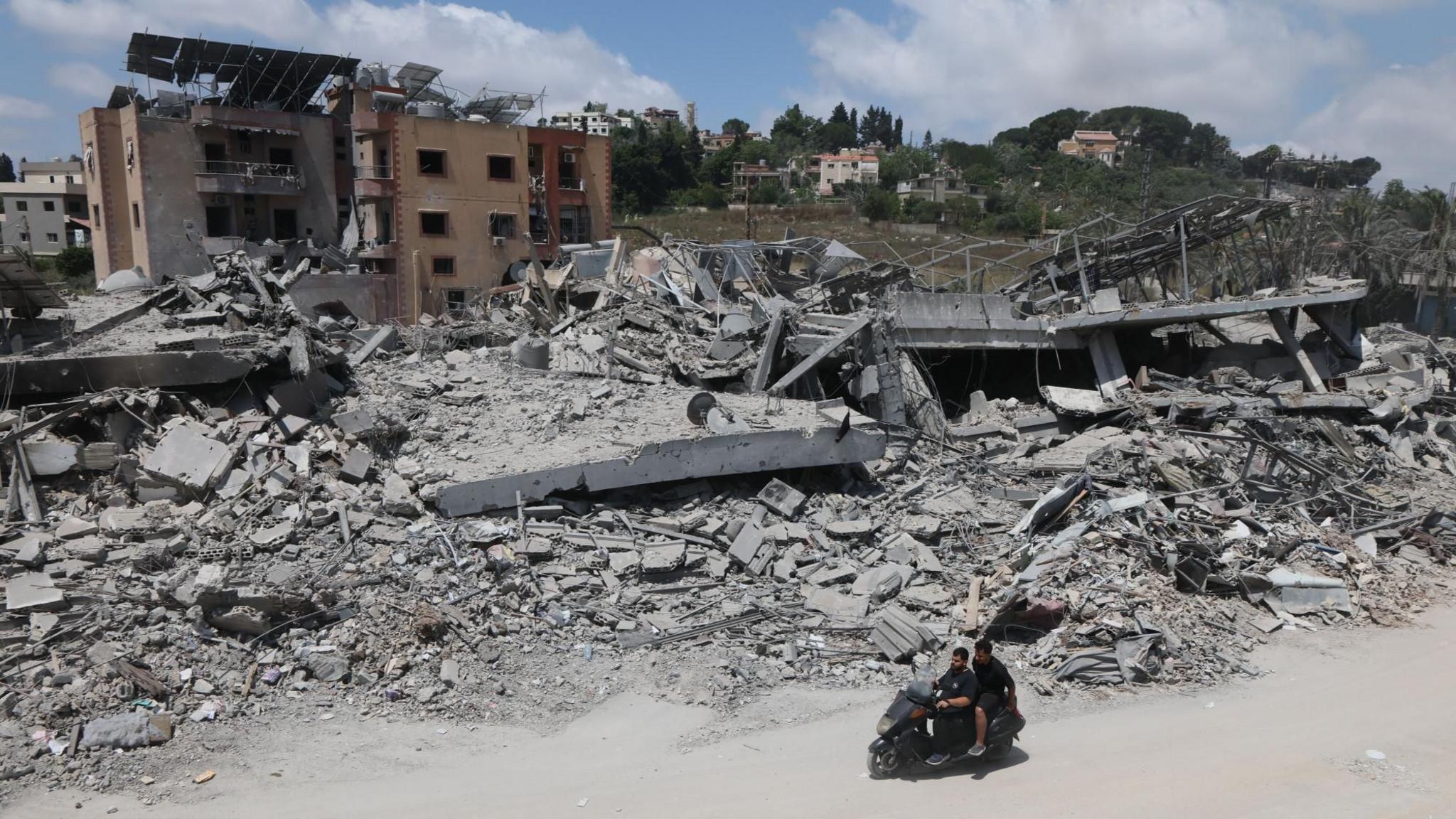
As the war in the Middle East enters its second month, choking the world's energy supply and sending oil prices soaring, China is trying to step in as a peacemaker.
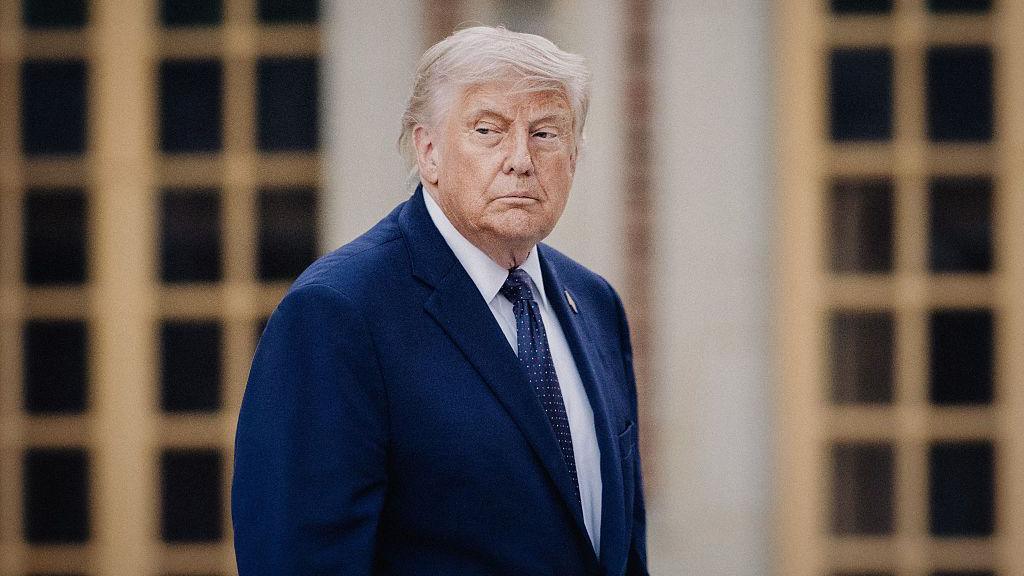
This comes as President Donald Trump states US military action against Iran could end in "two to three weeks," yet the details of how that will unfold remain unclear.
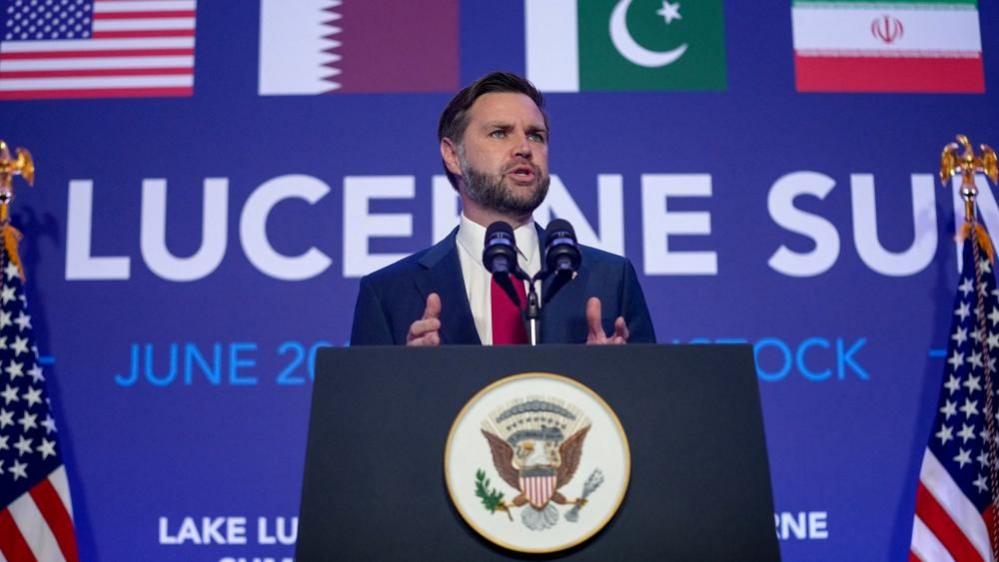
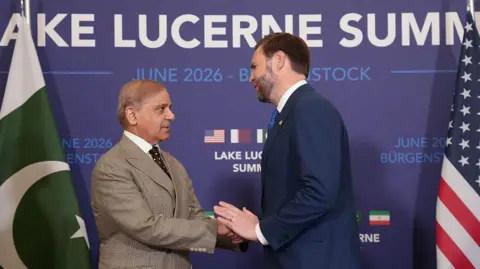
China joins Pakistan, which is emerging as an unlikely mediator amid the US-Israel conflict against Iran. Officials in Beijing and Islamabad have outlined a five-point plan aiming for a ceasefire and a reopening of the crucial Strait of Hormuz.
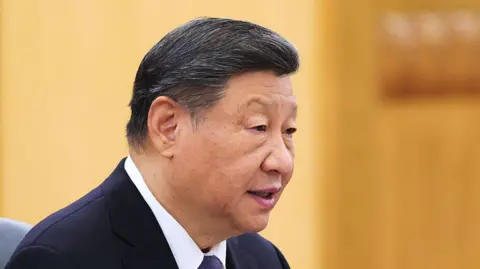
Pakistan, a former US ally, appears to have gained Trump’s trust to facilitate negotiations. Meanwhile, Beijing is stepping in as a competing power to Washington as crucial trade discussions between Chinese leader Xi Jinping and Trump approach.
Middle East expert Zhu Yongbiao asserts China's involvement is significant, stating, "Morally, politically and diplomatically, China is providing comprehensive support with the hope that Pakistan can play a more distinctive role."
Though previously muted, China’s response to the Iran war is now critical as stability is essential for its economic interests. With the escalating conflict, China views the need for peace as vital to prevent an energy crisis that would impact its economy.
China's peace plan followed a visit from Pakistan’s foreign minister to Beijing, where both nations sought collaborative measures for peace. Their joint statement emphasized that dialogue and diplomacy are the only viable pathways to conflict resolution.
Beijing has enough oil reserves to withstand short-term disruptions, but it is nonetheless concerned about prolonged instability damaging the global economy, which relies heavily on trade.
China’s major imports and investments in the Middle East must be safeguarded, demonstrated by its historical partnerships and recent activities in the region. It serves as Iran’s primary trading partner, acquiring about 80% of its oil.
China's history as a mediator includes successes like the recent rapprochement between Saudi Arabia and Iran and fostering talks among Palestinian factions. However, its commitments lack security guarantees, as China's role traditionally emphasizes economic interests over military obligations.
Despite the challenges and criticisms of its human rights record, China continues to project power and influence through financial ties, stabilizing its economic engine.
As the situation evolves, China’s strategic positioning contrasts markedly with the US’s position, highlighting its aspirations for greater influence in the region and commitment to economic stability.