NATO has reaffirmed that there are no provisions for member states to be suspended or expelled from the military alliance, following a report indicating that the US could seek to impose sanctions on Spain due to its position on the Iran conflict.
The report, cited by Reuters, references an internal Pentagon email suggesting measures to punish perceived allies that have not adequately supported US military goals. This includes the review of the United Kingdom's claims to the Falkland Islands in the South Atlantic, a territory also claimed by Argentina.
A NATO official confirmed to the BBC that the organization's foundational treaty does not allow for suspension or expulsion of its members.
Spain's Prime Minister, Pedro Sanchez, has downplayed the report, stating, We do not work based on emails. We work with official documents and official positions taken, in this case, by the government of the United States. He further emphasized Spain's commitment to cooperation with allies, provided it aligns with international law.
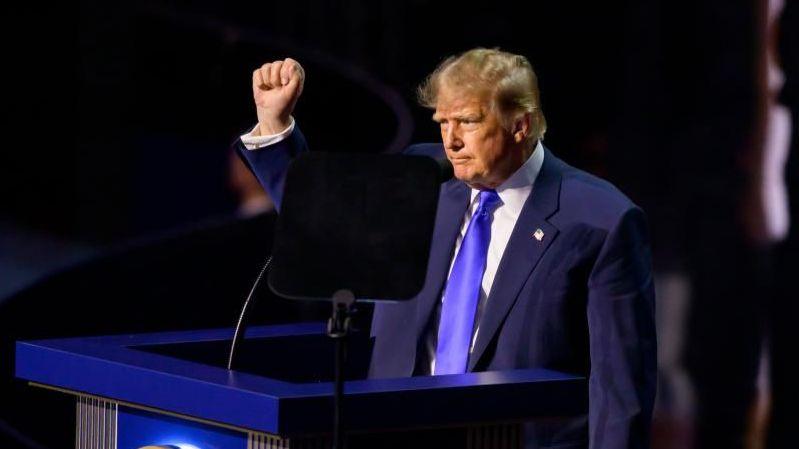
The ongoing tensions date back to a criticism from former President Donald Trump, who has called out NATO allies for not contributing enough to joint military efforts. Similarly, the UK Prime Minister Keir Starmer highlighted that a more prominent role in the Iran conflict does not align with the UK's interests, despite allowing US access to British military bases for strikes on Iranian targets.
As political discussions continue, NATO members are navigating complex diplomatic relationships, with Spain maintaining its refusal to permit the use of its airbases for military operations against Iran, despite the US maintaining two military bases in the country.
Trump's assertions about NATO being a one-way street further illustrate the challenges the alliance faces concerning member commitment and cooperation in international conflicts.