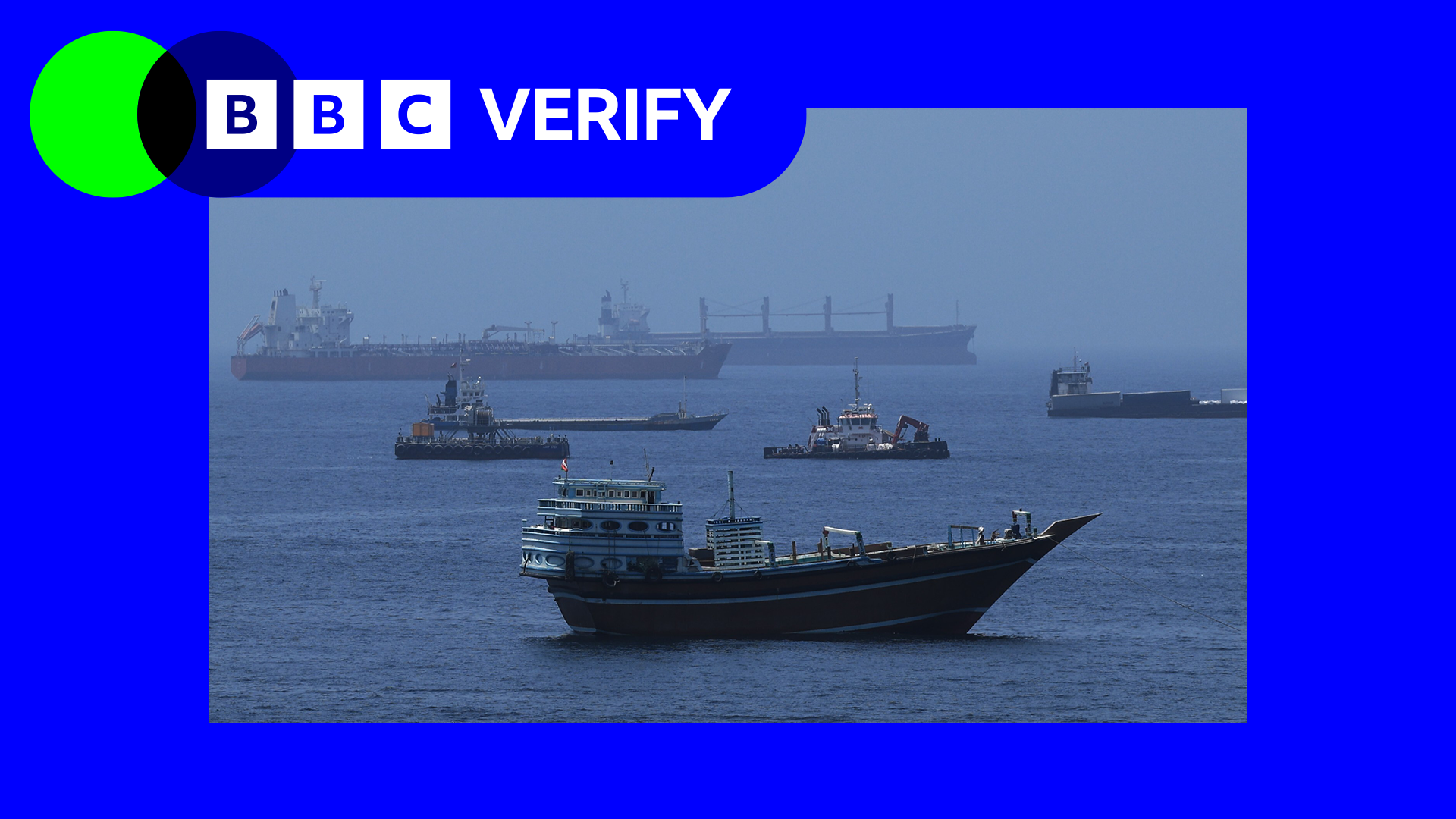
With the ceasefire between Iran, the US, and Israel due to expire, the region is now embroiled in what can be termed a 'war of blockades,' particularly impacting the critically important Strait of Hormuz. Recently, the US President controversially indicated that the ceasefire remains, but expressed concerns regarding Iran's actions and intentions.
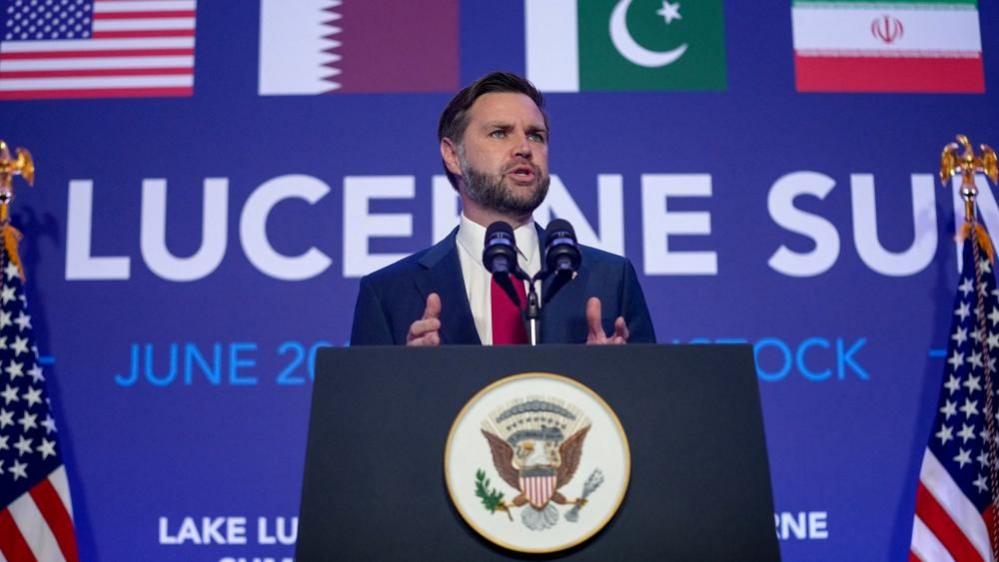
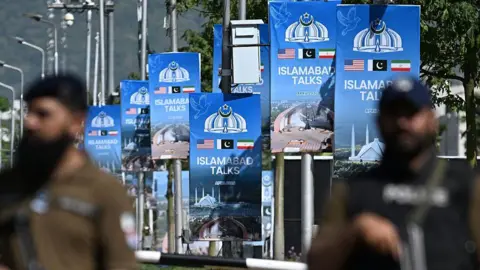
The situation in the Strait is tense as both nations engage in acts of force to intercept commercial shipping, raising fears of a potential military escalation. Pakistan is attempting to mediate negotiations, but representatives from Iran and the US have yet to arrive in Islamabad for talks. While preparations for high-level discussions were underway, the mood in the city reflects a noticeable decline in optimism that an agreement can be reached.
Prime Minister Shehbaz Sharif has emphasized his commitment to facilitating these discussions, announcing Pakistan's determination to pursue a negotiated resolution. However, as speculation grows regarding the complexity of the ongoing negotiations and the potential for escalation, the critical question remains: will diplomatic efforts succeed amidst escalating tensions, or will we witness a further deterioration of US-Iran relations?
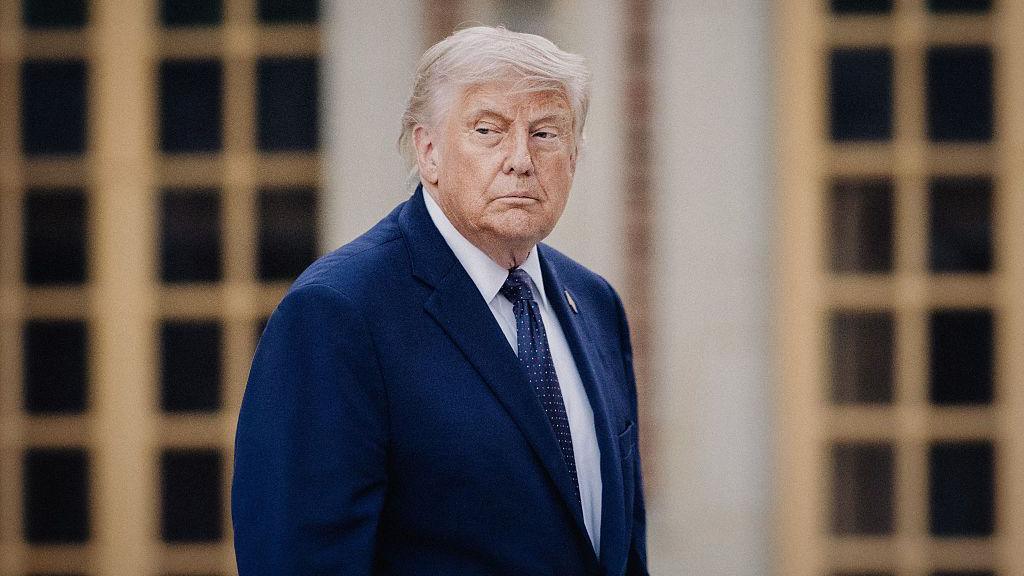
Donald Trump, amid conflicting messages to the media, suggests a deal may still occur shortly, although this assertion meets skepticism regarding the reality of the situation. As diplomatic avenues remain complex, the challenge persists for Pakistan to emerge as a pivotal player in resolving this potentially explosive conflict.
The situation in the Strait is tense as both nations engage in acts of force to intercept commercial shipping, raising fears of a potential military escalation. Pakistan is attempting to mediate negotiations, but representatives from Iran and the US have yet to arrive in Islamabad for talks. While preparations for high-level discussions were underway, the mood in the city reflects a noticeable decline in optimism that an agreement can be reached.
Prime Minister Shehbaz Sharif has emphasized his commitment to facilitating these discussions, announcing Pakistan's determination to pursue a negotiated resolution. However, as speculation grows regarding the complexity of the ongoing negotiations and the potential for escalation, the critical question remains: will diplomatic efforts succeed amidst escalating tensions, or will we witness a further deterioration of US-Iran relations?
Donald Trump, amid conflicting messages to the media, suggests a deal may still occur shortly, although this assertion meets skepticism regarding the reality of the situation. As diplomatic avenues remain complex, the challenge persists for Pakistan to emerge as a pivotal player in resolving this potentially explosive conflict.