Suspicion of Insider Trading in Trump's Presidency: A Closer Look
Throughout US President Donald Trump's second term in office, millions of dollars have been wagered by traders just before he makes significant announcements.
An investigation into trade volume data across various financial markets has identified a consistent pattern of trading spikes occurring mere minutes or hours before Trump's major public statements.
Some analysts express concern, suggesting these patterns resemble illegal insider trading, wherein individuals leverage undisclosed information for financial gain. Others argue that an experienced group of traders have simply learned to anticipate Trump's declarations.
Key Trading Incidents
9 March 2026: 'The war is very complete, pretty much'
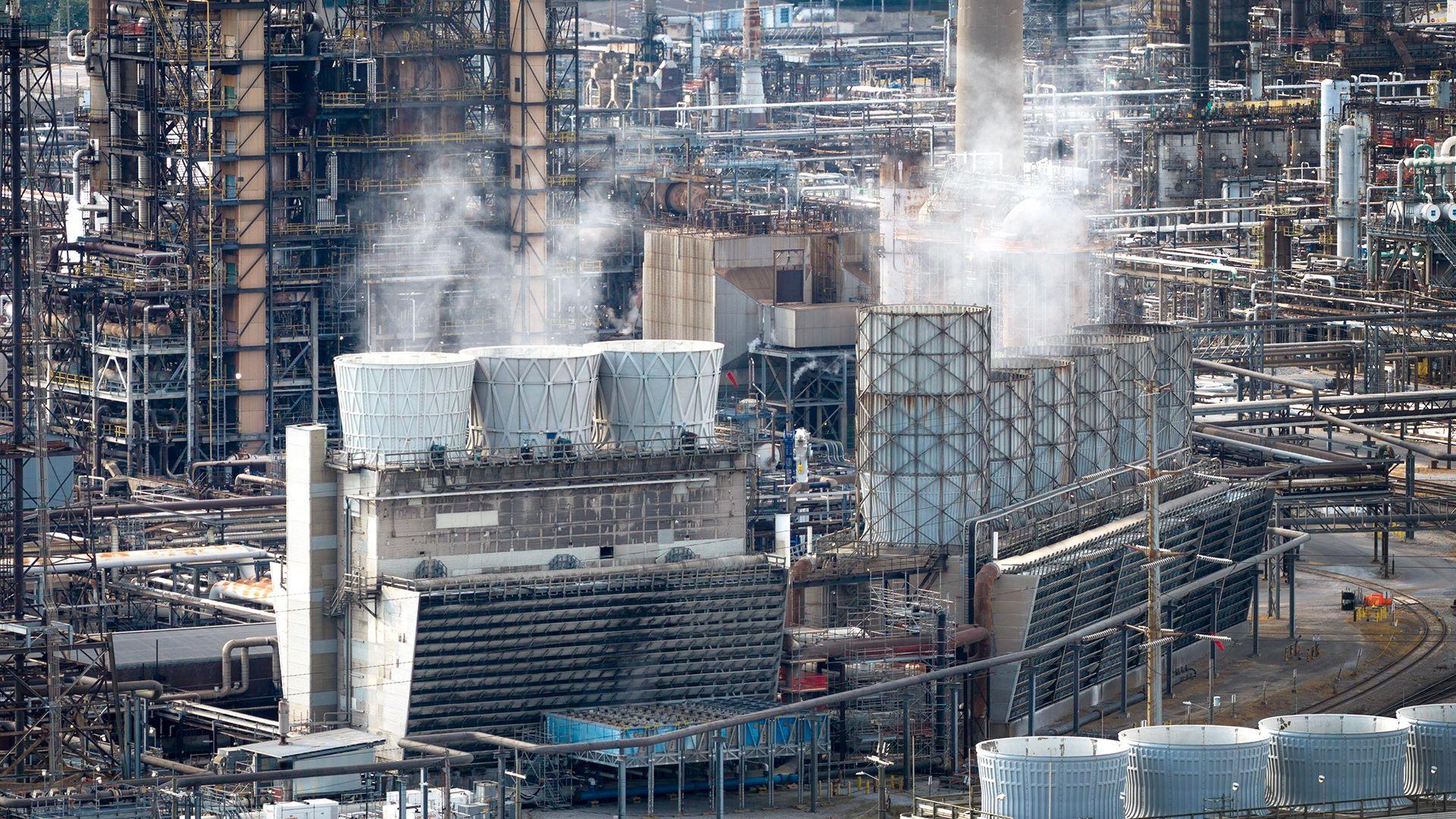
Significant movements in oil trades were noted following Trump's interview with CBS News, where he suggested the ongoing US-Israel conflict with Iran was nearing resolution. Just before the interview went public, traders collected substantial bets on the price of oil falling, resulting in substantial profits when prices plummeted shortly thereafter.
23 March 2026: 'Complete and total resolution to hostilities'
Trump's declaration of 'very good and productive conversations' between the US and Iran also coincided with suspicious trading activity in oil markets, leading to a sharp drop in prices immediately after he made the announcement.
9 April 2025: 'Liberation Day' pause
Trump's announcement of a sweeping tariff implementation was met with a global market plunge, but some traders capitalized on the subsequent 'pause' he declared, which led to a historic market surge.
3 January 2026: Maduro seized
Before a high-stakes event involving Venezuelan President Nicolás Maduro, users on speculation markets placed successful bets on his ousting, raising eyebrows about the motives behind such significant wagers.
28 February 2026: Strikes on Iran
On February 28, six accounts on prediction markets profited just after Trump confirmed US strikes on Iran, garnering a total of $1.2 million, drawing further scrutiny on the interactions between government announcements and trading activities.
Regulatory Responses and Challenges
The SEC has faced calls to investigate these trading patterns, as insider trading has been illegal since the Securities Act of 1933, extended to government officials in 2012. However, proving such cases remains difficult, and no prosecutions have yet been made against any official.
Despite ongoing scrutiny and calls for regulatory action, no definitive evidence of wrongdoing has been confirmed, and the White House has consistently denied any allegations of insider trading linked to Trump's advisors or family members.