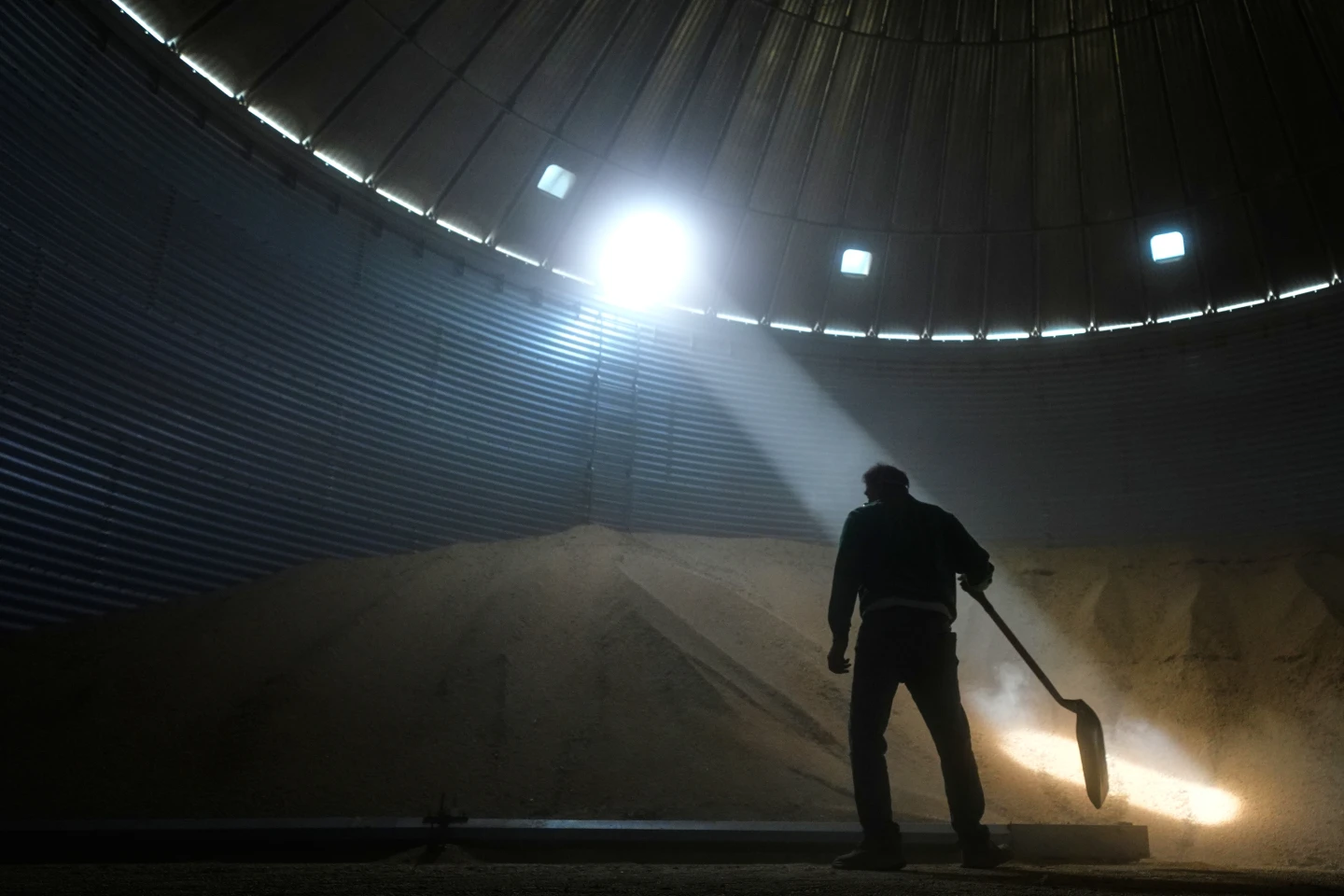
WAHOO, Neb. (RTW) — As a chilly spring breeze rustled through the fields of his family’s farm, Doug Bartek, a dedicated fifth-generation farmer, stood contemplating the impending planting season. At 60 years old, Bartek, chairman of the Nebraska Soybean Association, expressed his concerns about a perfect storm affecting the livelihood of Midwest soybean producers—soaring costs of fuel, equipment, and fertilizer, alongside global supply chain issues stemming from conflicts in the Middle East.
Rising operational costs have left farmers like me in a corner with no visible way out, Bartek lamented, sharing his worries about the high price of input supplies, which have surged while soybean prices remain depressed due to a global oversupply.
The economic tension is not solely a product of domestic policy but also a direct consequence of tumultuous international relations. Tariffs imposed during a previous trade war with China have left many farmers in a precarious financial position, pushing soybean prices even lower.
A lot of producers are pretty nervous going into this year, said Justin Sherlock, who cultivates soybeans in North Dakota and serves as the state's soybean growers association president. It looks like we’re heading for another year of negative returns.
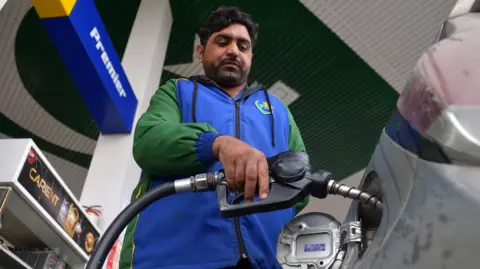
While the market grapples with these challenges, geopolitical factors have disrupted global fertilizer supplies and increased costs further. With the ongoing conflict in the Middle East affecting shipping routes through the Strait of Hormuz, farmers face a compounding crisis as the cost of essential supplies continues to rise.
The repercussions are evident as farmers voice mounting financial concerns. A recent survey indicated that nearly half of the farmers polled feel worst off financially than the previous year, highlighting an industry under pressure from rising input costs against a backdrop of stagnant commodity prices.
Bartek's anxiety about farming's future rings true for many in the industry, compelling a reflection on the long-term effects of rising costs, market volatility, and the stress this places on farming families. With tightening margins, many farmers are seeking ways to sustain their operations amid uncertainties that paint a somber picture of the agricultural landscape.
I've seen farmers forced to sell their businesses due to mounting debts, and it makes you wonder if this is all worth it, Bartek reflected. As plants begin to bloom this spring, the true future of farming remains uncertain for many in the Midwest.