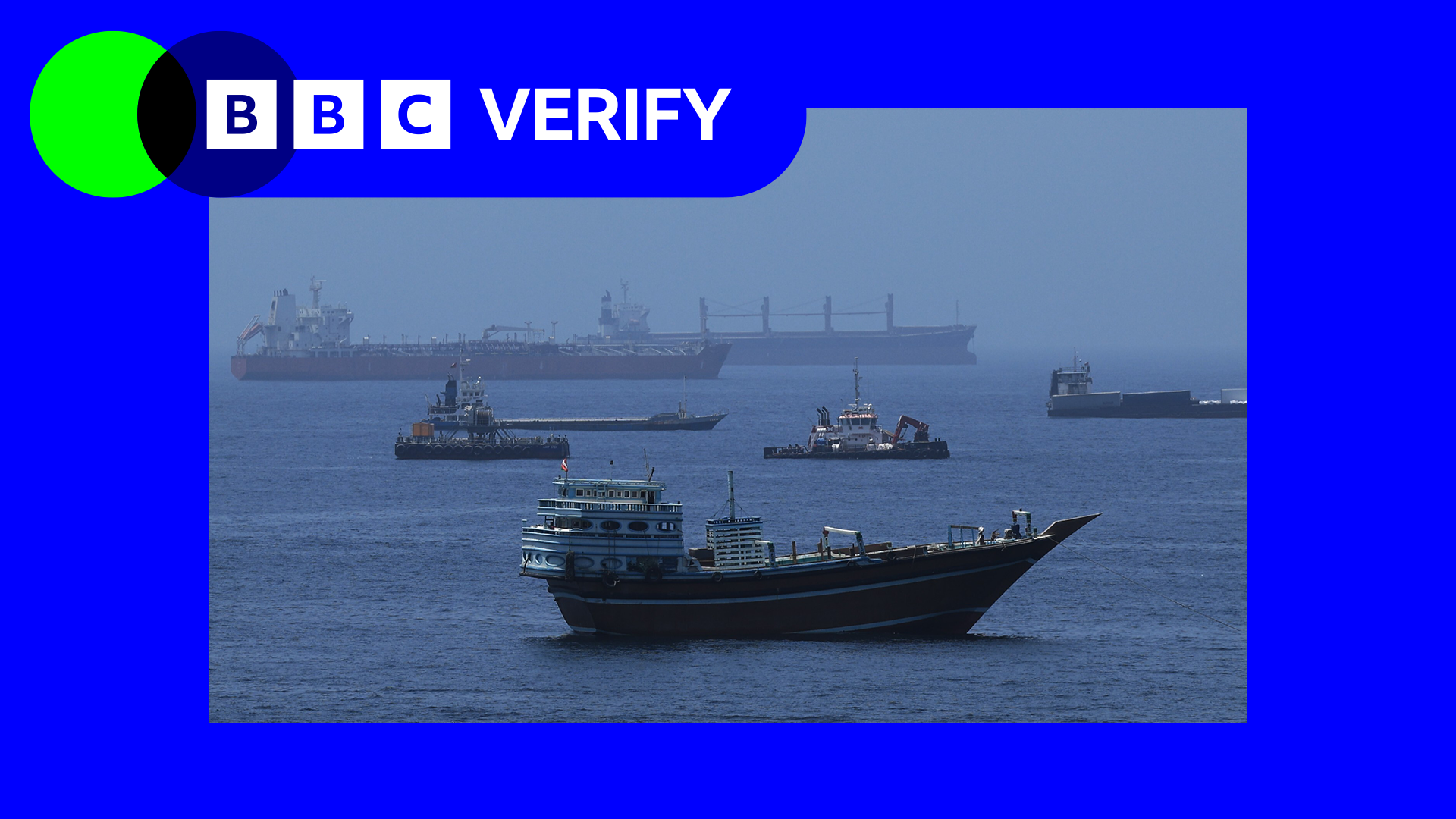
NEW YORK (RTW News) — The impact of the Iran war reaches beyond geopolitical concerns, even extending to children's toys. With oil shipments from the Middle East affected, plush toys such as Snuggle Glove and Wobblies are facing a price hike as manufacturers struggle with rising material costs.
Ricardo Venegas, CEO of Aleni Brands, based in Fort Lauderdale, Florida, reports that suppliers in China have already increased material prices by 10% to 15% since the conflict began, reflecting how deeply oil prices permeate the consumer goods market.
Who would have thought the price of a toy would have a direct relationship with oil? Venegas said. The toys in question are manufactured from polyester and acrylic, both derived from petroleum.
This price surge is not confined to toys alone; over 6,000 consumer products, from lipstick to athletic shoes, rely on petrochemicals, according to the U.S. Department of Energy. Experts warn of broader inflationary pressures if oil prices continue to rise.
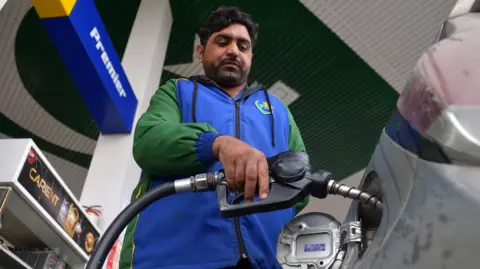
Travelers are also feeling the pinch, with costs for flights and travel services increasing due to skyrocketing jet fuel prices. Consumers may soon see hikes in the prices of essential goods that require transportation, as logistics costs escalate alongside fuel prices.
Crude oil's role in our economy extends far beyond its use as fuel. It transforms into chemicals and materials that are integral to many consumer products. Disruptions in oil supplies could lead to significant increases in production costs, affecting the price tags of many items in retail.
As economic uncertainty persists, businesses are grappling with how to manage rising costs while maintaining customer satisfaction. For instance, Lisa Lane, founder of Rinseroo, has increased her stock to secure better pricing, while others like David Navazio of Gentell anticipate raising prices on essential medical products significantly.
These shifts in pricing are indicative of a larger trend where consumer costs may continue to climb if oil prices remain high, potentially reshaping shopping habits for everyday Americans.
While Venegas plans to absorb some costs for now, he warns of inevitable price adjustments if the conflict prolongs, indicating that the effects of war reach into the hearts—and wallets—of everyday consumers.