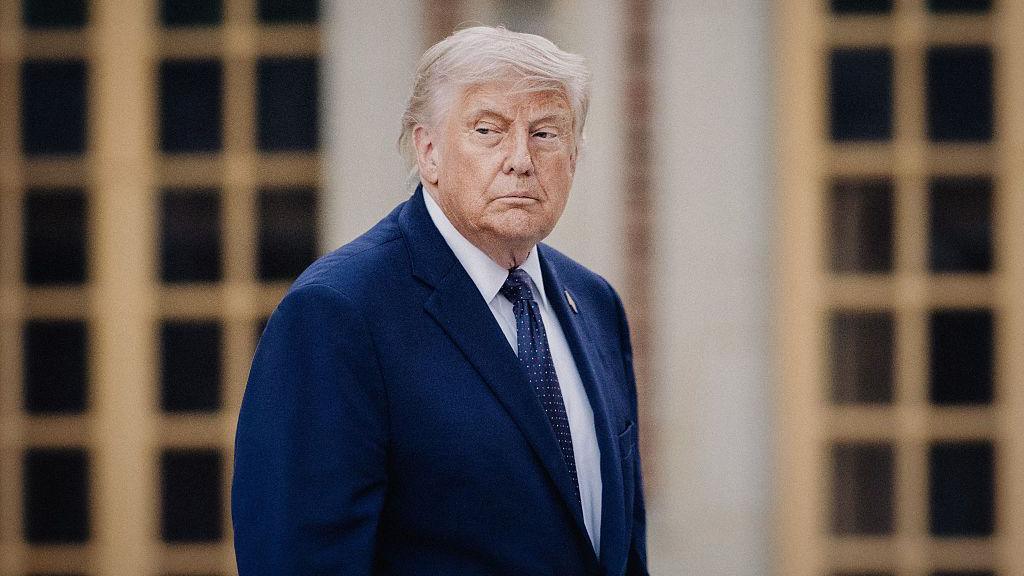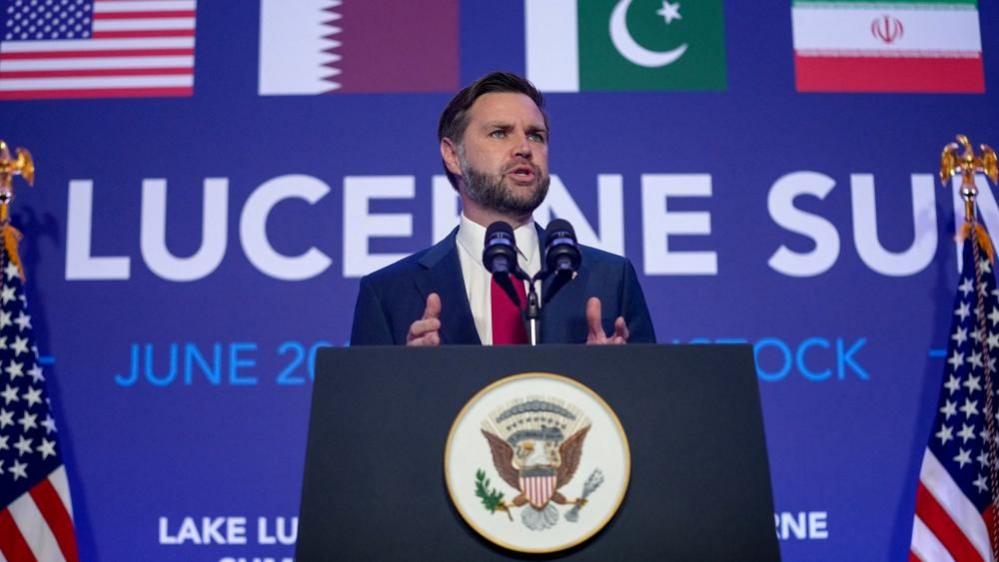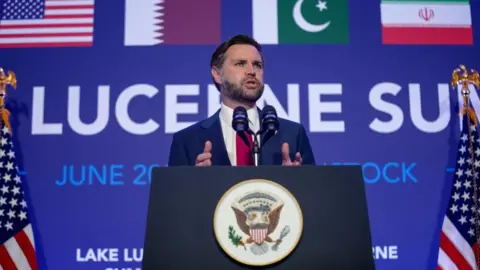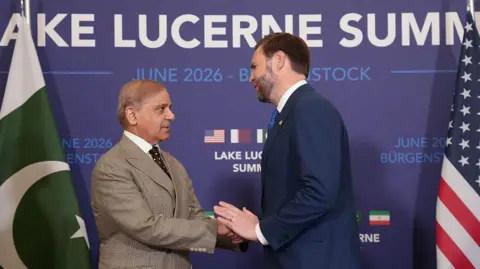
After a diplomatic team led by US Vice-President JD Vance tried, and failed, to reach a negotiated agreement to end the war with Iran, President Donald Trump had to decide his next move. That came on Sunday morning, in a series of Truth Social posts.
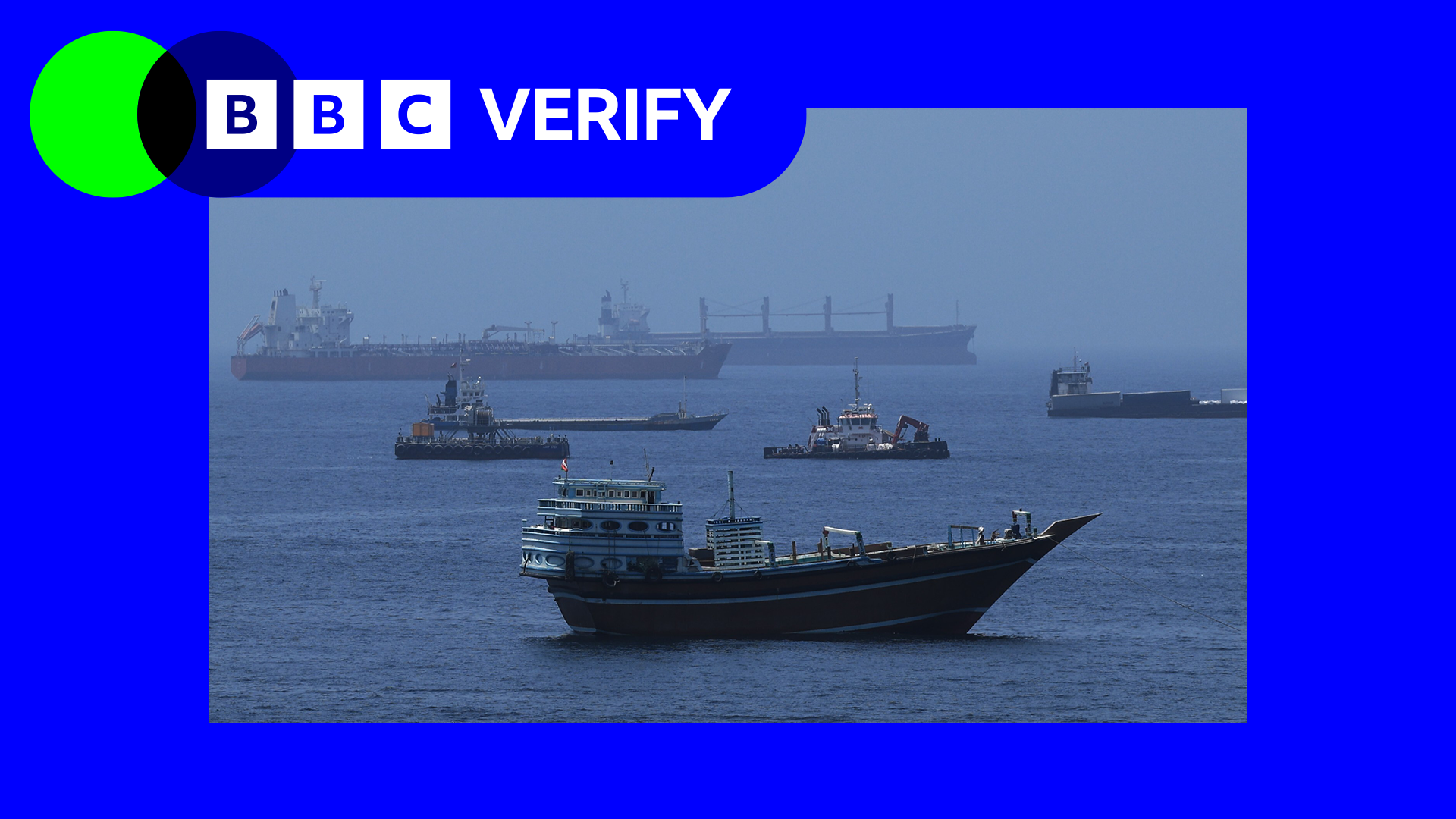
The US will impose a naval blockade of Iran, he wrote. 'No one who pays an illegal toll will have safe passage on the high seas,' he proclaimed. He also stated that the US would continue clearing mines from the Strait of Hormuz to ensure a safe passage for allied shipping. The US military, he added, was 'locked and loaded' and prepared to resume attacks against Iran at an 'appropriate moment.'
In his posts, Trump indicated that while progress had been made during the 20-hour negotiations in Islamabad, Iran would not comply with US demands to abandon its nuclear ambitions. This view contrasted with insights from a US official familiar with the negotiations, who listed several other unresolved issues, including Iran's control of the Strait of Hormuz and its support for regional proxies.
While Trump's statements lacked the apocalyptic tone of previous threats, they introduce new risks for American foreign policy. Questions arise about the implications of the blockade: Will mine-clearing operations increase risks for US naval vessels? How will the US enforce its blockade against foreign-flagged ships? Moreover, how will nations like China, which depend on Iranian oil, react?
The US military soon clarified that the blockade would extend to all ships traveling to or from Iranian ports, a shift from earlier rhetoric. Senator Mark Warner expressed skepticism about how a blockade would compel Iran to comply with US demands.
Republican Congressman Mike Turner characterized the blockade as a strategic move to drive negotiations, contending that it would bring allies and others together to resolve the situation. The American public, however, shows increasing disillusionment with the war, with a CBS poll indicating that most believe the conflict is not going well for the US.
Despite reported claims of victory, the current political landscape for the president remains precarious, especially with midterm elections approaching. Trump's assertion that Iran would eventually concede everything sought by the US is seen as a high-stakes gamble, with potential repercussions for his party at the polls.
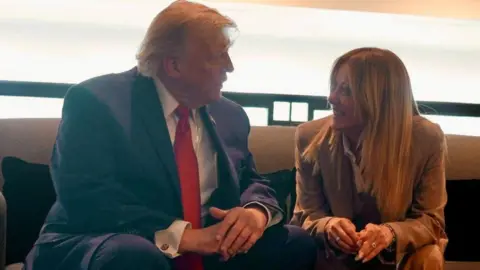
In the backdrop of these events, Trump’s weekend included a visit to a Miami UFC event, where he was seen engaging with prominent figures, highlighting the stark contrast between combat sports and the geopolitical battle in the Middle East, which stretches into its second month with uncertain outcomes.
The US will impose a naval blockade of Iran, he wrote. 'No one who pays an illegal toll will have safe passage on the high seas,' he proclaimed. He also stated that the US would continue clearing mines from the Strait of Hormuz to ensure a safe passage for allied shipping. The US military, he added, was 'locked and loaded' and prepared to resume attacks against Iran at an 'appropriate moment.'
In his posts, Trump indicated that while progress had been made during the 20-hour negotiations in Islamabad, Iran would not comply with US demands to abandon its nuclear ambitions. This view contrasted with insights from a US official familiar with the negotiations, who listed several other unresolved issues, including Iran's control of the Strait of Hormuz and its support for regional proxies.
While Trump's statements lacked the apocalyptic tone of previous threats, they introduce new risks for American foreign policy. Questions arise about the implications of the blockade: Will mine-clearing operations increase risks for US naval vessels? How will the US enforce its blockade against foreign-flagged ships? Moreover, how will nations like China, which depend on Iranian oil, react?
The US military soon clarified that the blockade would extend to all ships traveling to or from Iranian ports, a shift from earlier rhetoric. Senator Mark Warner expressed skepticism about how a blockade would compel Iran to comply with US demands.
Republican Congressman Mike Turner characterized the blockade as a strategic move to drive negotiations, contending that it would bring allies and others together to resolve the situation. The American public, however, shows increasing disillusionment with the war, with a CBS poll indicating that most believe the conflict is not going well for the US.
Despite reported claims of victory, the current political landscape for the president remains precarious, especially with midterm elections approaching. Trump's assertion that Iran would eventually concede everything sought by the US is seen as a high-stakes gamble, with potential repercussions for his party at the polls.
In the backdrop of these events, Trump’s weekend included a visit to a Miami UFC event, where he was seen engaging with prominent figures, highlighting the stark contrast between combat sports and the geopolitical battle in the Middle East, which stretches into its second month with uncertain outcomes.