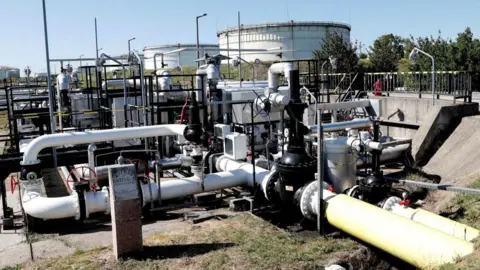
Ukraine has resumed pumping Russian oil through the Druzhba pipeline into Hungary and Slovakia, ending a prolonged deadlock over a crucial €90 billion (£78 billion) loan from the European Union (EU). This funding is viewed as essential support for Kyiv amid ongoing conflict with Russia.
Shortly after Ukraine's announcement, EU ambassadors in Brussels granted preliminary approval for the loan, along with a 20th package of sanctions against Russia, with formal sign-off expected soon.
Hungarian Prime Minister Viktor Orbán had previously put a veto on the loan package in February, demanding the resumption of oil supplies halted due to damage from a Russian attack. As repairs concluded, Ukraine communicated to Hungarian and Slovak officials that oil pumping had restarted.
Orbán had also indicated that Hungary would approve the loan once oil deliveries resumed from Ukraine. The political landscape in Hungary has shifted significantly following Orbán's recent electoral defeat, with new leadership prioritizing better relations with the EU.
Kaja Kallas, the EU's foreign policy chief, emphasized the necessity of the loan, stating it signals that Russia cannot outlast Ukraine in the ongoing conflict. Ukrainian officials estimate that two-thirds of the loan will fund defense efforts, with the remainder allocated for broader financial needs.
Following a lengthy hiatus, oil began flowing into Slovakia just after noon local time, marking the first supplies since late January. Hungarian energy company Mol anticipates receiving the first oil deliveries shortly.
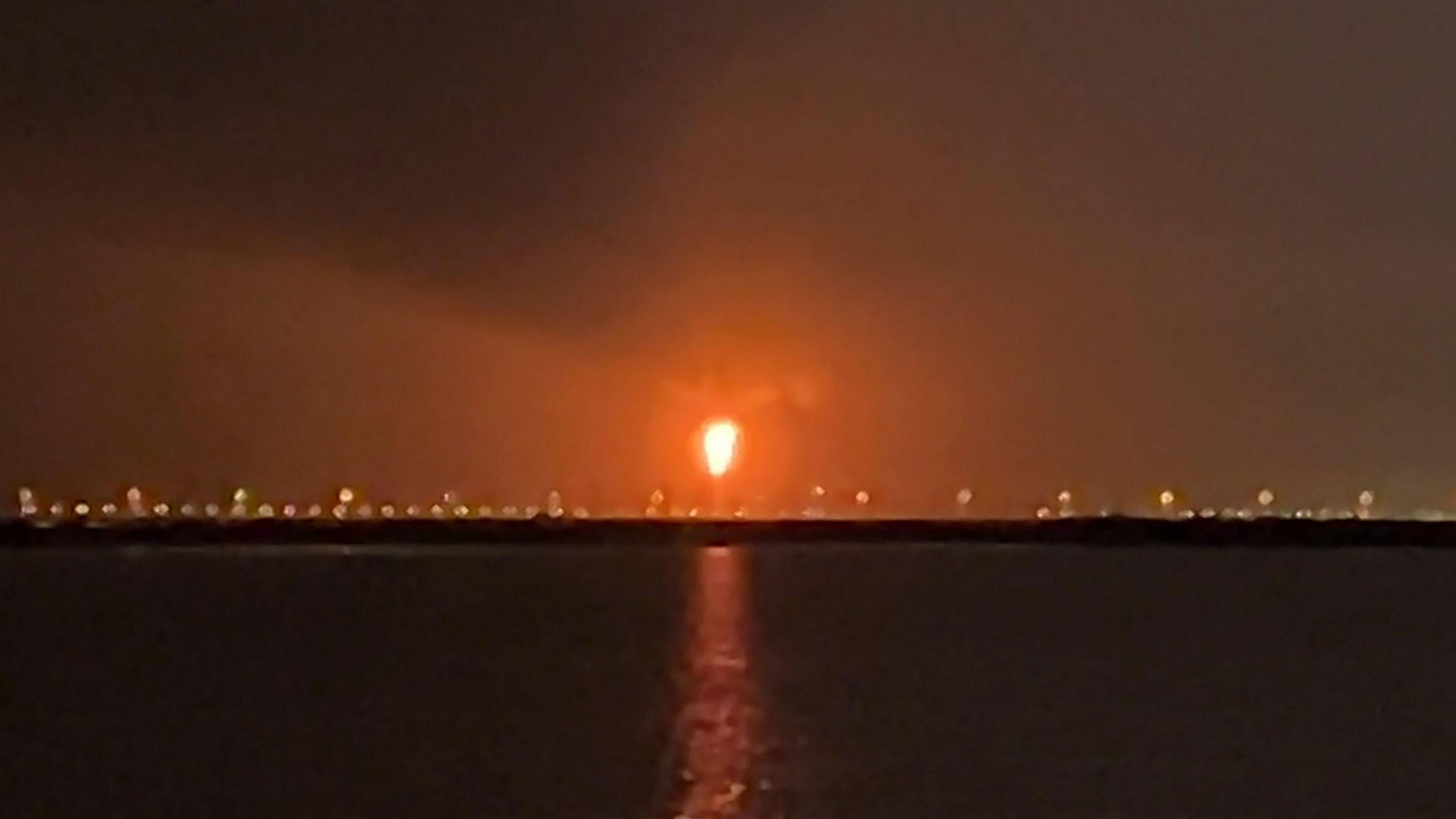
This agreement comes amid escalating tensions, as Ukraine has also targeted Russian oil facilities, and Russia has announced it would halt Kazakh oil flowing through a section of the Druzhba pipeline to Germany, citing technical reasons.
With these developments, both Ukraine and the EU are looking to solidify their commitments as the conflict continues to challenge stability in the region.