Groundbreaking Ruling: Hungary's Anti-LGBTQ Laws Found to Violate EU Values
The European Union's top court has ruled that Hungarian anti-LGBTQ laws violate EU rules and infringe its values of equality and minority rights.
The laws were brought in by Viktor Orbán's government in 2021 and banned so-called promotion of homosexuality or gender change to under-18s, arguing it violated child protection laws.
The European Court of Justice ruled that the Orbán reforms breached EU rules on multiple levels, significantly breaching the founding values of Article 2 of the EU Treaty, marking an unprecedented finding.
This ruling comes nine days after Hungarians voted to end Orbán's 16-year era of continuous rule.
The ECJ determined that the Hungarian law interfered with rights, including a ban on discrimination based on sex and sexual orientation, respect for private life, and freedom of expression.
Moreover, the law stigmatised and marginalised those who were transgender or not heterosexual, linking them to paedophilia, the court found.
The Hungarian law was deemed contrary to the identity of the Union as a legal order within a pluralist society.
Legal expert John Morijn emphasized the significance of the symbolic victory, stating it affirms that the rights of a group in society cannot be negotiated away.
Despite the implications of the ruling, Orbán's Fidesz party previously pushed through the legislation via a supermajority in parliament. A further amendment banning public LGBTQ events, such as Budapest's Pride march, met resistance as the event still occurred, leading to prosecutions against city officials.
The European Commission highlighted that addressing the anti-LGBTQ law will be a significant issue with Hungary's new government.
Paula Pinho, spokeswoman for the Commission, asserted that it is up to the Hungarian authorities to comply with the ruling to resolve the situation.
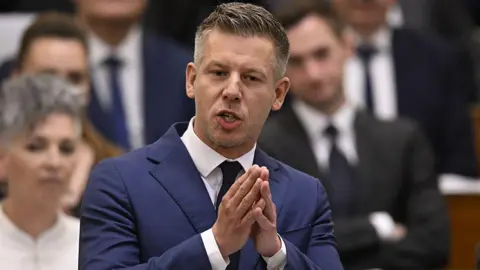
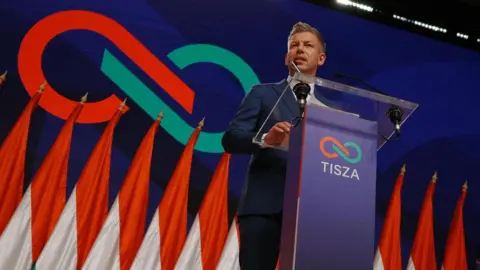
Newly elected Péter Magyar's Tisza party has pledged to reverse these measures, indicating a pro-European approach aimed at restoring Hungary's relationship with the EU.
Katja Štefanec Gärtner of LGBTQ rights group Ilga-Europe urged the European Commission to ensure the law is scrapped promptly, stating it should be a top priority for Magyar's administration.
Further legal implications from the ECJ ruling may affect other EU member states, as it reinforces accountability towards upholding EU law's spirit alongside its letter.