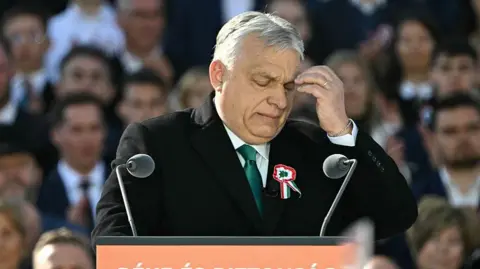
No serving leader in the European Union has led their country for as long as Viktor Orbán. But after 16 years he faces his strongest challenge yet in 12 April elections, where most opinion polls suggest he is heading for defeat at the hands of former party insider, Péter Magyar.
Since 2010, Orbán has transformed Hungary into what the European Parliament has denounced as a hybrid regime of electoral autocracy. He appears uncertain how to describe his own invention, having tried terms like illiberal democracy and Christian liberty. His allies within the U.S. Maga movement have labeled it as national conservatism.
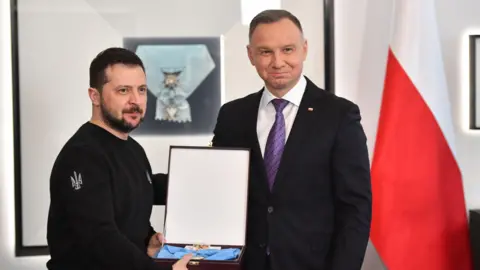
Orbán has repeatedly clashed with fellow EU leaders over the war in Ukraine, blocking vital funding for Kyiv, which he accuses of attempting to drag Hungary into a conflict with Russia.
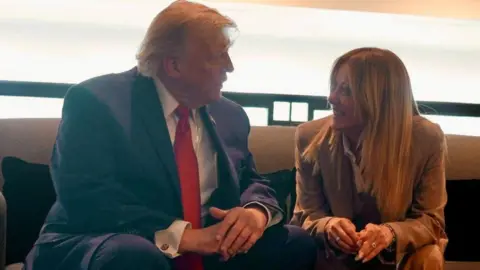
Despite tensions, he continues to enjoy strong international support, being regarded as Vladimir Putin's closest partner in the EU and receiving endorsements from key political figures such as former U.S. President Donald Trump.
However, his paternalistic approach and strongman image are now questioned as surveys indicate that many Hungarians are growing weary of his administration, especially amid corruption allegations swirling around his party.
As he gears up for elections, Orbán's leadership style has evolved, from charismatic speeches to accusations of maintaining a self-serving power structure. His ability to secure financial stability and EU funds has been overshadowed by public sentiment regarding corruption and transparency.
With the current geopolitical climate diverting focus and shaping public opinions, Orbán's future remains uncertain. The April elections could determine if he will continue to lead Hungary or face the downfall of his long-held reign.