The U.S. Congress is taking significant steps toward lifting a federal mining ban that could expose Minnesota’s Boundary Waters Canoe Area Wilderness to mining operations. The resolution, spearheaded by Republican lawmakers, has now reached President Donald Trump's desk for approval.
Last month, House Republicans passed the resolution, emphasizing the economic benefits of mining while disregarding conservationists’ warnings about potential environmental repercussions. The Senate echoed this sentiment, voting narrowly to send the resolution to Trump.
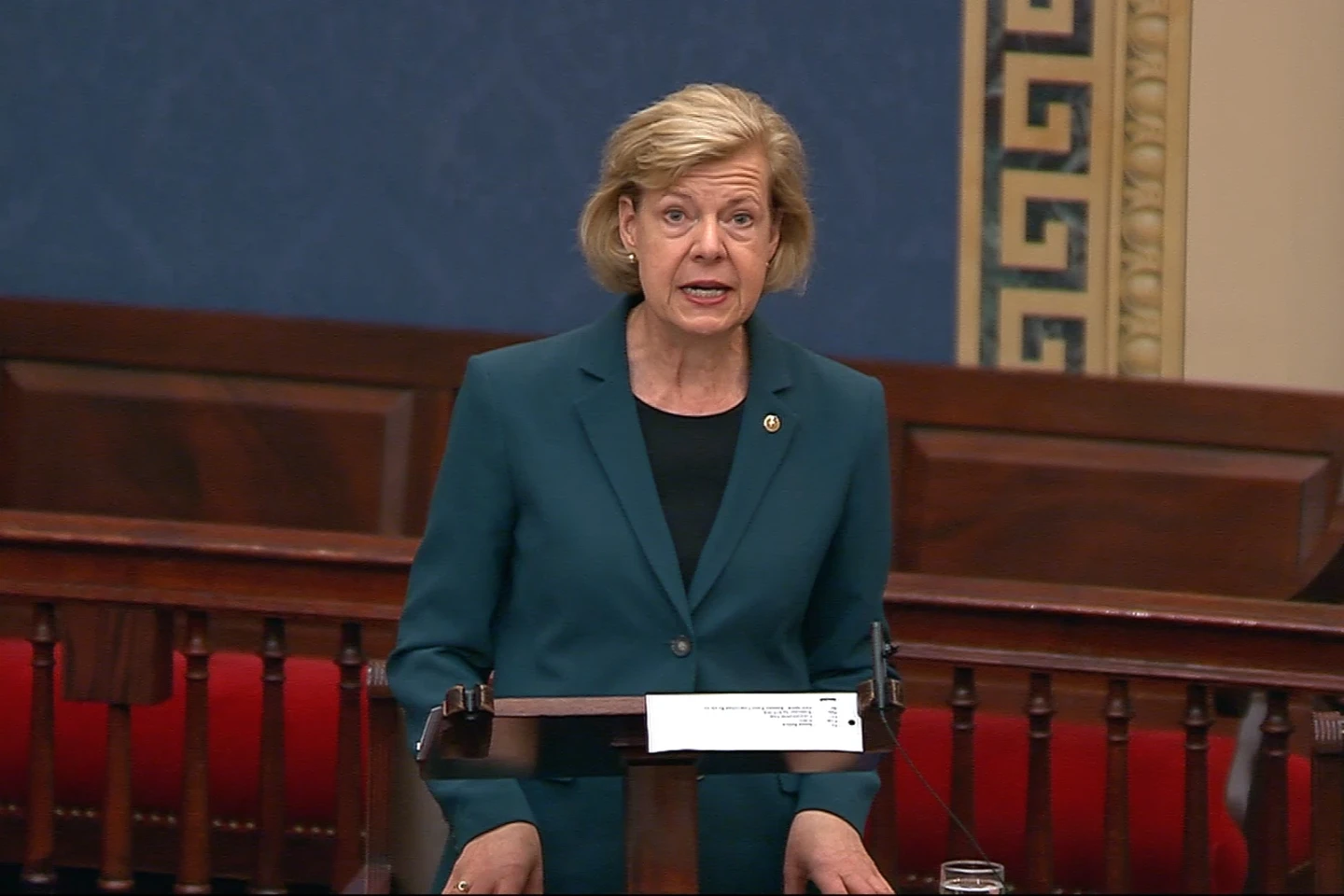
Senators from Minnesota, including Amy Klobuchar and Tina Smith, have voiced their concerns. Klobuchar, who has previously supported certain mining activities, described the Boundary Waters as a vital element of Minnesota’s identity, a sentiment echoed by Smith, who cautioned that this could set a dangerous precedent for public land protections.
Environmental advocates argue that mining operations could lead to devastating pollution that threatens the delicate ecosystems within the wilderness area. A coalition led by the Friends of the Boundary Waters has mobilized protests, urging lawmakers to protect the region.
Twin Metals Minnesota LLC, the company that would potentially lead the mining operations, argues that the project would bring new jobs and revenue to struggling communities. However, they face regulatory hurdles and strong opposition from environmentalists. The company has also been embroiled in legal battles over its mineral leases.
While proponents of the resolution advocate for increased domestic mineral production, critics maintain that the risks to the wilderness and the cultural heritage of Indigenous communities outweigh economic arguments. As the conversation continues, the future of the Boundary Waters hangs in the balance, caught between political interests and environmental conservation.