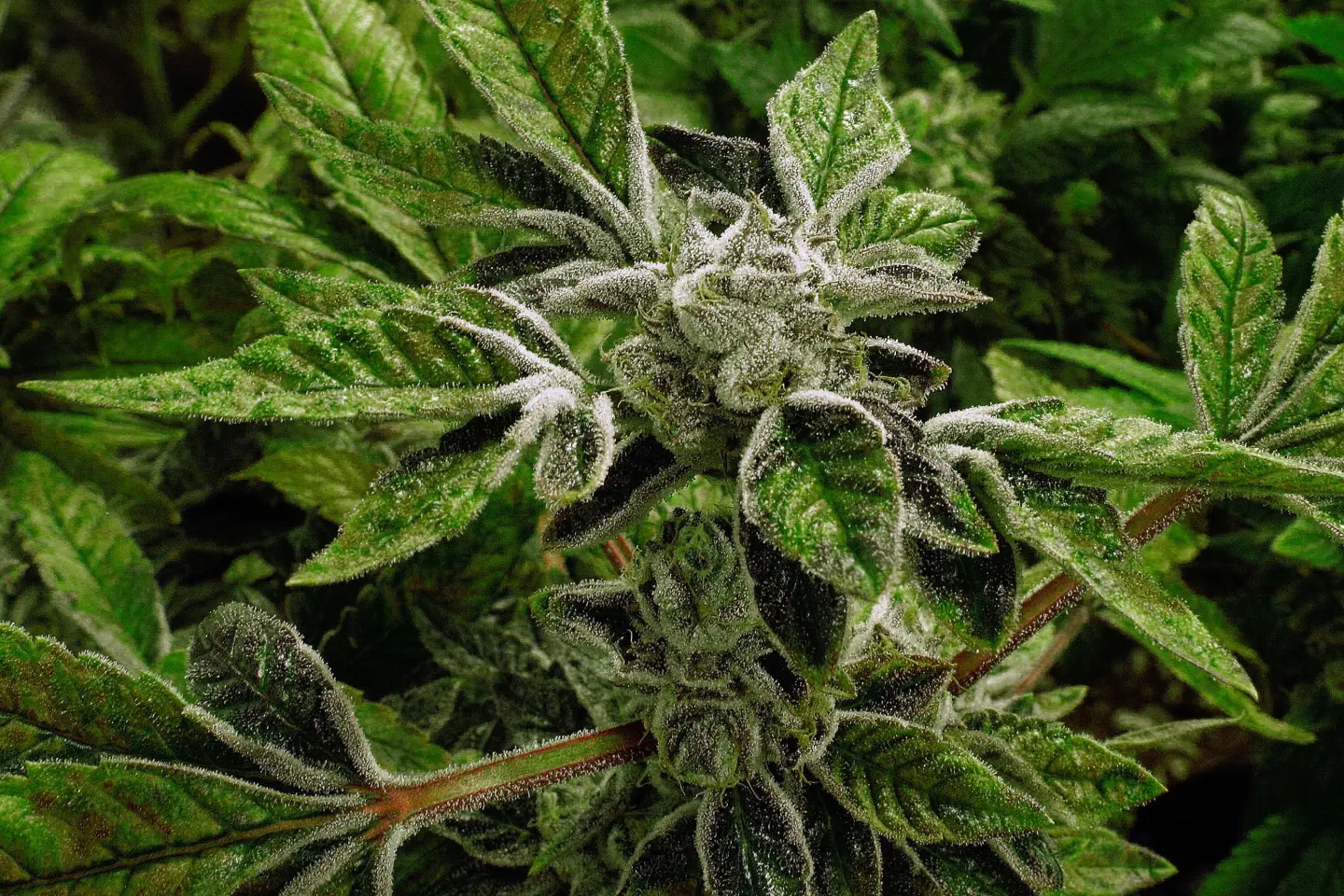
WASHINGTON (RTW News) — The acting attorney general under President Donald Trump has initiated a significant policy change by signing an order to reclassify state-licensed medical marijuana as a less dangerous drug. This shift aims to ease federal restrictions and enhance access for patients needing alternative medical treatments.
Todd Blanche’s order will transition medical marijuana from Schedule I, which is reserved for drugs considered to have no accepted medical use and a high potential for abuse, to Schedule III. While this does not legalize marijuana for general use, it enables important changes in research regulations and provides tax benefits for licensed medical marijuana providers.
Blanche emphasized in a statement that the Department of Justice is fulfilling President Trump's commitment to broaden access to medical treatments, thus paving the way for further study on the safety and efficacy of medical cannabis, ultimately benefiting both patients and healthcare providers.
This decision follows previous frustrations expressed by Trump regarding the pace of marijuana reclassification. The president had previously instructed his administration to expedite this process, signaling an ongoing evolution in U.S. drug policy.
Blanche commented that this order legitimizes medical marijuana programs established across 40 states, and sets up a quicker registration system for medical marijuana producers and distributors with the Drug Enforcement Administration.
The order also clarifies that researchers working with state-approved marijuana products will not face penalties, marking a progressive shift toward acceptance and understanding of cannabis in medical science.
“Today, the vast majority of states maintain comprehensive licensing frameworks governing cultivation, processing, distribution, and dispensing of marijuana for medical purposes,” Blanche said. “They demonstrate a sustained capacity to achieve public-interest objectives, including protecting public health and safety.”
Despite this policy change, marijuana products outside the state medical marijuana programs will remain classified under Schedule I. Additionally, the administration is set to initiate a new administrative hearing process in June aimed at considering broader rescheduling of marijuana.
While proponents hail the move as a significant victory, it remains to be seen how it will impact states that run both recreational and medical marijuana systems. Opposition from some lawmakers continues, with over 20 Republican senators advocating for the maintenance of existing restrictions, as the administration balances its focus on combating illicit drugs.