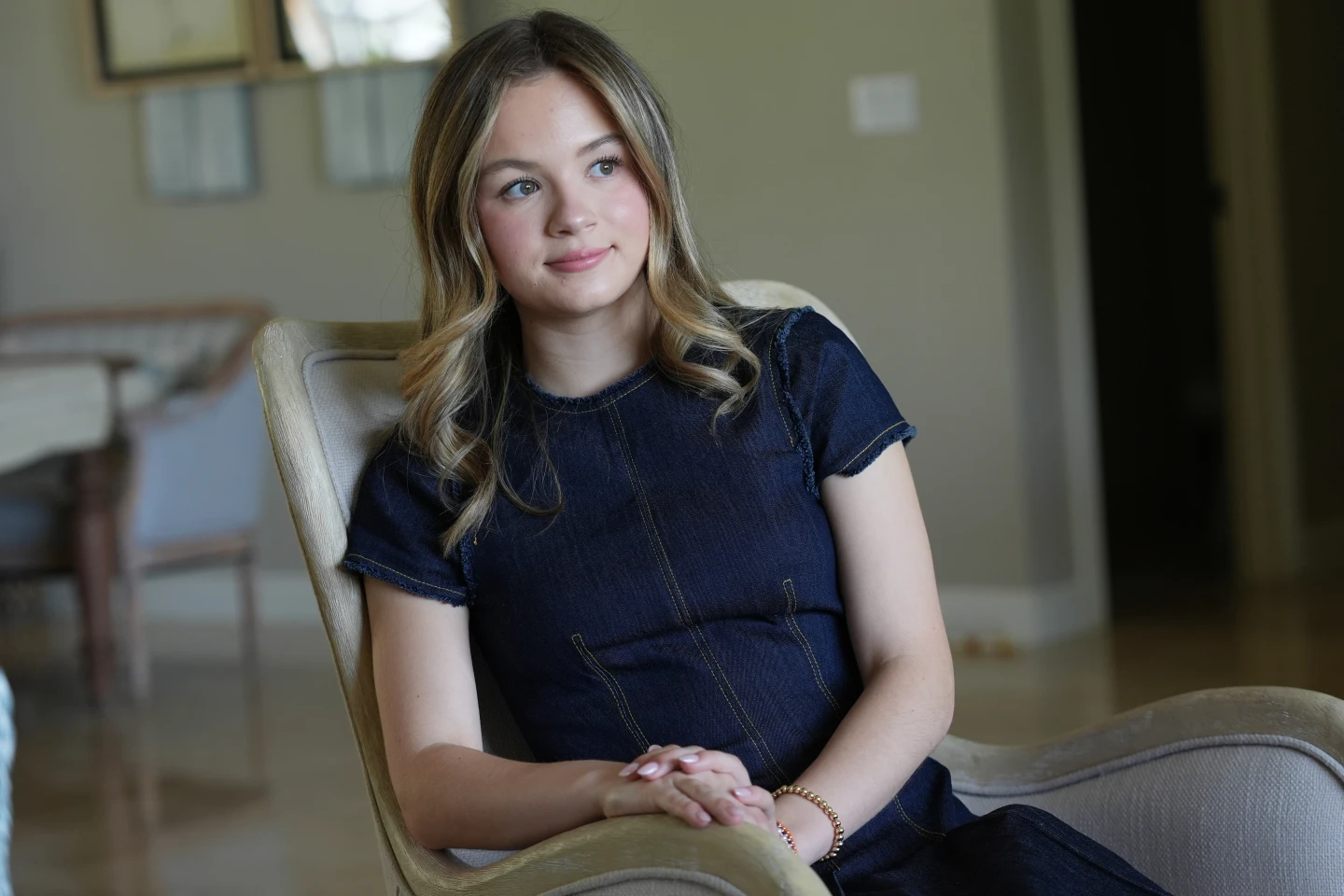
WASHINGTON (RTW) — President Donald Trump sparked controversy following his remarks belittling California Governor Gavin Newsom, claiming he was 'stupid' and 'mentally disabled' due to his dyslexia. The comments, made during a political feud as Newsom is rumored to run for the presidency in 2028, resonated painfully with many individuals, including 18-year-old Lauryn Muller, who discussed her own struggle with dyslexia.
For Muller, seeing Trump's disparagement felt personal, as she has worked to overcome her learning challenges. 'We've had to overcome so many deficits, and for someone to, on a national stage, say, yeah, they will never be like us — that definitely came as an emotional sting to me,' she expressed. This incident, which aligned with Trump's history of mocking opponents and those with disabilities, reignited discussions around stigmas associated with dyslexia, which affects about 20% of the world's population.
Advocates for those with dyslexia expressed their disappointment with Trump's statements, including Marilyn Muller, Lauryn's mother, a literacy advocate, who criticized the outdated belief that ties intelligence to learning disabilities. 'It was probably one of the more ignorant comments I have ever heard come from his mouth,' she noted.
Dyslexia often emerges in childhood and affects the ability to read due to a disconnection in the brain's language processing pathways. Trump’s comments not only undermined those who cope with dyslexia but also challenged the greater understanding and acceptance of learning differences in society.
Neuroscientists pointed out that dyslexia is not related to a person's IQ and emphasized the many successful individuals who have thrived with dyslexia, dispelling myths that equate the condition with diminished capability. Throughout the years, prominent figures such as Governor Newsom have shared their own experiences with dyslexia to promote awareness and acceptance, contrasting sharply with Trump’s derogatory remarks.
Even amid his detractors, Trump's comments have sadly resonated with some followers, underscoring the ongoing challenge of changing perceptions around dyslexia. Advocates worry that stigmatizing comments like Trump's may contribute to a culture where individuals feel discouraged or ashamed of their learning differences.
In the political climate, bipartisan support for individuals with dyslexia has been noted, but the response to Trump’s statements has shown a lack of pushback from Republican leaders, raising concerns over the future of advocacy efforts for those with learning disabilities.
In conclusion, Trump's comments serve as a stark reminder of the work still needed to foster inclusive dialogue around dyslexia and learning differences. As advocates continue to fight against stigma and promote understanding, the responsibility remains on influential figures to set a higher standard in how disabilities are discussed in public forums.