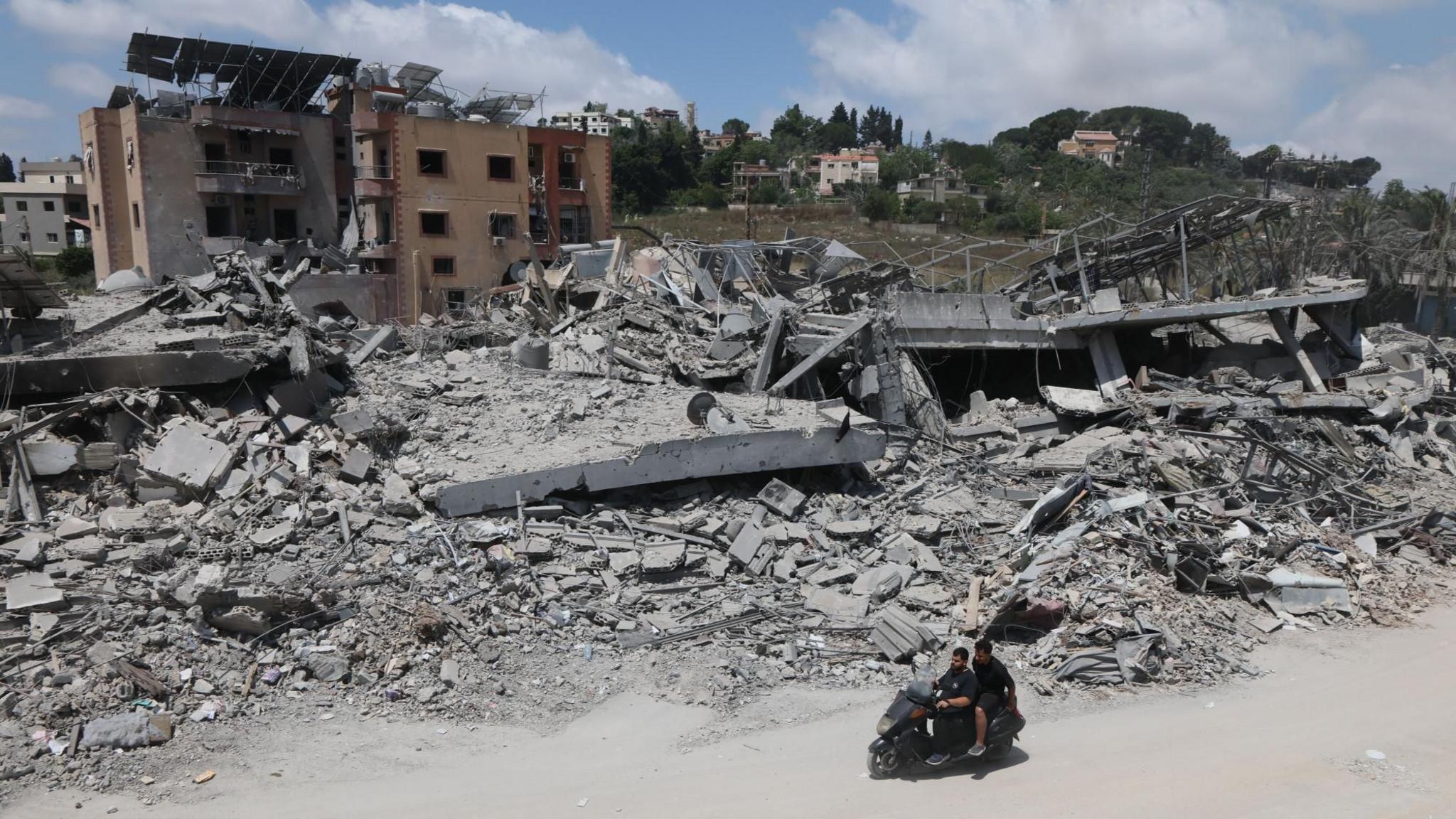
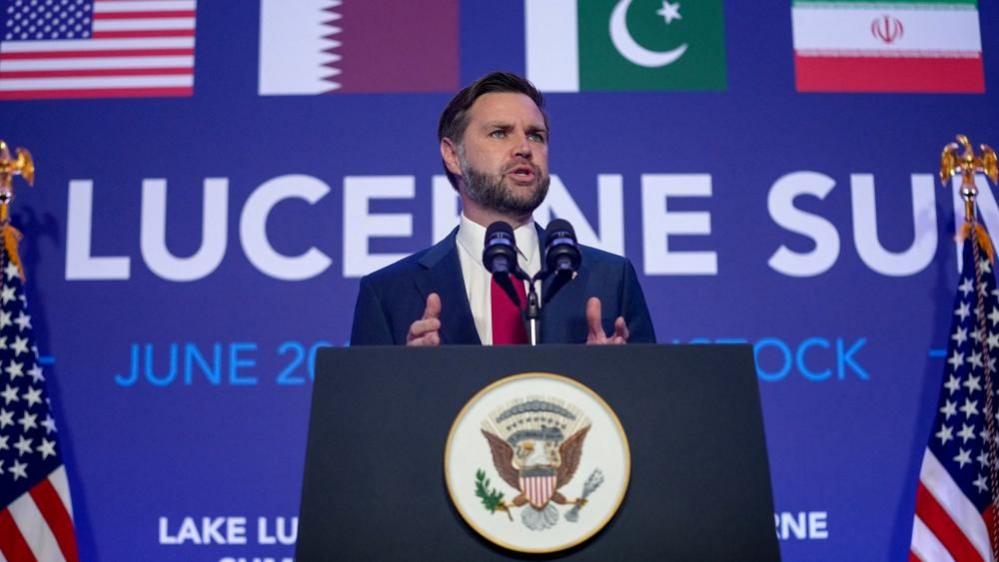
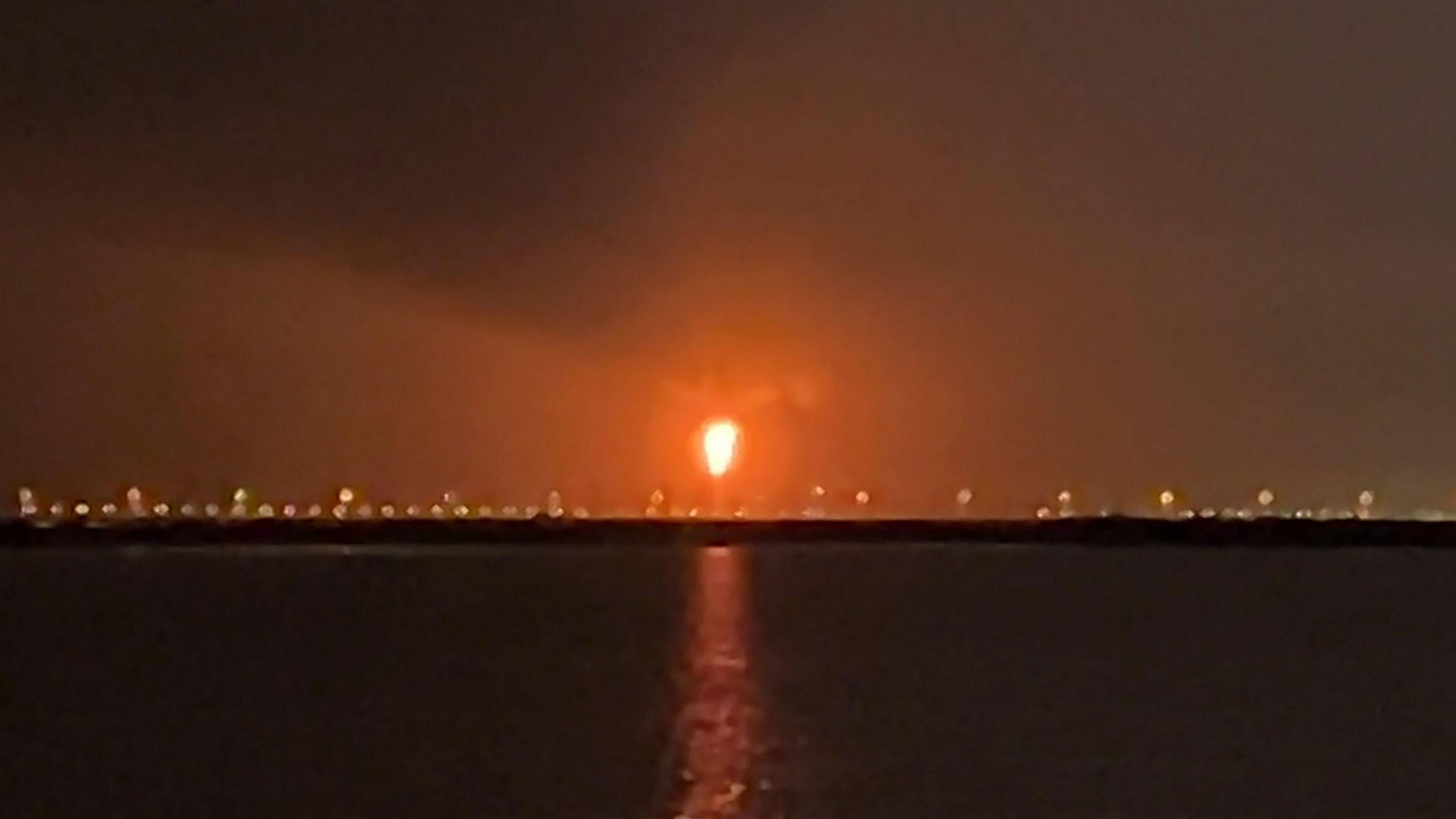
President Donald Trump has formally signed a 14‑point memorandum of understanding (MoU) with Iran after the hostilities that erupted on 28 February 2026. The agreement lays the groundwork for talks on Iran’s nuclear programme and a wide‑scale lifting of sanctions, but its wording leaves many unanswered questions – notably, it does not spell out how Iran’s stockpile of enriched uranium will be handled, nor does it address the country’s ballistic‑missile ambitions.
Weapons
The 2015 Joint Comprehensive Plan of Action (JCPOA) limited Iran to 300 kg of low‑enriched uranium and capped enrichment at 3.67% for 15 years – enough for power reactors but far from weapons‑grade. The JCPOA also gave the IAEA full access to Iran’s nuclear facilities, and it was viewed as a comprehensive, two‑year negotiation. Since the US withdrew in 2018, Iran’s nuclear programme has accelerated. By the time of the conflict, Tehran possessed roughly 440 kg of uranium enriched to 60%, a level that can be rapidly pushed to the 90% mark required for weapons.
The MoU reaffirms that Iran will not seek or develop nuclear weapons, but the text contains no details on how the enriched material will be stored, re‑purposed or destroyed. Washington says the MoU sets a minimum standard of “destruction” of the enriched stockpile, yet no operational plan is included.
Similarly, the deal makes no mention of Iran’s ballistic‑missile programmes – a point raised by President Trump in a series of statements during the war.
Money
The JCPOA did not pay Iran for anything; it merely lifted sanctions and unlocked frozen assets, giving Tehran access to between $50 bn to $125 bn, the latter representing the total of its unfrozen bank holdings. By contrast, the MoU signals that the United States will “terminate all types of sanctions” on a negotiated schedule. It even allows immediate waivers for the export of Iranian crude and associated services, placing Iran in a comparatively better economic position than at the war’s start.
The memorandum also allocates a fund of at least $300 bn to rebuild and develop Iran, funded by the United States and “regional partners”. No conditions are attached to these funds.
Ships
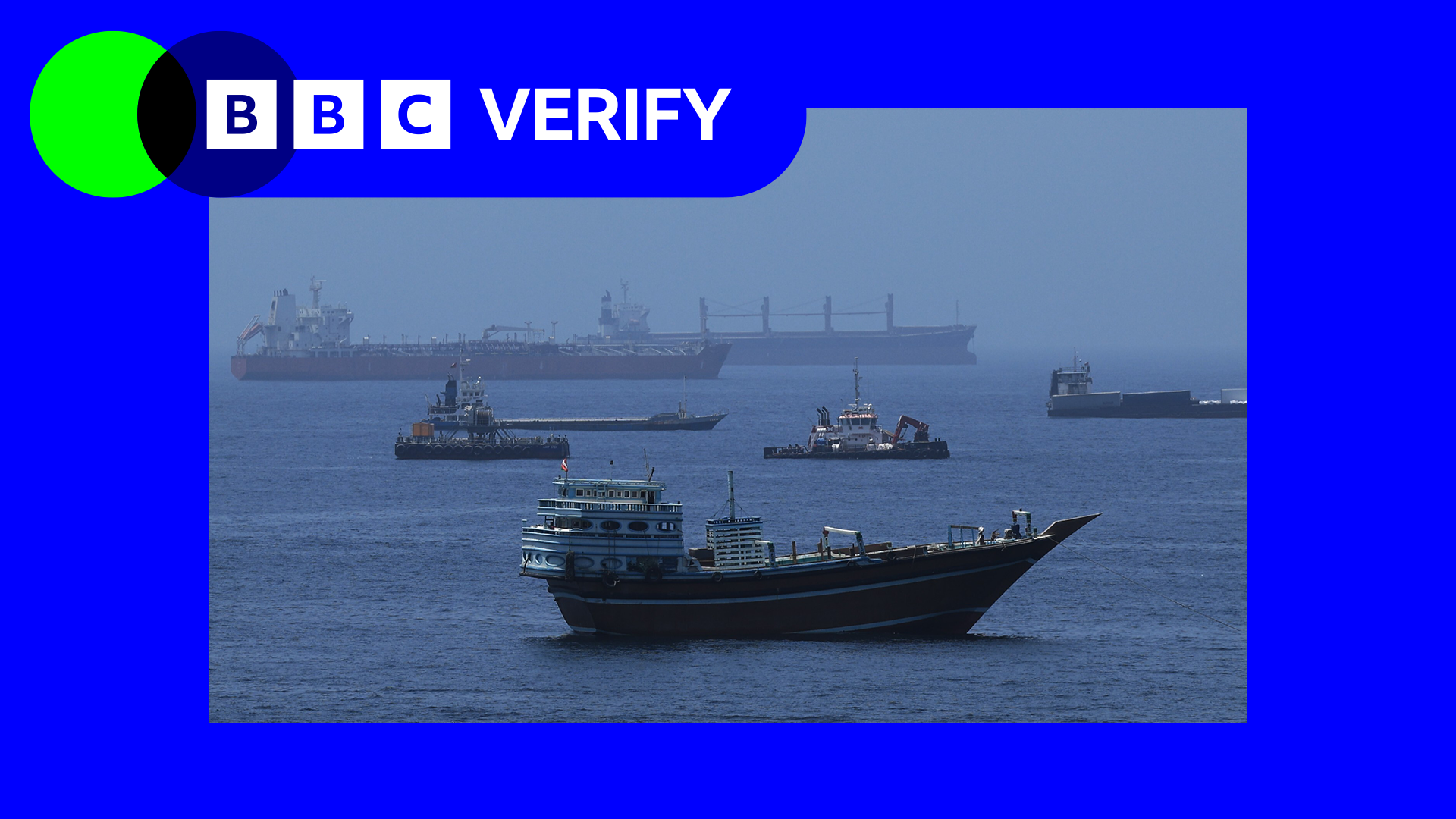
Pre‑war, merchant vessels routinely passed through the Strait of Hormuz—about a hundred per day in 2025. The war and a US blockade have collapsed this figure to an average of six daily crossings, a sharp drop that underscores the height of maritime tensions. The MoU pledges a full lift of the naval blockade within 30 days and limits safe‑transit guarantees to 60 days, after which Iran will negotiate a new “future administration and maritime services” framework with Oman.
It also notes Iran’s move to set up a Persian Gulf Strait Authority, signalling potential fees for passage that the MoU, unfortunately, does not address.
Source: BBC Verify – “Weapons, money and ships: How is this Iran deal different from others?”