US Vice‑President Vance Signals Iran Will Allow Nuclear Inspectors Back
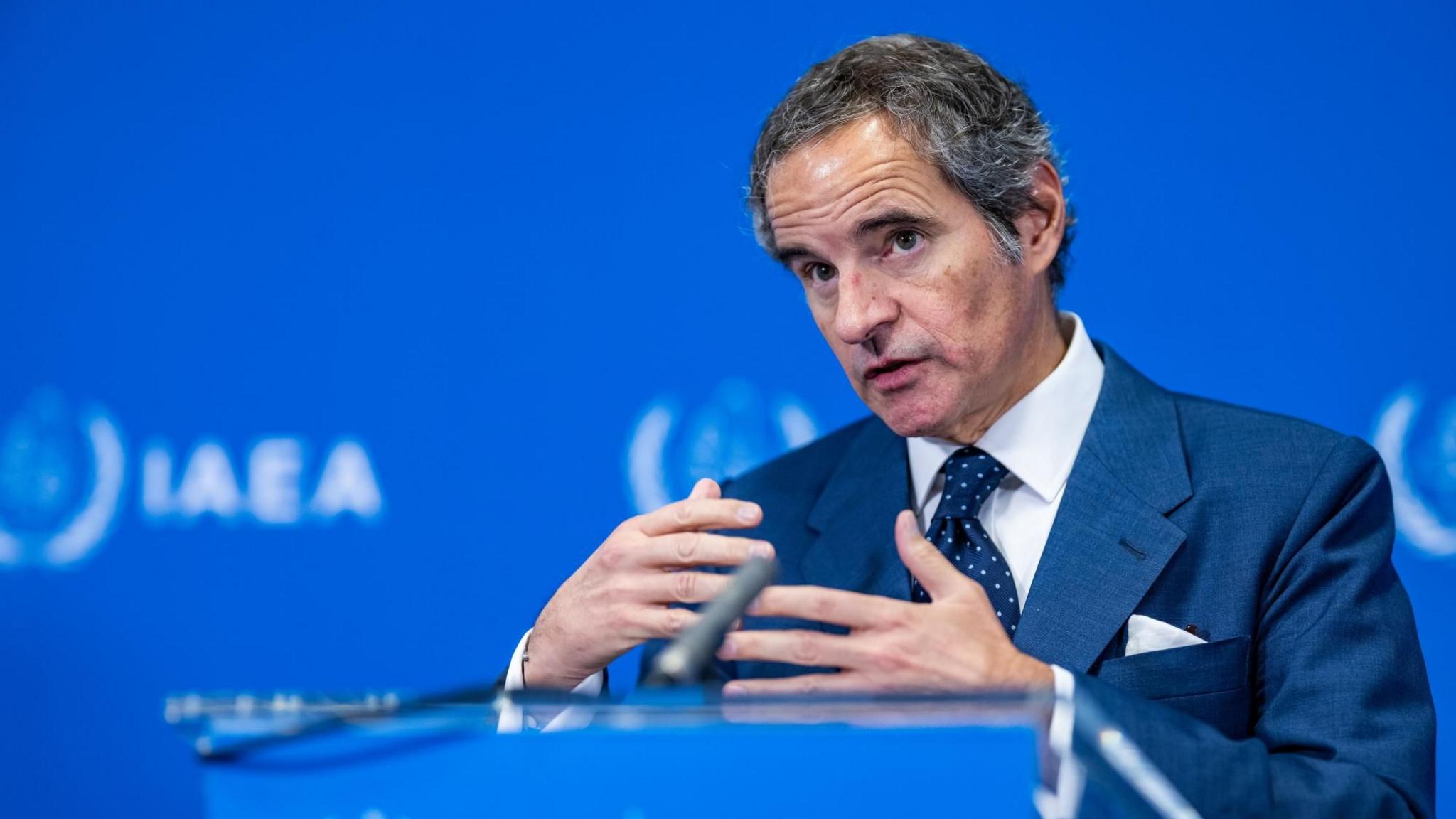
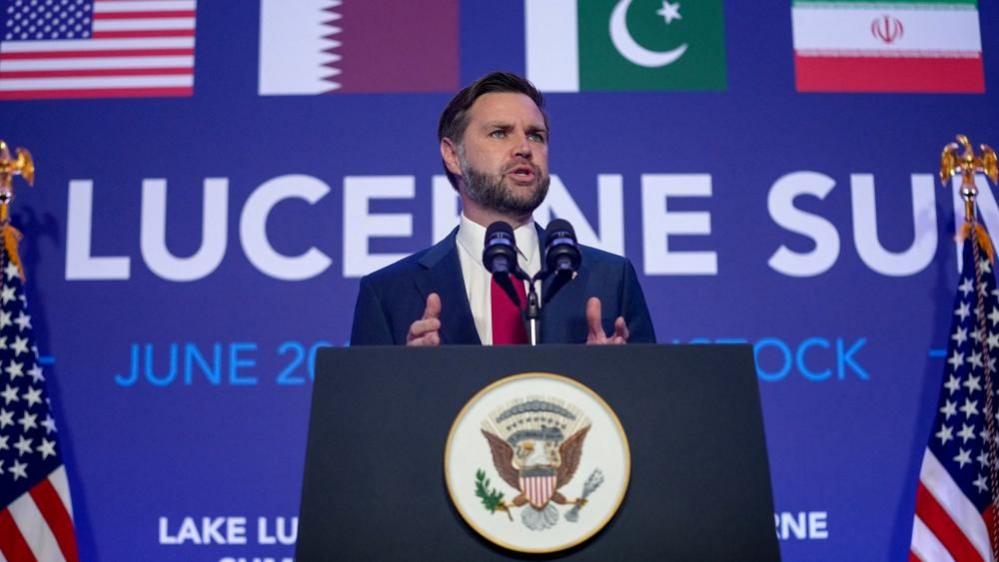
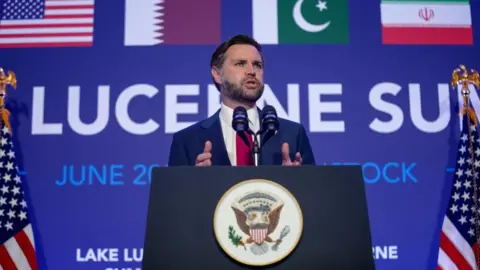
In a televised briefing in Swiss calm, JD Vance told reporters that Tehran has agreed to restore access for the International Atomic Energy Agency to inspect its nuclear sites, a move that could signal an end to the current impasse on the nuclear issue.
The announcement follows a first round of talks that reached a memorandum of understanding signed last week. The MOU contains a 14‑point plan, including the reopening of the Strait of Hormuz and a de‑confliction cell for the Lebanon front. Vance said the United States and Iran are on a roadmap that could deliver a final agreement within 60 days.
He also highlighted that discussions with United Nations inspectors could begin “as soon as today,” marking a milestone he termed a “first step in permanently ending a nuclear weapons programme in Iran.”
Iran has long maintained that its nuclear programme is purely civilian, but the IAEA and many nations remain skeptical, especially after Tehran’s suspension of inspector visits following the June 2025 conflict. The new agreement attempts to reverse that trend and revive the inspection regime that was in place under the JCPOA of 2015.
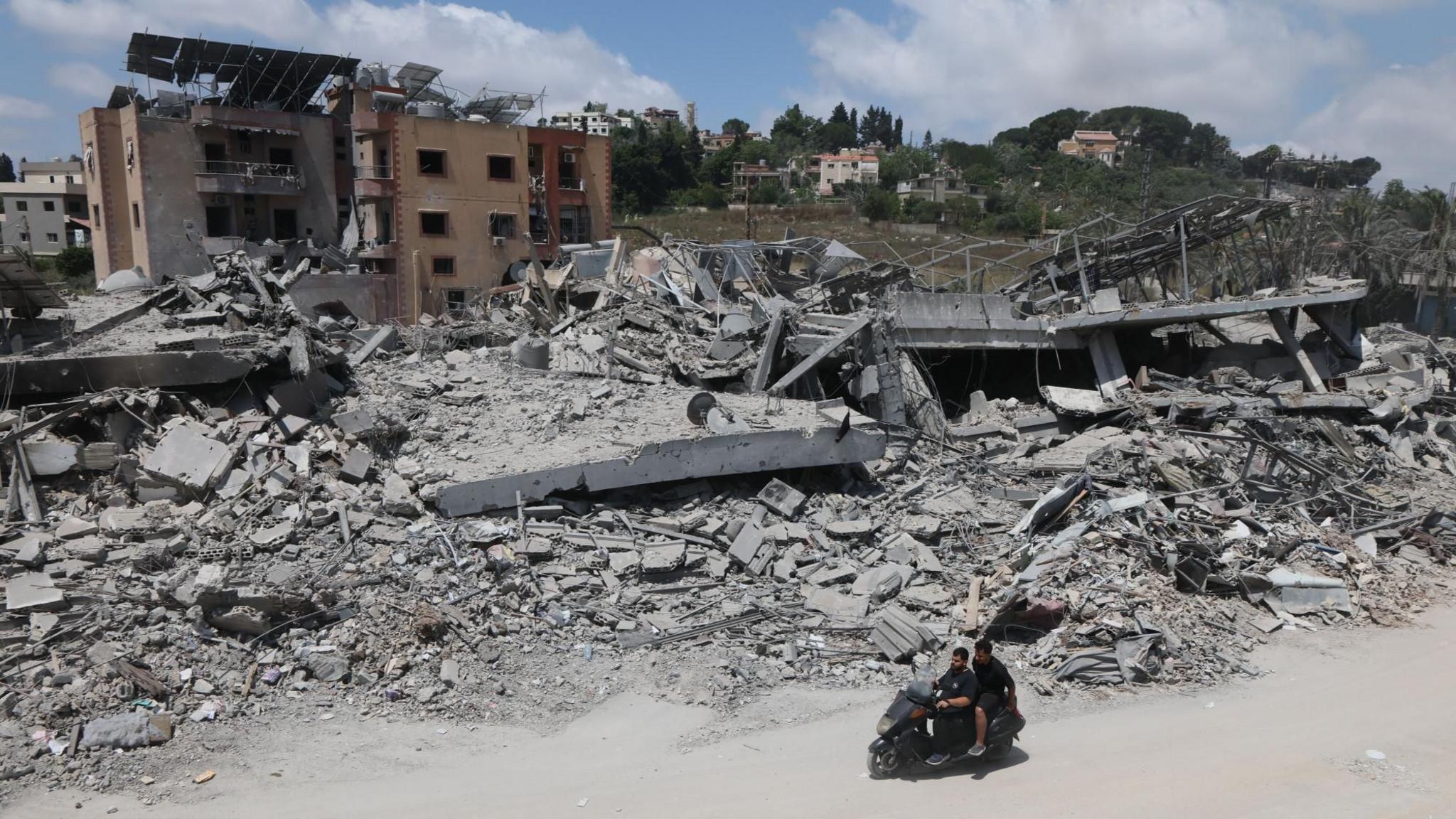
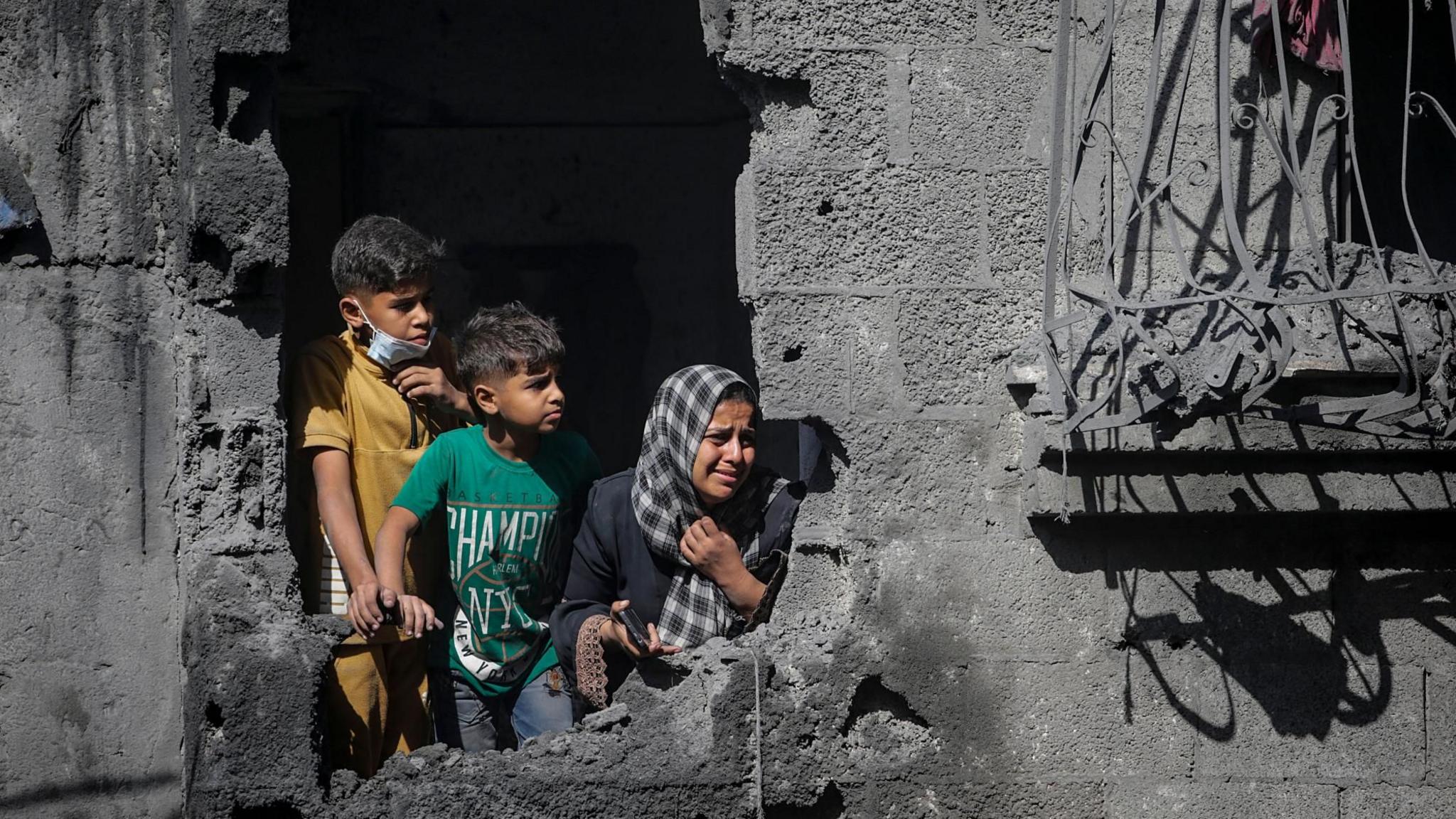
The Washington‑Tehran roadmap now also calls for a broader ceasefire on “all fronts,” including the volatile Lebanese front where Israeli air strikes have left victims on both sides. The creation of a de‑confliction cell—led by Qatar and Pakistan—has been presented as a way to prevent further fighting in that region.
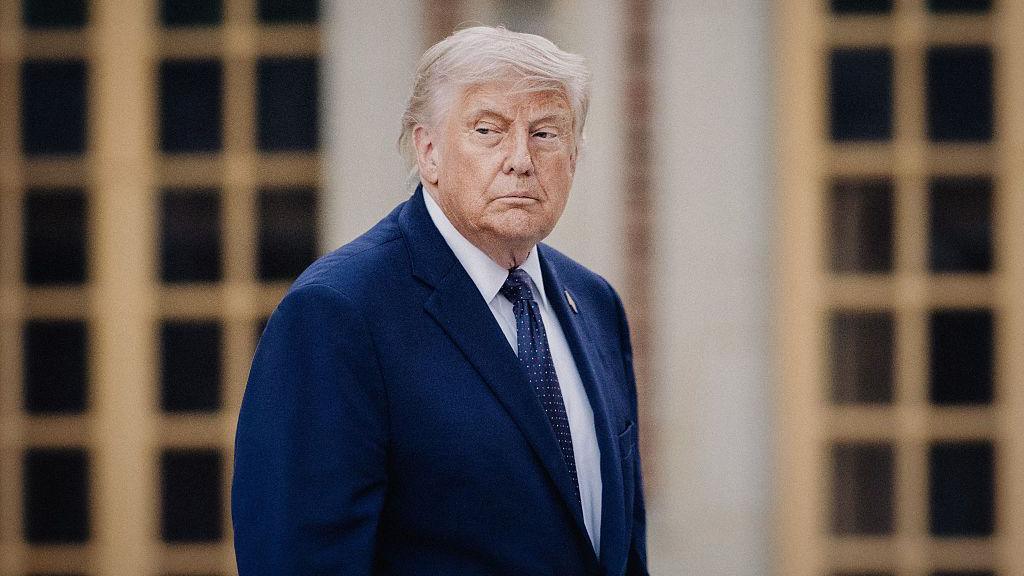
The United States, following a historic withdrawal by President Trump in 2018, has returned to the diplomatic table with a national interest in shaping regional stability. Vance’s comments come at a time when the U.S. is keen to restart a nuclear framework that can restore access to all Iranian nuclear facilities while also resolving broader regional disputes such as the Israeli–Lebanese tensions and maritime security in the Gulf.